
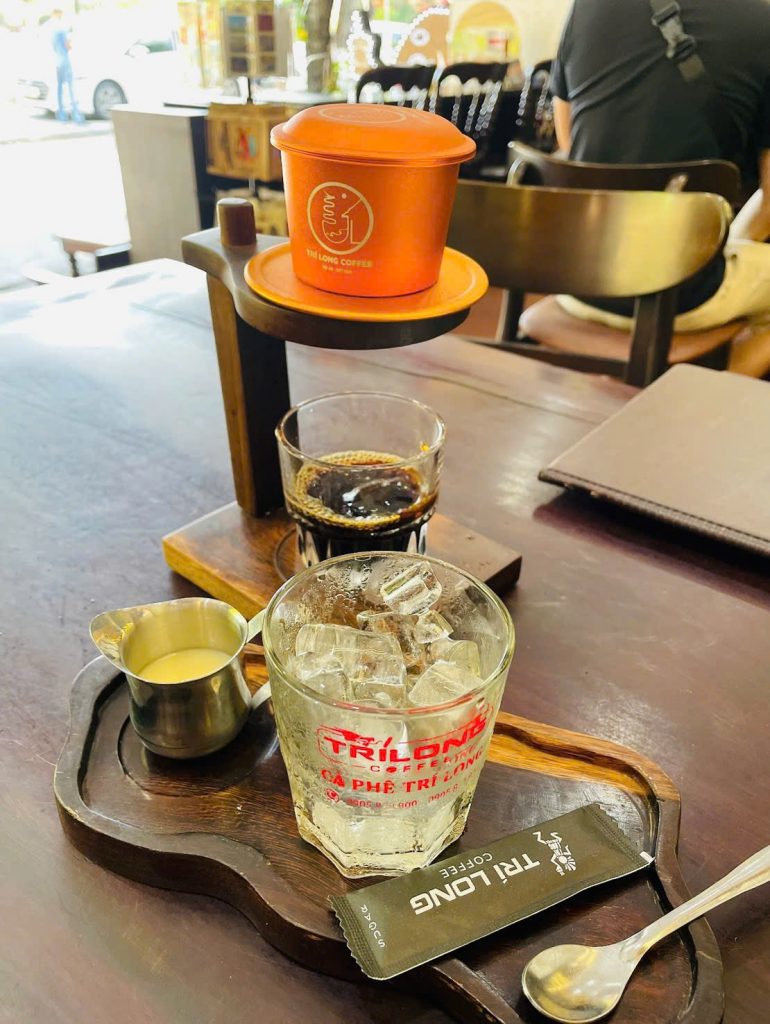
If you have ever tried Vietnamese coffee, you may have wondered: why is Vietnamese coffee so strong? Compared with many other types of coffee, Vietnamese coffee is famous for its bold aroma, intense flavor, rich body, and high caffeine content.
From the type of coffee beans Vietnam grows to the traditional phin filter, roasting style, and brewing method, several factors make Vietnamese coffee particularly strong and distinctive.
In this article, we will explain why Vietnamese coffee is so strong, what makes it different from other coffees, and how you can make authentic Vietnamese coffee at home.
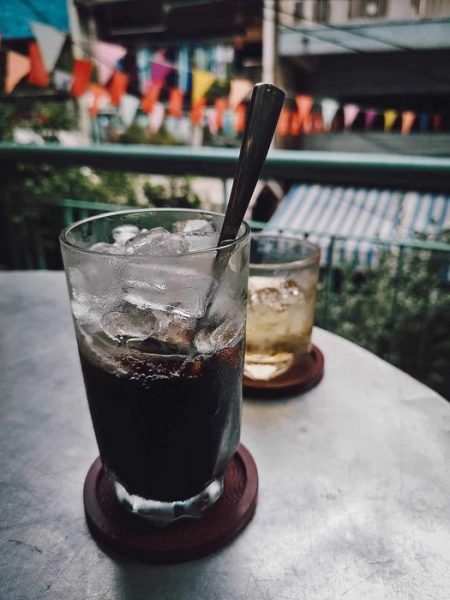
1. Vietnam Uses a Lot of Robusta Coffee
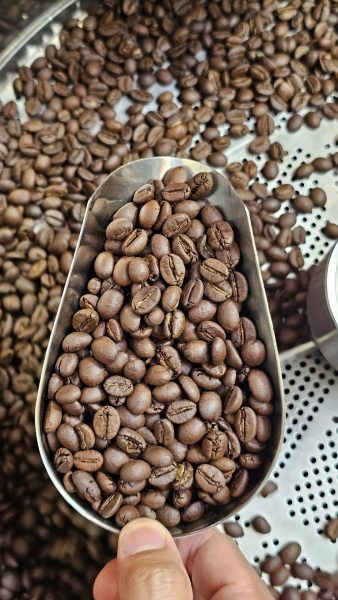
One of the main reasons Vietnamese coffee is so strong is the type of coffee beans commonly used.
Vietnam is one of the world’s major coffee-producing countries, especially known for Robusta coffee. Compared with Arabica, Robusta beans generally contain more caffeine and have a stronger, more bitter flavor.
Robusta coffee is known for:
- Higher caffeine content
- Stronger bitterness
- A fuller body
- Earthy and nutty flavors
- A thicker crema when brewed properly
Vietnamese coffee often uses Robusta beans or blends containing a significant proportion of Robusta. This gives the coffee its characteristic powerful taste.
Robusta vs. Arabica
Arabica coffee is often associated with more delicate acidity, floral aromas, and fruity flavors. Robusta, on the other hand, tends to have a heavier body and stronger bitterness.
This does not mean that Robusta is simply “stronger” in every way. The final taste also depends on the roasting level, grind size, brewing method, and amount of coffee used.
2. Vietnamese Coffee Is Often Dark Roasted
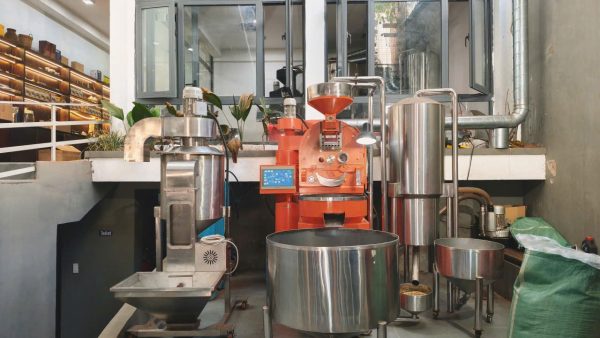
Another important factor is the roasting process.
Vietnamese coffee is traditionally roasted relatively dark, producing beans with a deep brown color and a rich, intense aroma.
During roasting, heat transforms the chemical compounds inside the green coffee beans and creates the familiar roasted flavors of coffee.
A darker roast can produce flavors such as:
- Chocolate
- Caramel
- Nuts
- Toast
- Smoky notes
This roasting style contributes to the bold character that many people associate with Vietnamese coffee.
At a coffee roastery, you can actually see how the beans change during roasting. The beans gradually change from green to yellow, then light brown, and finally a darker brown as the roasting process continues.
The roasting temperature and time are carefully controlled because they have a major influence on the final flavor.
3. The Traditional Phin Filter Makes a Concentrated Coffee
If you ask why Vietnamese coffee is so strong, you should also look at the brewing method.
Traditional Vietnamese coffee is commonly brewed using a small metal filter called a phin.
The phin is simple but effective. It sits directly on top of your cup and slowly allows hot water to pass through the ground coffee.
The basic process is:
- Add ground coffee to the phin.
- Place the filter insert on top of the coffee.
- Add a small amount of hot water and let the coffee bloom.
- Add more hot water.
- Allow the coffee to slowly drip into the cup.
Unlike a large drip coffee maker, the phin produces a relatively small amount of concentrated coffee.
The slow brewing process allows the hot water to stay in contact with the coffee grounds for longer, helping extract a rich and intense cup.
4. Vietnamese Coffee Uses a Relatively High Coffee-to-Water Ratio
The strength of coffee is also affected by the amount of coffee used compared with the amount of water.
When making Vietnamese coffee with a phin, you typically use a relatively generous amount of ground coffee for a small serving.
This creates a concentrated brew with a powerful aroma and flavor.
The grind size also matters. If the coffee is ground too finely, the water may flow too slowly. If it is too coarse, the coffee may become weak and under-extracted.
Finding the right grind size and brewing time is an important part of making a good Vietnamese phin coffee.
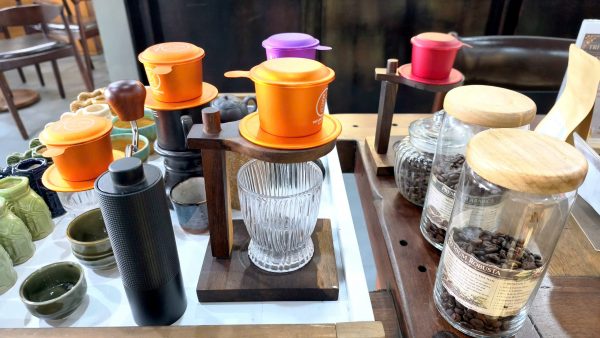
5. Condensed Milk Makes Vietnamese Coffee Rich and Intense
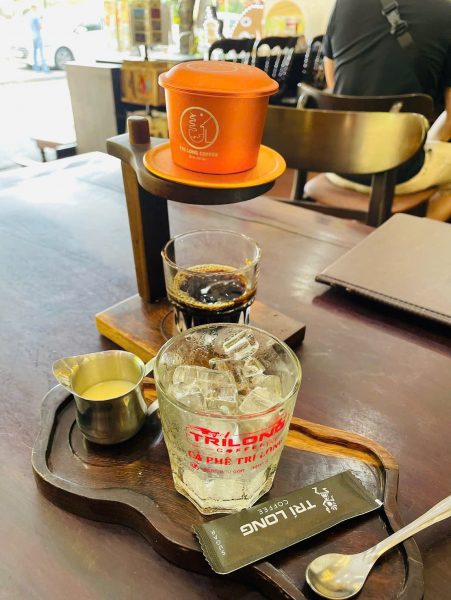
One of the most famous Vietnamese coffee drinks is cà phê sữa đá, or Vietnamese iced coffee with condensed milk.
Traditionally, sweetened condensed milk is placed in the bottom of the glass before the strong coffee from the phin drips into it.
The result is a combination of:
Strong coffee + creamy condensed milk + sweetness + ice
The condensed milk does not actually make the coffee contain more caffeine. Instead, its sweetness and creamy texture balance the bitterness of the strong coffee.
This contrast is one of the reasons Vietnamese iced coffee is so popular with both locals and international visitors.

6. The Brewing Method Creates a Different Coffee Experience
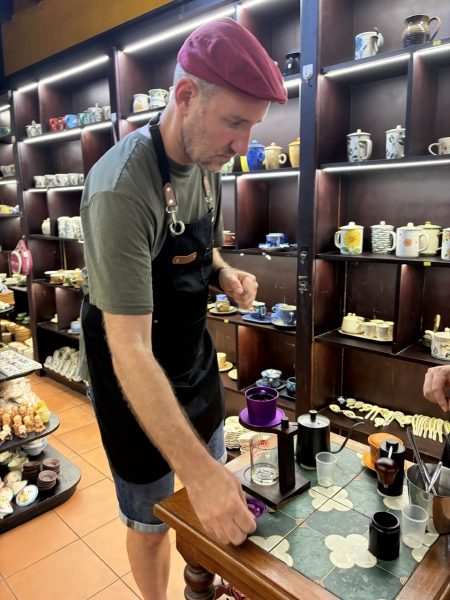
Vietnamese coffee is not just about the beans. It is also about the experience of watching the coffee slowly drip through the phin.
Unlike a coffee machine that can prepare a cup in seconds, a traditional phin requires patience.
You can watch each drop fall into your glass while the aroma gradually fills the air.
This slower process is an important part of Vietnamese coffee culture.
For many Vietnamese people, drinking coffee is not simply about getting caffeine. It is a social activity and a moment to relax, talk with friends, read, or watch everyday life.
7. Why Does Vietnamese Coffee Taste So Strong?
So, why is Vietnamese coffee so strong?
The answer is not just one thing.
The characteristic strength comes from a combination of:
- Robusta beans with naturally high caffeine content
- Dark or medium-dark roasting styles
- A relatively high amount of coffee grounds
- The traditional phin brewing method
- A concentrated coffee-to-water ratio
- Long, slow extraction
- Traditional preparation and serving styles
When these factors come together, you get a cup that is bold, aromatic, bitter, and full-bodied.
However, “strong” does not always mean “better.” Coffee flavor is a matter of personal preference. Some people love the intense character of Robusta, while others prefer the lighter acidity and fruity notes of Arabica.
Vietnamese Coffee vs. Western Coffee
Many visitors notice that Vietnamese coffee tastes very different from the coffee they drink at home.
A typical Vietnamese phin coffee is often:
- Stronger in body
- More bitter
- More concentrated
- Higher in caffeine when Robusta is used
- More chocolatey, nutty, or earthy in flavor
By comparison, many Arabica-based coffees can have lighter bodies and more noticeable fruity or acidic characteristics.
Of course, there are many different coffee styles around the world, so there is no single definition of “Western coffee.”
The important thing is that Vietnamese coffee has developed its own distinctive identity through local beans, roasting traditions, brewing techniques, and coffee culture.
Can You Make Strong Vietnamese Coffee at Home?
Yes! You do not need a professional coffee machine to make Vietnamese coffee.
To make traditional Vietnamese phin coffee, you need:
- Vietnamese ground coffee
- A Vietnamese phin filter
- Hot water
- A cup or glass
- Sweetened condensed milk, if you want cà phê sữa
- Ice, if you want Vietnamese iced coffee
For a classic Vietnamese iced coffee, add condensed milk to a glass, place the phin on top, and let the coffee slowly drip into the glass.
Once the brewing is finished, stir the coffee and condensed milk together. Add ice and enjoy.
The most important thing is to experiment with the coffee amount, grind size, water temperature, and brewing time until you find the flavor you like.
Experience Vietnamese Coffee in Hoi An
Reading about Vietnamese coffee is one thing, but making it yourself is a completely different experience.
If you are visiting Hoi An, you can discover Vietnamese coffee culture through a hands-on Hoi An coffee making class.
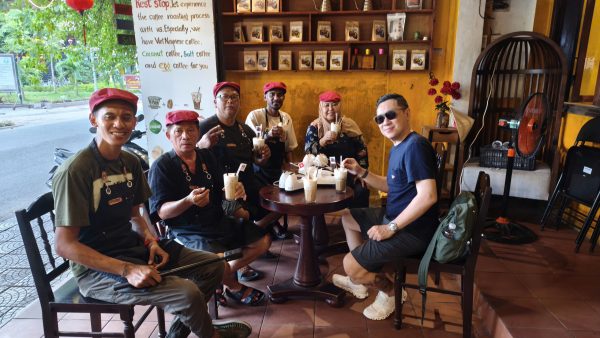
At Tri Long Coffee, visitors can learn about Vietnamese coffee beans, explore the roasting process, grind coffee, and make traditional Vietnamese coffee themselves.
Depending on the class, you can learn how to prepare some of Vietnam’s most popular coffee drinks, including:
- Traditional Vietnamese Phin Coffee
- Egg Coffee
- Salt Coffee
- Coconut Coffee
You can also learn more about how green coffee beans are transformed during the roasting process and how roasting affects the flavor of the final cup.
This is a great way to understand why Vietnamese coffee is so strong while experiencing Vietnamese coffee culture in person.
Conclusion: Why Vietnamese Coffee Is So Strong
So, why is Vietnamese coffee so strong?
The answer comes from a combination of Vietnam’s coffee beans, roasting techniques, brewing methods, and coffee culture.
The widespread use of Robusta gives Vietnamese coffee a naturally bold character and relatively high caffeine content. Dark roasting adds rich roasted flavors, while the traditional phin filter produces a concentrated brew.
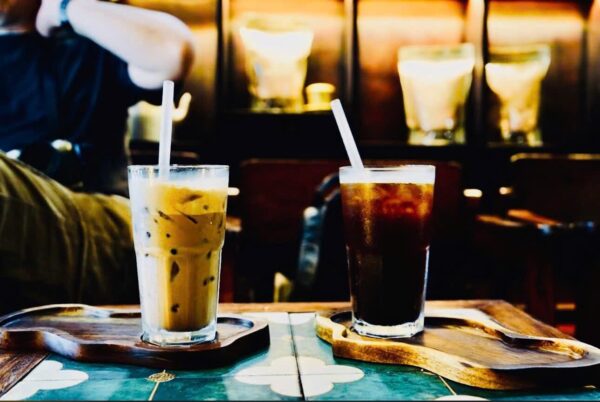
Add sweetened condensed milk and ice, and you get one of Vietnam’s most iconic drinks: Vietnamese iced coffee.
Whether you are a serious coffee lover or simply curious about Vietnamese culture, trying a traditional phin coffee is an experience you should not miss when visiting Vietnam.
And if you want to go beyond simply drinking Vietnamese coffee, join a Hoi An Coffee Making Class and learn how to roast, grind, brew, and make some of Vietnam’s most famous coffee drinks yourself.
Frequently Asked Questions
Is Vietnamese coffee really stronger than regular coffee?
Vietnamese coffee can taste stronger because it commonly uses Robusta beans, concentrated brewing methods, and relatively dark roasting. The actual caffeine content depends on the beans, quantity, and preparation method.
Why does Vietnamese coffee have so much caffeine?
Robusta coffee beans generally contain more caffeine than Arabica beans. Since Vietnamese coffee commonly uses Robusta, a cup can have a relatively high caffeine content.
What makes Vietnamese coffee different?
Vietnamese coffee is distinctive because of its combination of Robusta beans, traditional roasting styles, the phin filter, concentrated brewing, and serving styles such as cà phê sữa đá.
What is a Vietnamese phin?
A phin is a small traditional Vietnamese metal coffee filter. It sits on top of a cup and allows hot water to slowly drip through ground coffee.
Is Vietnamese coffee always made with Robusta?
No. Vietnamese coffee can also be made with Arabica or blends of different beans. However, Robusta has historically played an important role in Vietnam’s coffee industry and coffee culture.
What is the most famous Vietnamese coffee?
One of the most famous is cà phê sữa đá, Vietnamese iced coffee made with strong brewed coffee, sweetened condensed milk, and ice. Other popular drinks include egg coffee, salt coffee, and coconut coffee.
Ready to discover Vietnamese coffee for yourself? Join a hands-on Hoi An Coffee Making Class and experience the journey from coffee beans to your own cup of authentic Vietnamese coffee.