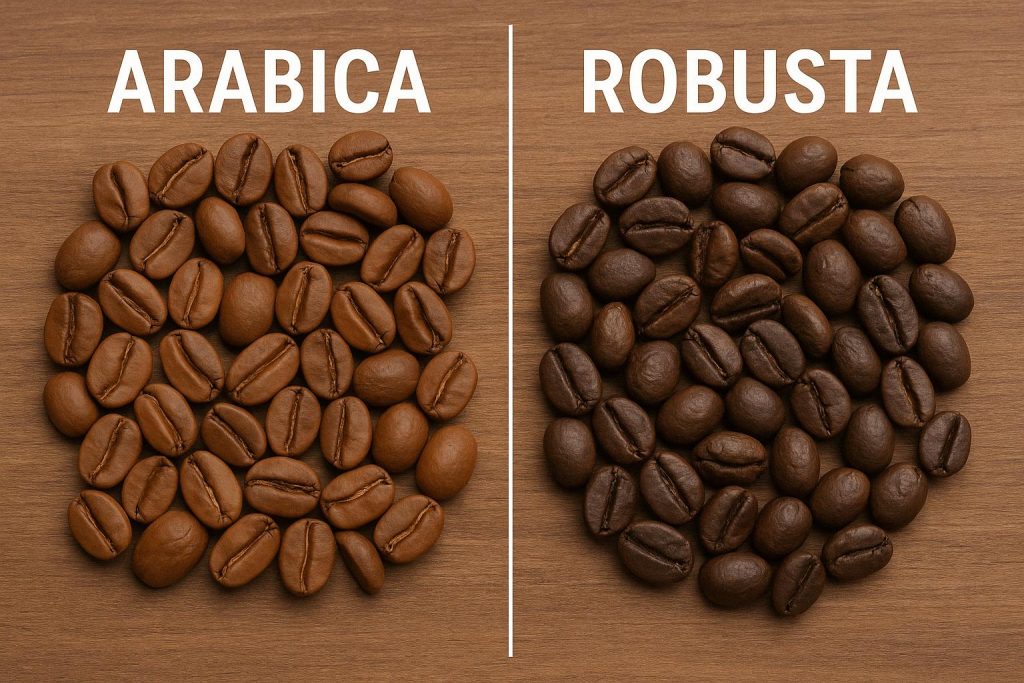
Vietnam is famous for its strong, bold coffee, but did you know that both Arabica and Robusta coffee are grown in Vietnam?
Although Vietnam is particularly well known for Robusta, Arabica is also cultivated in several highland regions. The two coffee varieties have different growing conditions, flavors, caffeine levels, and uses.
So, what is the difference between Arabica vs Robusta coffee in Vietnam?
Let’s take a closer look.
Understanding Arabica vs Robusta Coffee in Vietnam is important because these two coffee varieties have played different roles in the country’s coffee industry.
What Is Arabica Coffee?
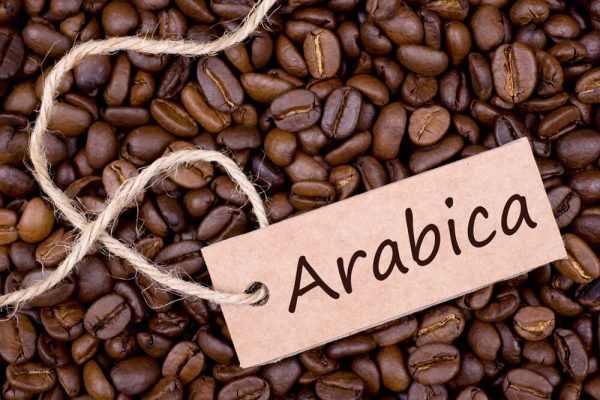
Arabica coffee comes from the species Coffea arabica.
It generally prefers cooler temperatures and higher elevations than Robusta. Because of these growing requirements, Arabica is more selective about its environment.
In Vietnam, Arabica is cultivated in areas with suitable cooler climates, including parts of the northern highlands and areas around Da Lat.

What Is Robusta Coffee?
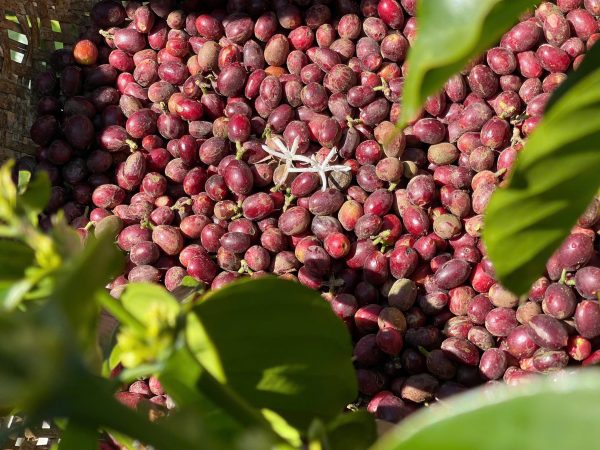
Robusta coffee comes from the species Coffea canephora.
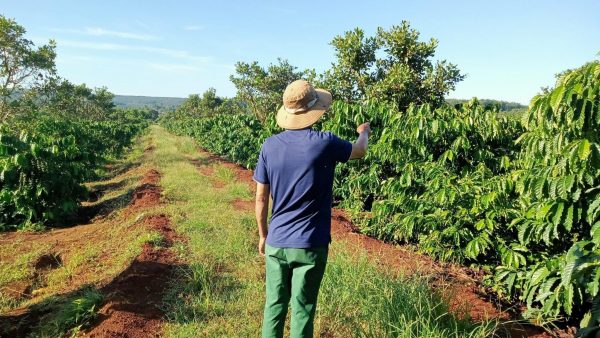
Vietnam is one of the world’s most important Robusta-producing countries. The Central Highlands, particularly provinces such as Dak Lak, Lam Dong, Gia Lai, and Dak Nong, are major coffee-growing areas.
Robusta is well suited to Vietnam’s tropical climate and has traditionally played a major role in the country’s coffee industry.
What Does Robusta Coffee Taste Like?
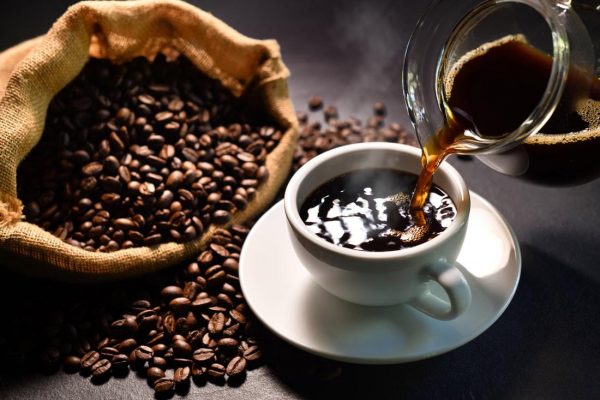
Vietnamese Robusta is typically known for:
- Strong body
- Bold flavor
- Low to moderate acidity
- Bitterness
- Nutty or chocolate-like notes
- A powerful aroma
- Higher caffeine content
The flavor can vary significantly depending on the variety, growing conditions, processing method, and roasting technique.
High-quality Robusta can also have surprisingly complex flavors. Modern coffee production has shown that Robusta is not simply a “cheap” coffee bean.
Arabica vs Robusta Coffee in Vietnam: Key Differences
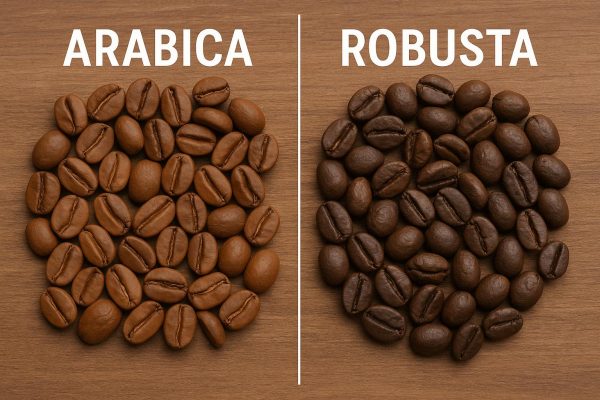
Here is a simple comparison of the two varieties:
| Feature | Arabica | Robusta |
|---|---|---|
| Species | Coffea arabica | Coffea canephora |
| Flavor | Smooth, sweet, aromatic | Strong, bold, intense |
| Acidity | Generally higher | Generally lower |
| Bitterness | Usually lower | Usually higher |
| Caffeine | Lower | Higher |
| Body | Light to medium | Full and heavy |
| Growing conditions | Cooler, higher elevations | Warmer, tropical climates |
| Production in Vietnam | Smaller share | Dominant |
| Common use in Vietnam | Specialty and blended coffee | Traditional Vietnamese coffee and blends |
The important thing to remember is that neither variety is automatically “better.”
They simply have different characteristics.
Why Is Robusta So Important in Vietnam?
Vietnam’s climate and geography are particularly suitable for Robusta cultivation.
The Central Highlands have fertile volcanic soils, a tropical climate, and suitable conditions for large-scale coffee production.
The International Coffee Organization identifies the Central Highlands as Vietnam’s major Robusta-growing region. Vietnam’s coffee sector has also developed a large production and processing industry around Robusta.
This is why Robusta has become such an important part of Vietnamese coffee culture.
Where Is Arabica Coffee Grown in Vietnam?
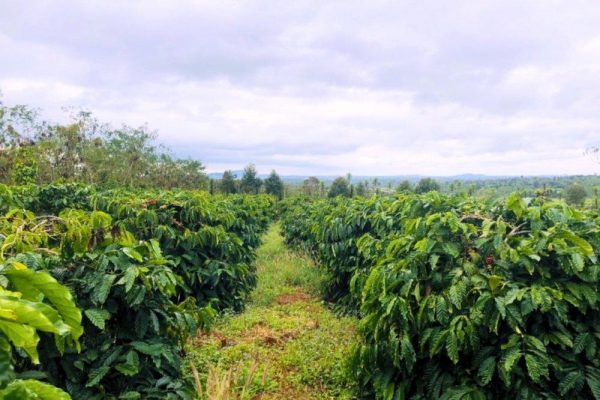
Although Robusta dominates Vietnamese coffee production, Arabica is also grown in several regions.
Some notable Arabica-growing areas include:
Son La
Son La, in northern Vietnam, has become an important Arabica-growing area.
Its higher elevations and cooler climate provide conditions that are more suitable for Arabica than the hot lowlands.
Da Lat
Da Lat and the surrounding highlands of Lam Dong are also associated with Arabica production.
The cooler climate and elevation make this region particularly suitable for Arabica coffee.
Cau Dat
Cau Dat, near Da Lat, is one of Vietnam’s better-known Arabica coffee-growing areas.
Coffee from this region is often appreciated for its aroma and relatively bright flavor profile.
Why Does Vietnamese Coffee Taste So Strong?
One of the biggest differences between Vietnamese coffee and many Western-style coffees is the use of Robusta.
Traditional Vietnamese coffee often uses Robusta or blends containing a significant proportion of Robusta.
Robusta naturally contains more caffeine than Arabica, and its strong body and intense flavor work particularly well with traditional Vietnamese brewing methods.
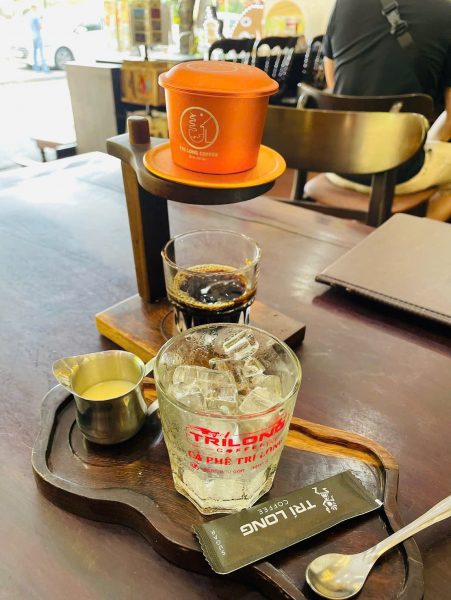
Vietnamese coffee is also commonly roasted relatively dark and brewed using a Phin filter.
The combination of:
Robusta + dark roasting + Phin brewing + condensed milk
creates the bold and distinctive flavor many people associate with Vietnamese coffee.
Arabica vs Robusta: Which Has More Caffeine?
Robusta generally contains more caffeine than Arabica.
This is one reason Robusta coffee can taste more intense and provide a stronger stimulating effect.
However, the actual caffeine content of a cup depends on many factors, including:
- The coffee variety
- The proportion of Arabica and Robusta
- The amount of coffee used
- The brewing method
- The serving size
So you cannot determine the exact caffeine content simply by looking at the coffee species.
Is Robusta Coffee Lower Quality Than Arabica?
Not necessarily.
This is one of the biggest misconceptions about coffee.
Arabica has traditionally been associated with higher-value specialty coffee, but that does not mean every Arabica coffee is better than every Robusta coffee.
Coffee quality depends on many factors, including:
- Variety
- Growing conditions
- Altitude
- Harvesting
- Processing
- Drying
- Storage
- Roasting
- Brewing
High-quality Robusta can produce a rich and enjoyable cup.
In fact, the development of Fine Robusta has attracted increasing interest from coffee professionals and producers around the world.
Vietnam is also developing improved Robusta varieties and production techniques to increase both productivity and cup quality.
Which Is Better for Vietnamese Coffee?
If you want the traditional Vietnamese coffee experience, Robusta is often the natural choice.
Its bold flavor and strong body work especially well with a traditional Phin filter.
Robusta also pairs beautifully with condensed milk in popular Vietnamese drinks such as cà phê sữa đá, or Vietnamese iced milk coffee.
Arabica, on the other hand, is a great choice if you prefer a smoother, more aromatic, and more delicate cup.
For people who enjoy specialty coffee, Vietnamese Arabica can be an interesting way to discover a different side of Vietnam’s coffee industry.
Can Arabica and Robusta Be Blended?
Yes.
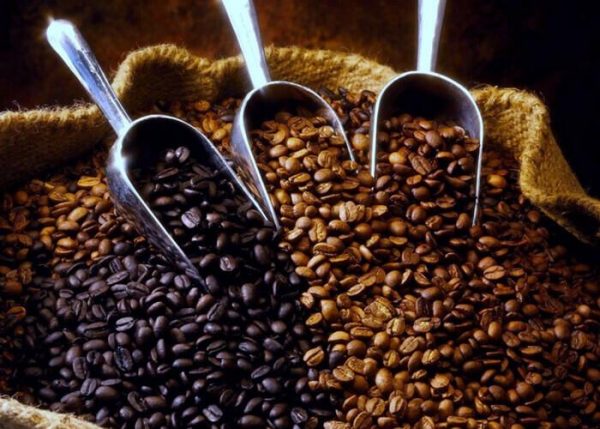
Arabica and Robusta can be blended to combine their different characteristics.
For example, a blend may use Arabica to add sweetness and aroma while using Robusta to provide body, intensity, and crema.
The ideal ratio depends on the desired flavor profile and brewing method.
In Vietnam, blends containing Robusta are particularly suitable for traditional coffee drinks because they maintain the bold flavor expected from Vietnamese coffee.
Arabica vs Robusta Coffee in Vietnam: Which One Should You Try?
The answer depends on your personal preference.
Choose Arabica if you prefer:
- A smoother cup
- More acidity
- Floral or fruity aromas
- A lighter and more delicate flavor
Choose Robusta if you prefer:
- Strong coffee
- Full body
- Higher caffeine
- Bold and intense flavors
- Traditional Vietnamese coffee
And if you are visiting Vietnam, why not try both?
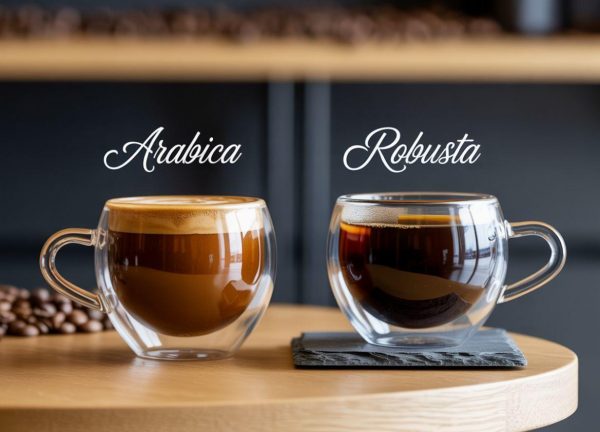
Tasting Arabica and Robusta side by side is one of the easiest ways to understand the difference.
Experience Vietnamese Coffee in Hoi An
If you are visiting Hoi An, you can go beyond simply drinking Vietnamese coffee and learn how it is made.
At Trí Long Coffee, visitors can discover Vietnamese coffee culture, learn about different coffee beans, see the roasting process, grind coffee beans, and make iconic Vietnamese coffee drinks using traditional equipment.
You can experience the differences between coffee beans while learning how roasting and brewing affect the final flavor.
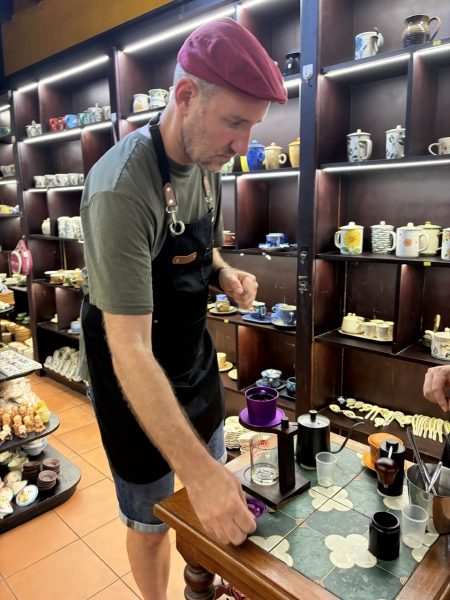
For coffee lovers, it is a hands-on way to understand why Vietnamese coffee tastes so unique.
Final Thoughts: Arabica vs Robusta Coffee in Vietnam
The story of Vietnamese coffee cannot be told without Robusta.
While Arabica has an important place in Vietnam’s growing specialty coffee scene, Robusta remains at the heart of the country’s coffee identity.
Arabica offers a smoother and more aromatic experience, while Robusta delivers the bold body and intensity that make Vietnamese coffee famous.
The best way to understand the difference is not simply to read about it.
Taste them side by side.
Once you do, you will have a much better understanding of what makes Vietnamese coffee so special.
Frequently Asked Questions
Is Vietnam known for Arabica or Robusta coffee?
Vietnam is best known for Robusta coffee. The country is one of the world’s leading Robusta producers, with the Central Highlands being the main production area.
Is Vietnamese coffee Arabica or Robusta?
Traditional Vietnamese coffee is commonly made with Robusta or a blend containing Robusta. However, Arabica is also grown in Vietnam, particularly in cooler highland regions.
Is Robusta stronger than Arabica?
Generally, yes. Robusta usually has more caffeine, a heavier body, and a stronger, more bitter flavor than Arabica.
Which is better, Arabica or Robusta?
Neither is universally better. Arabica is often preferred for its sweetness and aroma, while Robusta is valued for its strength, body, and intensity.
Where is Robusta coffee grown in Vietnam?
Most Vietnamese Robusta is grown in the Central Highlands, including areas around Dak Lak, Gia Lai, Dak Nong, and Lam Dong.
Where is Arabica coffee grown in Vietnam?
Vietnamese Arabica is grown in several cooler highland areas, including Son La and the Da Lat/Cau Dat region.
Why is Vietnamese coffee so strong?
Vietnamese coffee is often strong because of the use of Robusta beans, dark roasting, and concentrated brewing with a traditional Phin filter. Condensed milk is also commonly added to create the classic Vietnamese iced milk coffee.