
Introduction
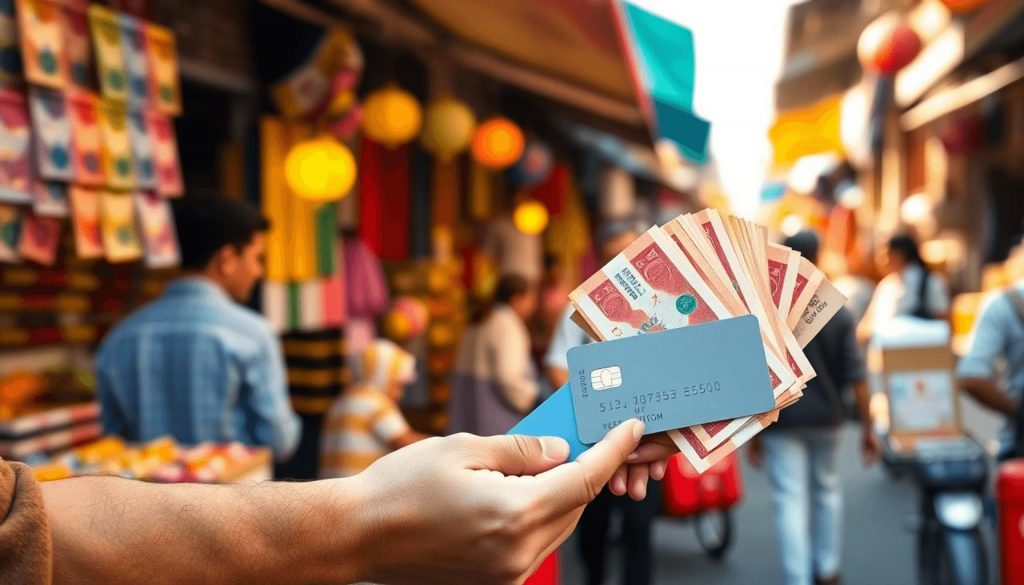
Cash or card in Vietnam is an important question to consider when planning your trip. While digital payments are becoming more common, cash remains essential for many everyday transactions, especially at local markets, street food stalls, and small family-run businesses.
From local markets and street food stalls to restaurants, hotels, and shopping centers, payment methods can vary depending on where you go. Understanding how payments work before your trip can help you avoid unnecessary stress and make your journey more comfortable.
In this guide, you will learn when to use cash, where cards are accepted, how to withdraw Vietnamese dong, and how to prepare your money for traveling around Vietnam.
If you are planning your trip, explore our other travel tips and guides on visiting Hoi An to help you prepare for a more enjoyable journey in Vietnam.
1. Is Cash or Card Better in Vietnam?
The simplest answer is to bring both.
Cash is useful for everyday purchases, particularly at small local businesses, traditional markets, street food stalls, and some family-run shops. Bank cards are generally more convenient at larger hotels, supermarkets, established restaurants, and shopping centers.
However, payment methods vary between businesses, even within the same city. Do not assume that every restaurant or shop accepts cards.
For most travelers, keeping a reasonable amount of Vietnamese dong for daily expenses while using a card for larger payments is a practical approach.
2. What Currency Is Used in Vietnam?
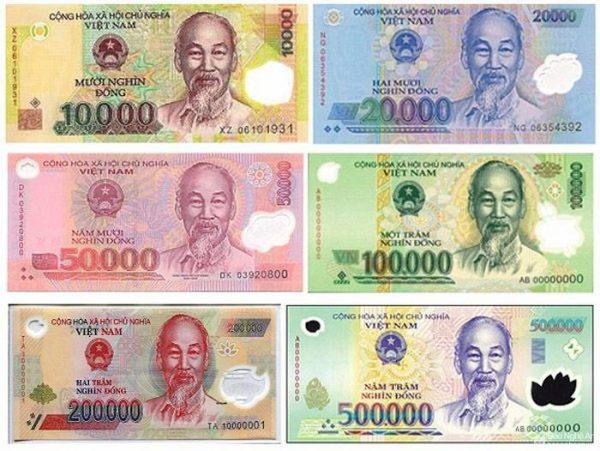
Vietnam’s official currency is the Vietnamese dong (VND), commonly written with the symbol ₫.
Banknotes come in several denominations, and the number of zeros can initially be confusing for first-time visitors.
For example:
- 20,000 VND = twenty thousand dong
- 50,000 VND = fifty thousand dong
- 100,000 VND = one hundred thousand dong
- 500,000 VND = five hundred thousand dong
Take a moment to check the denomination before handing over a banknote. Some notes have similar colors, particularly in dim lighting.
It is also helpful to keep smaller banknotes for buying snacks, paying for short rides, or shopping at local markets.
3. Where Can You Pay by Card in Vietnam?
Card acceptance is common at many established businesses, especially in larger cities and tourist destinations.
You can often use a bank card at:
- Hotels and larger accommodation providers
- Shopping malls and supermarkets
- Mid-range and upscale restaurants
- Some cafés and tour operators
- Businesses that offer electronic payment terminals
However, smaller eateries, street vendors, market stalls, and independent shops may accept cash only.
Some businesses may also have a minimum card payment or charge a card processing fee. Always check the payment conditions before completing a transaction.
Travel tip: Before ordering or making a purchase, politely ask, “Can I pay by card?” If the answer is no, having cash available will save time.
4. Should You Carry Cash When Visiting Local Markets?
Yes. Cash is particularly useful when exploring traditional markets and buying small items from local vendors.
At markets in Vietnam, you may want to buy fresh fruit, snacks, souvenirs, clothing, or handmade products. Many vendors prefer cash because it is simple and convenient for small transactions.
Consider carrying a mixture of smaller banknotes rather than relying entirely on large denominations.
You should also confirm the price before purchasing an item, especially when the price is not displayed. This helps avoid misunderstandings and makes shopping more comfortable for both you and the seller.
5. Using ATMs in Vietnam
ATMs are available in many cities and tourist areas, making it possible to withdraw Vietnamese dong using eligible international bank cards.
Before withdrawing money, keep these points in mind:
- Check withdrawal fees: Your local bank and the Vietnamese ATM operator may each charge a fee.
- Check withdrawal limits: The maximum amount per transaction varies by bank and ATM.
- Choose a secure location: Whenever possible, use an ATM inside a bank branch or a well-lit, busy area.
- Protect your PIN: Cover the keypad when entering your PIN.
- Keep your card secure: If an ATM behaves unusually or retains your card, contact your bank promptly.
If you plan to use your card frequently, check your bank’s overseas withdrawal fees and international transaction charges before leaving home.
6. Where Should You Exchange Money in Vietnam?
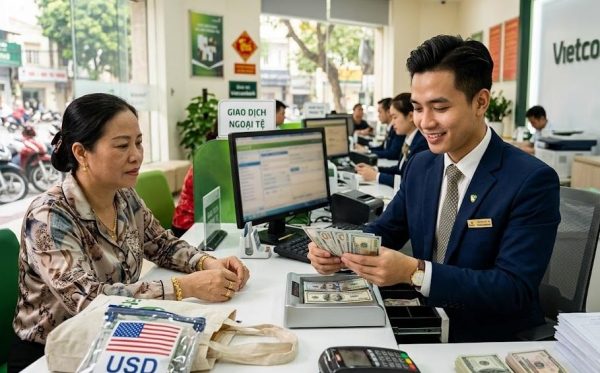
If you arrive with foreign currency, you may want to exchange some of it into Vietnamese dong.
Possible options include banks and licensed currency exchange providers. Some authorized exchange counters are also available at airports and in tourist areas.
Exchange rates and fees can differ, so compare the final amount you will receive rather than looking only at the advertised rate.
Avoid exchanging money with unauthorized individuals. Keep your exchange receipt until you have checked the amount received.
You generally do not need to exchange all your travel money at once. Start with an amount suitable for your immediate needs and decide whether to exchange more later.
7. How Much Cash Should You Carry Each Day?
There is no single amount that works for every traveler. Your daily cash needs depend on your travel style, planned activities, accommodation, and whether you pay for larger expenses by card.
You can use the following examples as a starting point:
- Light daily spending: Cash for drinks, snacks, local food, and small purchases.
- A day of sightseeing: Additional cash for transport, entrance tickets where cash is required, and souvenirs.
- Shopping or activities: Carry enough for planned purchases while keeping the rest of your money secure.
These are planning categories rather than fixed budgets. Prices vary considerably between destinations and businesses.
Instead of carrying all your travel money in one wallet, keep a smaller amount accessible and store backup funds securely elsewhere.
8. Important Money Safety Tips for Travelers
Regardless of whether you prefer cash or card, a few simple habits can help protect your money.
- Keep cash and backup cards in separate places.
- Use a secure wallet or zipped bag in crowded areas.
- Check the amount and denomination when receiving change.
- Review bank notifications and transactions regularly.
- Inform your bank about your travel plans if required.
- Save your bank’s contact details in case your card is lost or stolen.
- Keep a backup payment method in case a card is declined.
If a payment terminal offers to charge you in your home currency or Vietnamese dong, compare the displayed exchange rate and fees. Paying in Vietnamese dong and allowing your card issuer to convert the amount is often preferable, but the best option depends on your card’s terms and the conversion rate offered.
Final Thoughts
When deciding between cash or card in Vietnam, you do not have to choose just one. Both payment methods can be useful during your trip.
A bank card is convenient for many larger purchases, while cash is still essential for numerous everyday transactions, particularly at local markets, small food stalls, and independent businesses.
Prepare both options before you travel, understand your bank’s fees, and keep your money secure. With a little planning, paying for food, transport, shopping, and experiences in Vietnam can be straightforward and stress-free.
Enjoy exploring Vietnam, from its modern shopping districts to its traditional markets and welcoming local businesses.