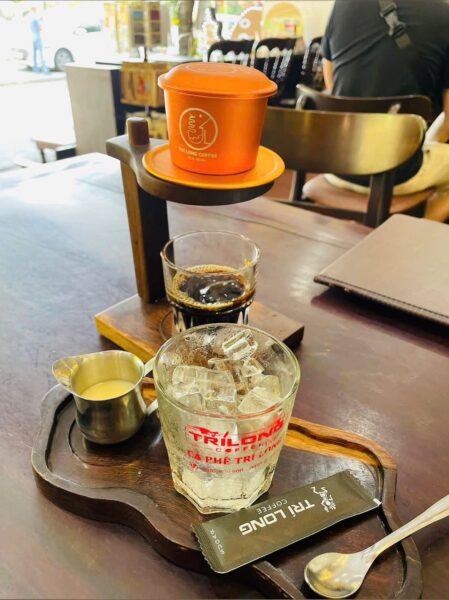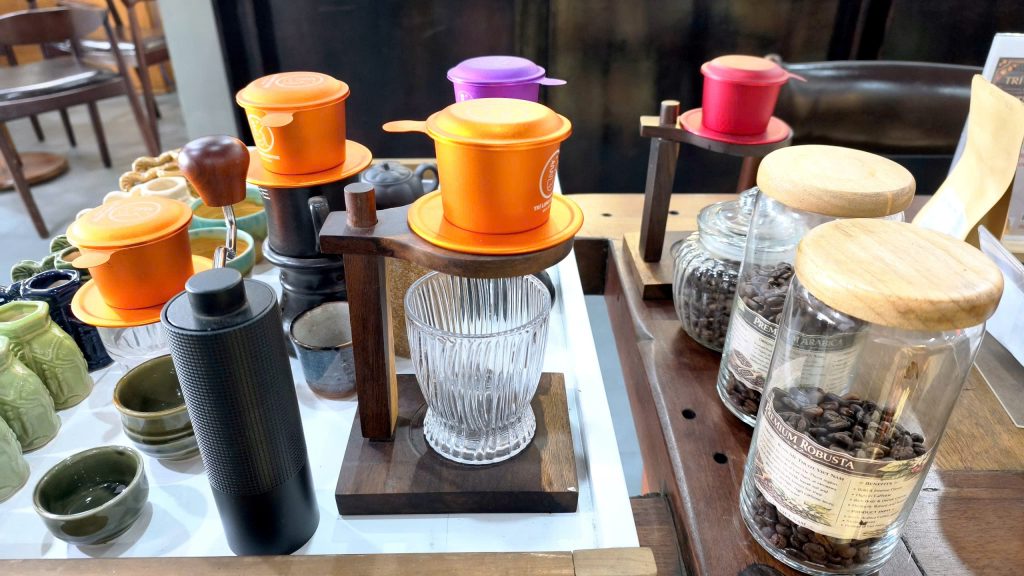
How to Use a Vietnamese Phin Filter: A Step-by-Step Guide

how to use a Vietnamese phin filter

How to use a Vietnamese phin filter is simple once you know the basic steps. With the right coffee, grind size, water temperature, and brewing time, you can make a delicious cup of Vietnamese phin coffee at home.

Vietnamese coffee is famous for its bold flavor, slow brewing process, and distinctive metal filter called a phin. Unlike an electric coffee maker or espresso machine, a Vietnamese phin filter lets hot water slowly drip through freshly ground coffee, creating a strong and aromatic cup.

In this guide, you will learn how to use a Vietnamese phin filter step by step, how much coffee and water to use, how to adjust the brewing time, and how to make Vietnamese iced coffee at home.

ater temperature, and brewing time, you can make authentic Vietnamese Phin coffee in just a few minutes.
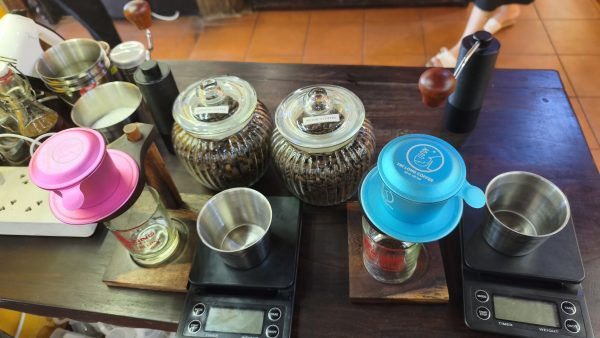
Vietnamese phin filter coffee brewing in Hoi An
Traditional Vietnamese phin filter coffee brewed slowly for a rich and authentic coffee experience.

What Is a Vietnamese Phin Filter?

A Vietnamese phin is a small metal coffee filter traditionally used to brew Vietnamese coffee.
It usually consists of four parts:
A small brewing chamber
A perforated filter press
A lid
A cup or base underneath the filter
Vietnamese phin coffee slowly dripping into a glass
Vietnamese phin coffee slowly dripping, creating a rich and aromatic cup of traditional coffee.
The phin does not require electricity. Hot water is poured over the coffee grounds, then slowly passes through the filter and drips directly into your cup.
The slow brewing process is an important part of the Vietnamese coffee experience. It allows you to watch the coffee drip while enjoying its rich aroma

What Do You Need to Make Vietnamese Phin Coffee?

Before brewing, prepare:
Ground coffee
1 Vietnamese phin filter
A cup or glass
Condensed milk, if you want to make Vietnamese iced milk coffee
Ice, if you prefer your coffee cold
For a traditional Vietnamese-style cup, medium-to-dark roasted coffee is commonly used. Robusta is especially popular because of its strong body and bold flavor.

How to Use a Vietnamese Phin Filter

1. Prepare Your Phin and Coffee

Place the phin on top of a clean cup or glass.
Add approximately 20 g of freshly ground coffee into the brewing chamber. Spread the coffee grounds evenly.
The grind should generally be finer than what you would use for a French press, but not as fine as espresso.

2. Gently Press the Coffee

Place the small filter press over the coffee grounds.
Do not press it too tightly. The goal is to keep the coffee grounds evenly distributed while still allowing hot water to pass through slowly.
If the coffee is packed too tightly, the water may take too long to pass through and the finished coffee can taste overly bitter.

3. Add a Small Amount of Hot Water

Heat your water to around 90–96°C.
Pour a small amount of hot water over the coffee grounds, just enough to wet them.
Let the coffee sit for about 20–30 seconds.
This short resting period allows the coffee grounds to absorb water before the main brewing stage.

4. Add the Remaining Water

Slowly pour the remaining hot water into the phin.

Place the lid on top and allow the coffee to drip naturally into the cup.

A typical brewing time is around 4–5 minutes, although the exact time can vary depending on the coffee, grind size, and filter.

One of the enjoyable things about Vietnamese phin coffee is that there is no need to rush. You can simply watch the coffee slowly drip into your cup.

5. Enjoy Your Vietnamese Coffee

Vietnamese iced coffee brewed with a traditional phin filter
A refreshing glass of Vietnamese iced coffee made with traditional phin filter brewing.

Once most of the water has passed through the coffee grounds, remove the phin.
You can enjoy the coffee hot, or turn it into a Vietnamese iced coffee.
For a traditional Vietnamese iced milk coffee, add condensed milk to the cup before brewing. Once the coffee has finished dripping, stir well and pour it over ice.

How to Make Vietnamese Iced Coffee with a Phin

Vietnamese phin coffee dripping over condensed milk in a glass
Freshly brewed Vietnamese phin coffee slowly dripping over sweetened condensed milk.

Vietnamese iced coffee, commonly known as cà phê sữa đá, is one of the country’s best-known coffee drinks.
To make it:
– Add 1–2 tablespoons of condensed milk to a glass.
– Place the phin on top.
– Add your ground coffee.
– Brew with hot water.
– Stir the coffee and condensed milk together.
– Pour over a glass filled with ice.
The combination of strong brewed coffee, sweet condensed milk, and ice creates a rich and refreshing drink.
If you prefer a less sweet option, you can also brew the coffee directly into a glass and serve it over ice without condensed milk. This is Vietnamese iced black coffee, or cà phê đen đá.

Why Is My Phin Coffee Too Bitter?

If your coffee tastes excessively bitter, several factors may be responsible.
The Coffee Is Ground Too Fine
Very fine coffee can slow the water flow and lead to over-extraction.
The Coffee Is Pressed Too Tightly
A tightly compressed coffee bed can make the water drip too slowly.
The Water Is Too Hot
Water that is excessively hot can extract unwanted bitter flavors from the coffee.
The Brewing Time Is Too Long
If the coffee takes much longer than expected to drip, check the grind size and how firmly the filter press is positioned.
Small adjustments can make a significant difference.

Why Is My Phin Coffee Too Weak?

If the coffee tastes watery or lacks body, try checking the opposite factors.
Your grind may be too coarse, the coffee-to-water ratio may be too low, or the water may be passing through the coffee too quickly.
Try using a slightly finer grind or adding a little more coffee.
The goal is not necessarily to make the coffee as strong as possible. A good Vietnamese phin should produce a concentrated cup with a pleasant balance of aroma, bitterness, sweetness, and body.

What Coffee Should You Use for a Vietnamese Phin?
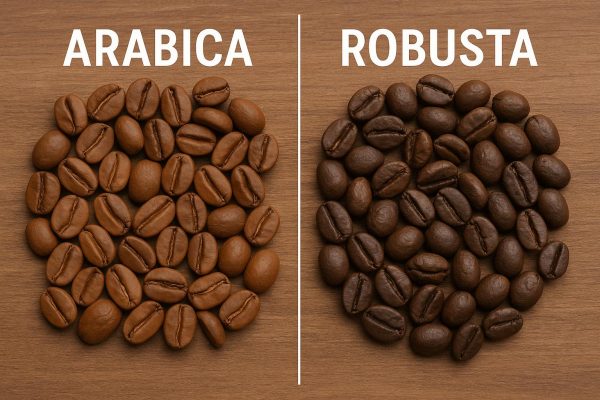
Arabica vs Robusta Coffee in Vietnam
Arabica and Robusta coffee beans in Vietnam

There is no single coffee that you must use with a phin.
Vietnamese Robusta is a popular choice because it produces a strong, full-bodied cup that works particularly well with condensed milk and ice.
Arabica can also be brewed with a phin and may provide more floral, fruity, or acidic characteristics.
You can experiment with different beans, roast levels, and blends to find the flavor you enjoy most.
The brewing method is part of the experience, but the coffee beans themselves also play an important role.

Enjoy the Slow Ritual of Vietnamese Phin Coffee
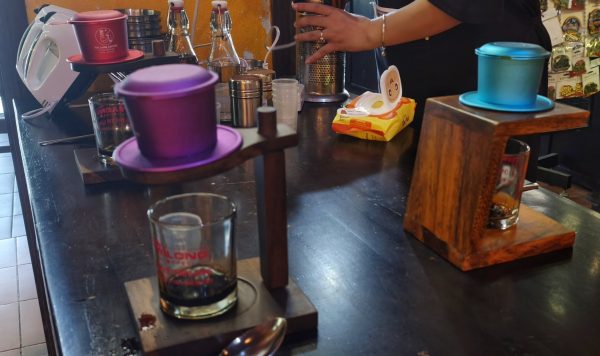
Vietnamese phin coffee slowly dripping for a slow coffee moment
Slow down and enjoy the simple ritual of watching Vietnamese phin coffee drip, one drop at a time.
Using a Vietnamese phin is more than simply making a cup of coffee.
The slow dripping process encourages you to pause and enjoy the aroma before taking the first sip. In Vietnam, coffee is often enjoyed slowly while talking with friends, reading, working, or simply watching the world go by.
That slower pace is one of the things that makes Vietnamese coffee culture special.

Learn to Make Vietnamese Coffee in Hoi An
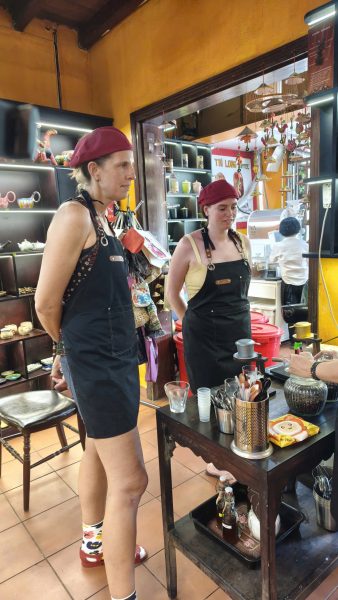
Tourist making Vietnamese coffee with a traditional phin filter
The best way to understand Vietnamese coffee is to make it yourself and experience the traditional brewing process firsthand.
If you are visiting Hoi An and want to experience Vietnamese coffee beyond simply ordering a drink, you can join a hands-on coffee making class at Tri Long Coffee.
You can learn about Vietnamese coffee and culture, discover coffee-growing regions and different beans, and learn about the roasting process and coffee storage.
During the class, you can also make popular Vietnamese coffee drinks such as Phin Coffee, Coconut Coffee, Egg Coffee, and Salt Coffee.
It is a practical way to learn how Vietnamese coffee is prepared while experiencing the coffee culture of Hoi An.

Final Thoughts

Learning how to use a Vietnamese phin filter is simple once you understand the basic steps.
Use freshly ground coffee, choose the right grind size, avoid pressing the filter too tightly, use hot water, and allow the coffee to drip slowly. From there, you can enjoy a strong black coffee or add condensed milk and ice to make a classic Vietnamese cà phê sữa đá.
Once you become familiar with the basic method, you can start experimenting with different Vietnamese coffee beans and brewing ratios to create your own favorite cup.
The next time you drink Vietnamese coffee, take a moment to enjoy the slow drip, the aroma, and the ritual behind the cup.

Leave a Reply

Your email address will not be published. Required fields are marked *