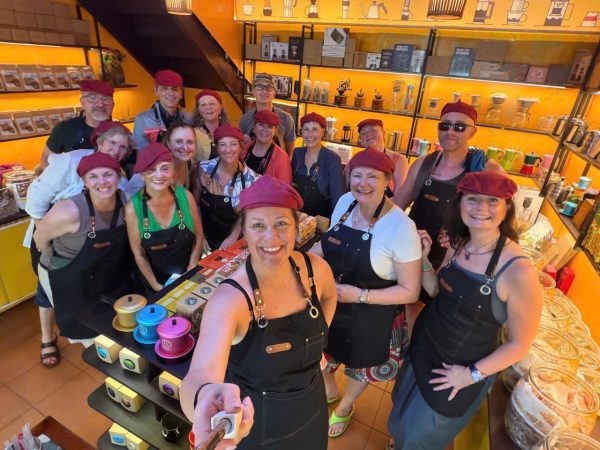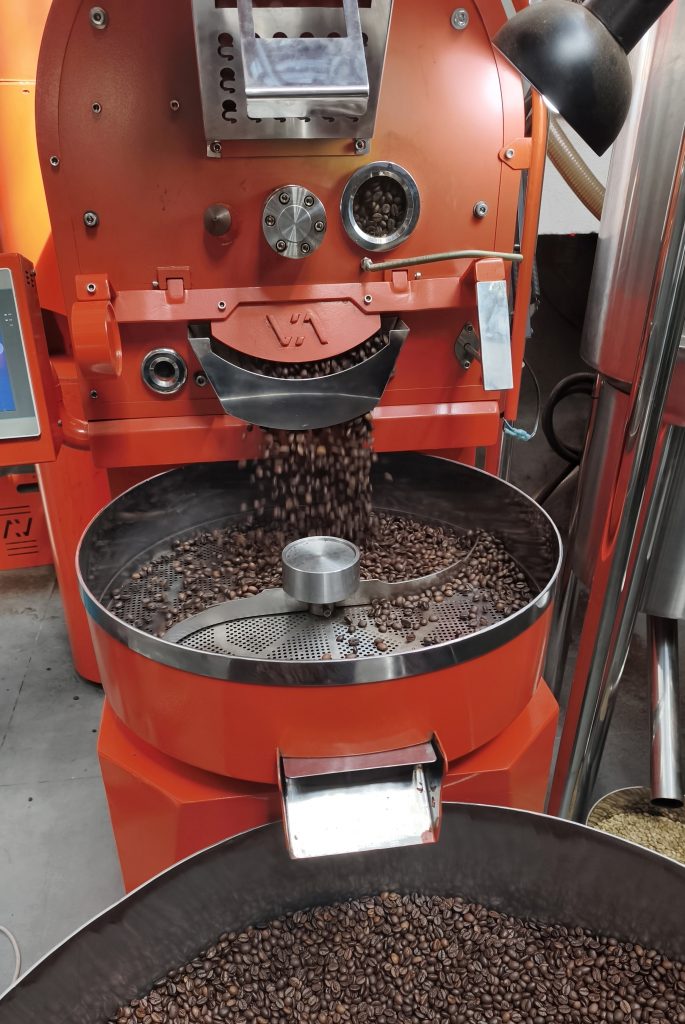
A coffee roasting class in Hoi An is a great way to understand Vietnamese coffee beyond simply drinking a cup. At Tri Long Coffee Roastery, you can discover how Vietnamese coffee is selected, roasted and prepared while learning inside a working local roastery.
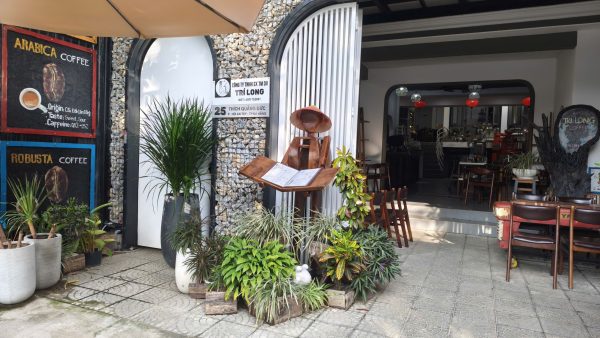
Located at 25 Thích Quảng Đức, Hội An Tây Ward, Da Nang City, Tri Long Coffee Roastery has been operating in Hoi An since 2016. The roastery supplies freshly roasted coffee to cafés, restaurants and hotels in Hoi An and nearby areas, while also welcoming visitors who want to discover Vietnamese coffee culture.
Why Take a Coffee Roasting Class in Hoi An at a Working Roastery?
A coffee roasting class can be very different when it takes place inside a working roastery.
At Tri Long, coffee roasting is part of the daily business. The roastery produces around 200 kg of roasted coffee each day, with coffee regularly delivered to local cafés, restaurants and hotels.
This means visitors can see coffee not simply as a finished drink, but as a product that goes through several stages before reaching the cup.
You can learn about:
- Green coffee beans and where they come from
- Arabica and Robusta coffee
- Different roasting levels
- Changes in colour, aroma and flavour during roasting
- How roasting affects the final cup
- Grinding and brewing after roasting
- Vietnamese coffee culture and traditional brewing methods
The experience connects the entire process from green beans to a freshly brewed cup.
From Selected Green Beans to Roasted Coffee
Good coffee begins with the green beans.
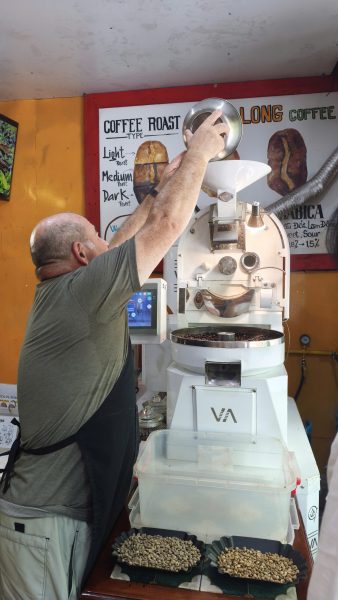
Tri Long works with selected green coffee beans from Vietnamese growing regions, including Cầu Đất in Đà Lạt and the Central Highlands.
Both Arabica and Robusta are used at the roastery. Depending on the requirements of individual customers, coffee can also be blended to create a particular flavour profile.
One common blend is a 50:50 combination of Arabica and Robusta.
During a coffee roasting class in Hoi An, participants can learn why different beans behave differently during roasting and how the roasting process influences aroma, body, bitterness, acidity and overall flavour.
The goal is not simply to make the beans darker. Roasting is about developing the characteristics of the coffee while creating a balanced flavour suitable for the intended brewing method.
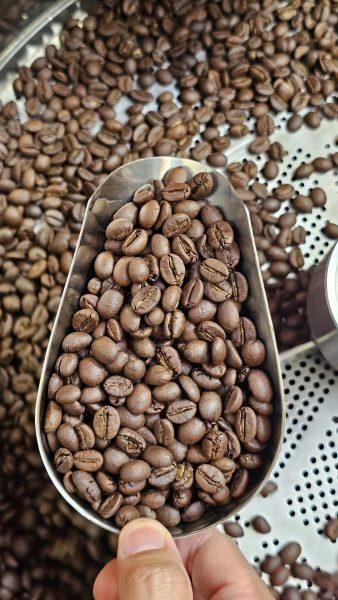
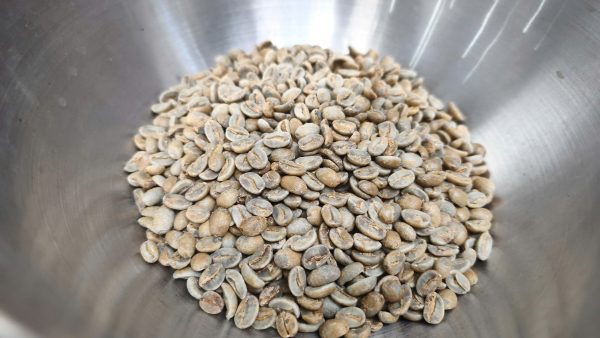
What Happens During Coffee Roasting?
Green coffee beans look very different from the roasted beans most people are familiar with.
As the beans are heated, their colour gradually changes and their aroma develops. The beans also go through important stages during roasting, including the first crack.
Temperature, roasting time and the development of the beans all influence the final result.
At Tri Long, visitors can observe the real roasting process and learn how the beans change from green coffee to roasted coffee.
The finished coffee is known for a rich flavour, full body and a distinctly natural coffee character.
For people who have only experienced coffee as a finished drink, seeing this transformation can make the final cup much easier to understand.
Learn Vietnamese Coffee Making
Roasting is only one part of the coffee journey.
After learning about the beans and roasting process, visitors can also discover how Vietnamese coffee is prepared.
The Vietnamese Phin filter is one of the most recognizable traditional brewing methods in Vietnam. It is simple in appearance, but small differences in coffee, grind size, water and brewing technique can change the final drink.
During the coffee making classes at Tri Long, participants can practise preparing Vietnamese coffee using traditional and manual brewing equipment.
The experience can include different styles of Vietnamese coffee, such as:
- Vietnamese Phin coffee
- Egg coffee
- Coconut coffee
- Salt coffee
Learning to prepare the coffee yourself makes it easier to understand why Vietnamese coffee has such a distinctive character.
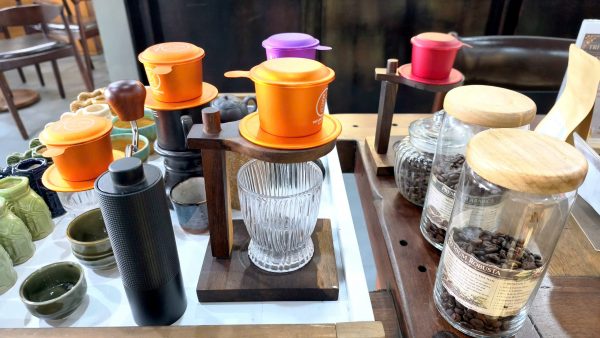
Explore Different Coffee Brewing Equipment
Coffee does not have to be prepared in only one way.
Inside the roastery, visitors can also discover a variety of brewing equipment, including traditional and manual coffee-making tools.
These include Vietnamese Phin filters, Moka pots, manual filter brewing equipment and other tools used to prepare coffee.
Each brewing method interacts differently with the roasted beans.
A Phin can create a concentrated and distinctive Vietnamese-style cup, while other manual methods can highlight different aromas and characteristics of the same coffee.
For coffee lovers, comparing brewing methods is an opportunity to understand how the same beans can produce different experiences in the cup.
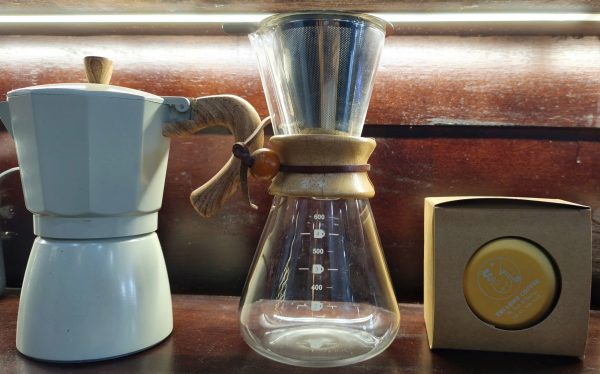
Coffee and Tea: More Than Just Brewing
Tri Long’s interest in beverages also extends beyond coffee.
The roastery welcomes visitors who want to enjoy coffee as well as Vietnamese herbal teas. The space also includes equipment and serving ware for both coffee and tea.
Visitors can discover items such as:
- Tea pots
- Tea cups
- Ceramic tea ware
- Coffee brewing equipment
- Vietnamese Phin filters
- Moka pots
- Manual brewing tools
- Coffee and tea serving accessories
This creates a connection between the ingredients, the preparation process and the way beverages are traditionally enjoyed.
For visitors interested in Vietnamese culture, these small details can be just as interesting as the drink itself.
Learn with Real Coffee, Real Equipment and Real Ingredients
One of the main characteristics of the classes at Tri Long is that they take place directly inside the working roastery.
Participants do not learn only from pictures or pre-prepared materials. They can work with coffee beans and equipment used in the roastery.
The coffee roasting classes introduce participants to the principles behind roasting, including green bean selection, roasting development, temperature, timing, first crack and the relationship between roasting and flavour.
Vietnamese coffee making classes focus more on brewing and preparation, allowing visitors to practise making their own coffee using traditional Vietnamese methods.
This makes the experience particularly suitable for people who want more than a typical coffee tasting.
You can see the beans, smell the changes during roasting, observe the equipment and taste the result.
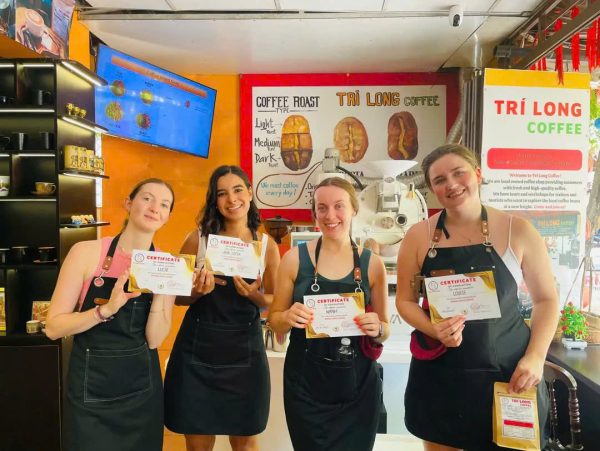
Coffee Roasting for Beginners and Coffee Lovers
You do not need to be a professional barista to learn about coffee roasting.
A roasting class can be useful for travellers who are curious about Vietnamese coffee, coffee enthusiasts who want to understand roasting better, or people who are considering working with coffee in the future.
For more experienced coffee professionals, learning inside a local Vietnamese roastery can also provide a different perspective on Vietnamese Robusta, Arabica and local coffee production.
The focus is on understanding the process rather than simply memorising information.
You can see the beans, smell the changes during roasting, observe the equipment and taste the result.
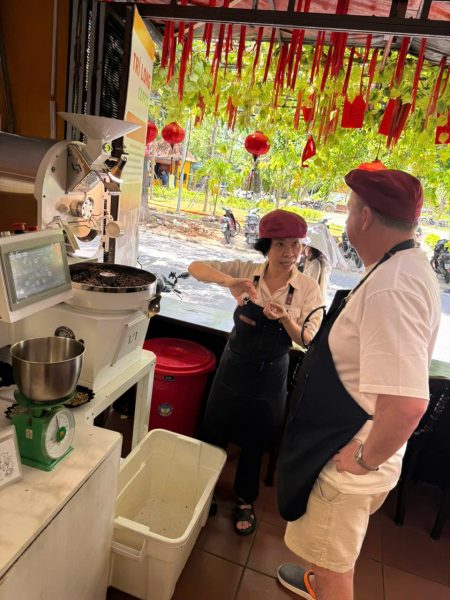
A Local Roastery Supplying Coffee to Hoi An Businesses
Tri Long Coffee Roastery is not only a place for classes.
The roastery also supplies roasted and ground coffee to cafés, restaurants and hotels in Hoi An and surrounding areas.
With around 200 kg of coffee roasted each day and regular deliveries, coffee production is an everyday activity rather than an occasional demonstration.
This regular roasting schedule also means that coffee at the roastery is continuously produced for customers and business partners.
Different customers may require different coffee profiles, blends or products, so the roastery works with both Arabica and Robusta and can produce blends according to specific requirements.
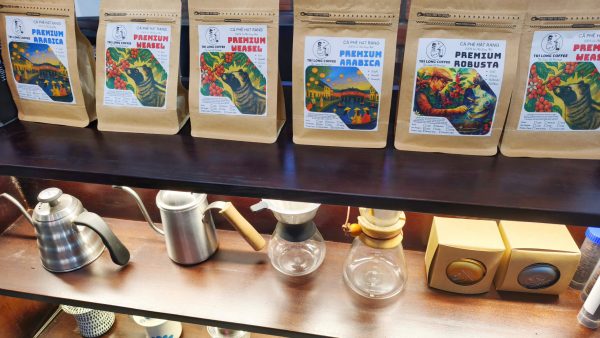
Coffee Equipment and Technical Support
Tri Long also provides equipment for people and businesses working with coffee.
The range includes coffee roasting machines, grinders and espresso machines, as well as repair and technical support.
This connects another part of the coffee journey: from selecting green beans and roasting coffee to grinding, brewing and maintaining the equipment used to prepare it.
For someone interested in coffee as a profession, this broader perspective can provide a better understanding of what happens behind a café counter.
A Spacious Roastery in a Quiet Part of Hoi An
Tri Long Coffee Roastery is located at 25 Thích Quảng Đức, Hội An Tây Ward, Da Nang City.
The roastery is in a spacious and relatively quiet location with convenient parking. The space can accommodate groups of up to around 50 people, making it suitable not only for individual travellers but also for private groups and organised tours.
Visitors can come to learn about coffee, join a coffee roasting or Vietnamese coffee making class, taste different drinks, or simply spend some time exploring a working local roastery.
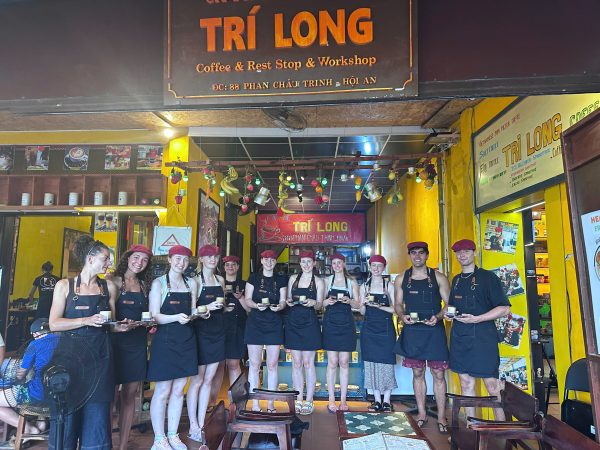
Experience Vietnamese Coffee from Bean to Cup
Vietnamese coffee culture is often associated with the strong flavour of Robusta, condensed milk and the slow drip of a Phin filter.
But there is much more behind that familiar cup.
Understanding Vietnamese coffee means looking at the beans, growing regions, roasting process, blending, grinding, brewing equipment and the culture of enjoying coffee.
At Tri Long Coffee Roastery, visitors can explore these different stages in one place.
From selected green beans from Đà Lạt and the Central Highlands, to daily roasting, grinding, brewing and tasting, the experience offers a closer look at how Vietnamese coffee moves from bean to cup.
If you want to go beyond simply drinking Vietnamese coffee in Hoi An, learning how it is roasted and made can be a more hands-on way to discover the story behind your cup.
Join a Coffee Roasting or Vietnamese Coffee Making Class in Hoi An
Tri Long Coffee Roastery offers coffee experiences for visitors who want to learn more about Vietnamese coffee.
You can explore the roasting process, learn about Vietnamese coffee beans, practise traditional brewing methods and make your own Vietnamese coffee inside a working local roastery.
For those who are more interested in roasting, advanced coffee roasting classes provide an opportunity to learn more deeply about green beans, roasting development and flavour.
For travellers looking for a practical introduction to Vietnamese coffee, coffee making classes offer a hands-on way to learn how to prepare traditional Vietnamese drinks.
All classes take place directly at Tri Long Coffee Roastery, where the coffee, equipment and working environment are part of the experience.