
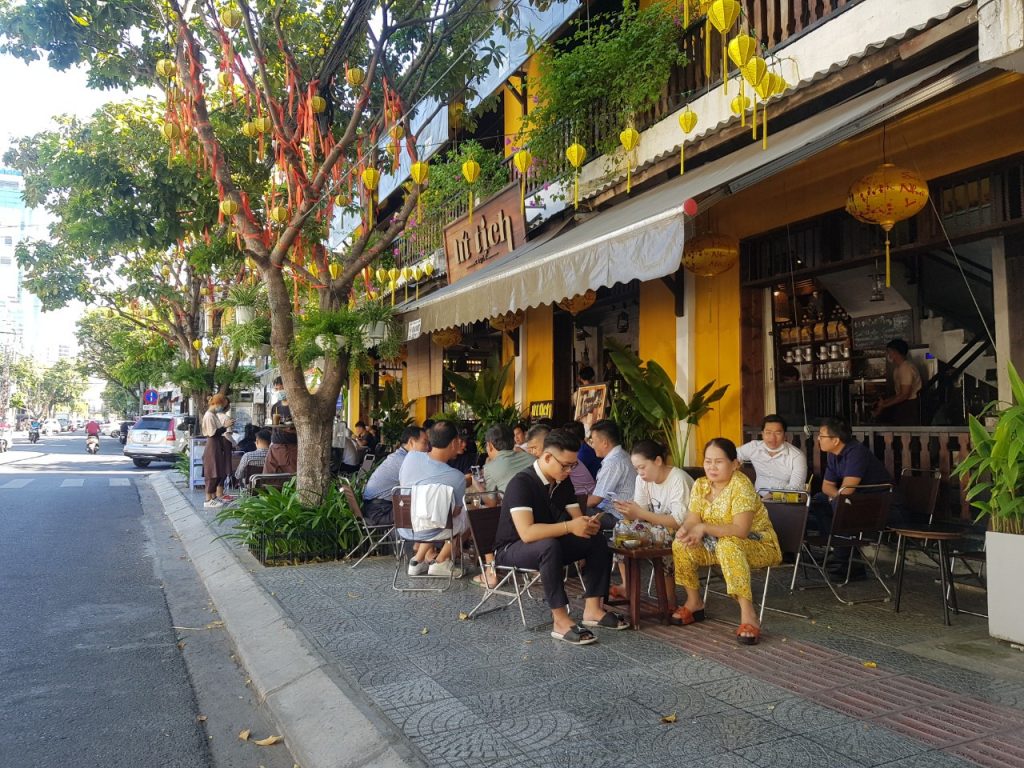
Vietnam is one of the world’s most famous coffee-producing countries, but coffee in Vietnam is about much more than growing and drinking beans. It is a daily ritual, a social activity, and an important part of local life.
From small street-side cafés to modern coffee shops, you will find Vietnamese people enjoying coffee throughout the day. Strong coffee brewed through a traditional phin filter, sweetened condensed milk, and creative drinks such as egg coffee, salt coffee, and coconut coffee have become distinctive symbols of Vietnam.
If you are visiting Vietnam and want to understand the local lifestyle, experiencing its coffee culture is a great place to start.
Vietnam coffee culture is deeply connected to the country’s history, daily routines, and social life.
What Makes Vietnam Coffee Culture Special?
To understand Vietnam coffee culture, you need to look beyond the coffee itself and discover how Vietnamese people enjoy it.
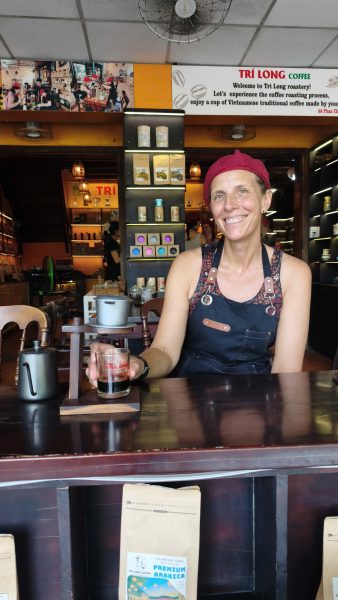
Vietnamese coffee culture developed through a combination of history, local ingredients, and everyday social habits.
Coffee was introduced to Vietnam during the French colonial period in the 19th century. Over time, Vietnamese people developed their own ways of roasting, brewing, and enjoying coffee.
One of the most recognizable features is the use of the phin filter. Unlike an espresso machine, a phin slowly extracts coffee directly into a cup, creating a strong and concentrated brew.
Traditionally, Vietnamese coffee is often served with sweetened condensed milk. The combination of strong, bitter coffee and creamy sweetness creates the familiar flavor known around the world as Vietnamese iced coffee.
The Traditional Vietnamese Phin Filter
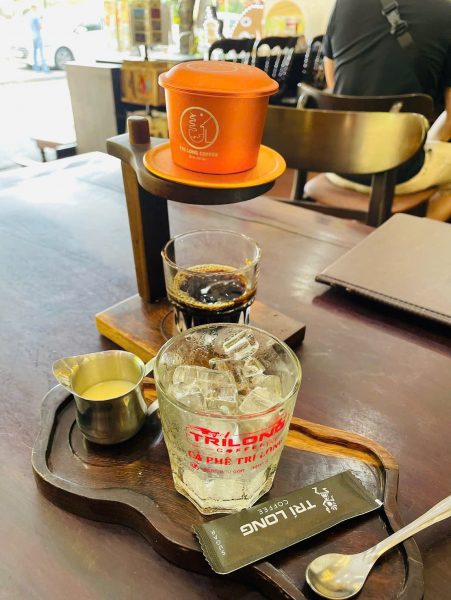
The phin is one of the most important parts of Vietnam coffee culture.
It is a small metal brewing device placed directly on top of a cup. Ground coffee is added to the phin, followed by hot water. The coffee slowly drips through the filter and into the cup below.
The process is simple, but it encourages people to slow down and enjoy the moment.
A typical Vietnamese coffee experience can look very different from grabbing a quick takeaway coffee. People often sit at a small café, talk with friends, watch the street, or simply enjoy their drink while taking a break from the day.
Vietnamese Iced Coffee: Cà Phê Sữa Đá
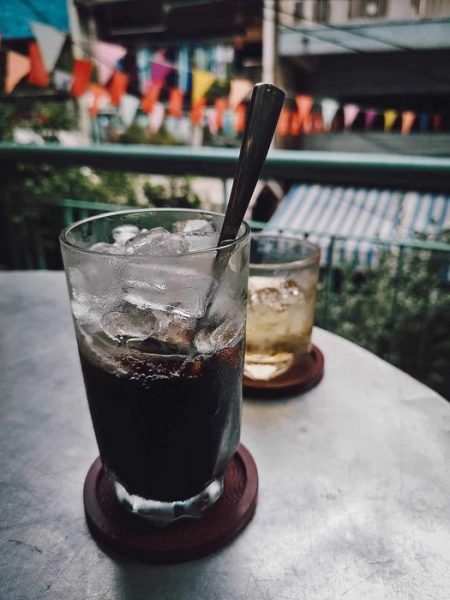
One of the most famous Vietnamese coffee drinks is cà phê sữa đá, or Vietnamese iced coffee with condensed milk.
The coffee is brewed slowly through a phin and dripped over sweetened condensed milk. Ice is then added, creating a refreshing drink with a strong coffee flavor and a rich sweetness.
For many visitors, cà phê sữa đá is one of the first Vietnamese coffee drinks they try.
It is especially popular in Vietnam’s hot and humid climate, where a glass of strong iced coffee can be the perfect way to start the morning.
Egg Coffee: A Unique Vietnamese Creation
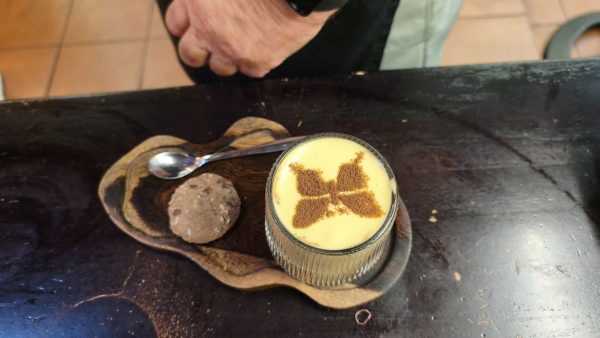
Vietnamese coffee culture is also known for its creativity.
Egg coffee, or cà phê trứng, is one of the country’s most distinctive coffee creations. It combines strong Vietnamese coffee with a creamy mixture made from egg yolk and other ingredients.
The result is rich, smooth, and dessert-like.
Egg coffee is particularly associated with Hanoi, where the drink became famous. Today, you can find different versions of egg coffee in cafés throughout Vietnam.
For travelers, trying egg coffee is not simply about tasting a new drink. It is also a way to discover how Vietnamese people have adapted coffee to local tastes and ingredients.
Salt Coffee: From Hue to Vietnam
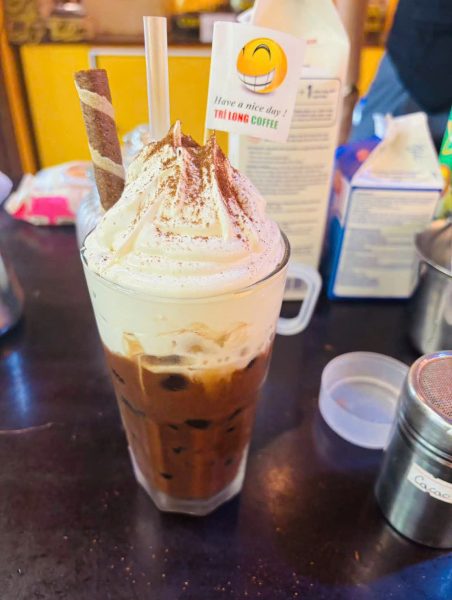
Another creative Vietnamese coffee is salt coffee, or cà phê muối.
As the name suggests, a small amount of salt is combined with a creamy mixture and served with strong Vietnamese coffee. Rather than making the coffee taste simply salty, the salt can help balance bitterness and enhance the overall flavor.
Salt coffee became particularly associated with Hue and has since become popular in other parts of Vietnam.
It is a good example of how Vietnamese coffee culture continues to evolve while keeping its traditional foundation.
Coconut Coffee: Coffee with a Tropical Twist
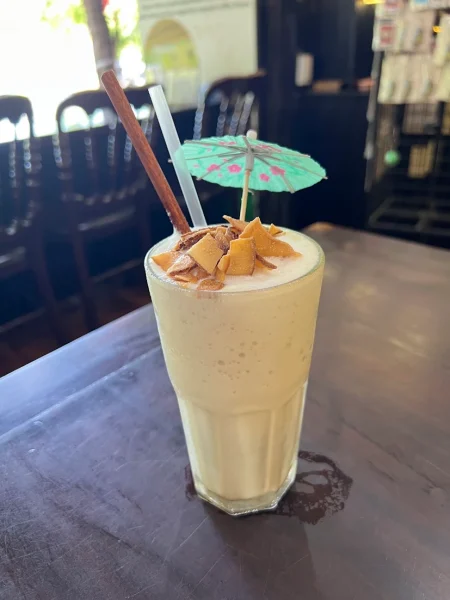
Vietnam is also famous for its tropical ingredients, so it is no surprise that coconut has found its way into Vietnamese coffee.
Coconut coffee, or cà phê dừa, combines Vietnamese coffee with coconut milk or coconut cream and ice. Depending on the recipe, it can be smooth, creamy, sweet, and refreshing.
The contrast between strong coffee and tropical coconut creates a drink that is especially enjoyable in Vietnam’s warm weather.
Coffee Is a Social Experience
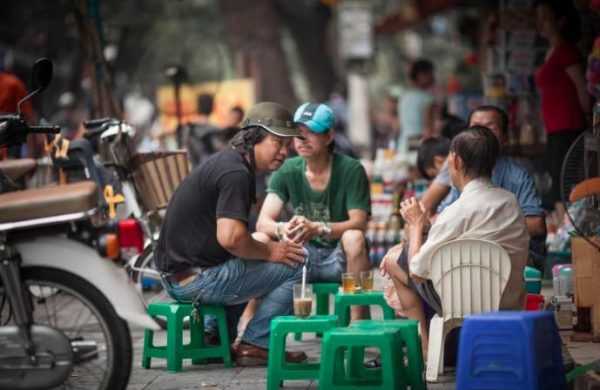
One of the most important things to understand about Vietnam coffee culture is that coffee is not only about the drink.
Cafés are places where people meet friends, have conversations, work, read, relax, or watch everyday life.
In many Vietnamese cities, you can find cafés almost everywhere. Some are modern and stylish, while others are simple sidewalk cafés with tiny plastic stools.
Both can be part of the same coffee culture.
A Vietnamese coffee shop does not necessarily need to be fancy. Sometimes, the simplest café offers one of the most authentic ways to experience local life.
Coffee Culture in Hoi An
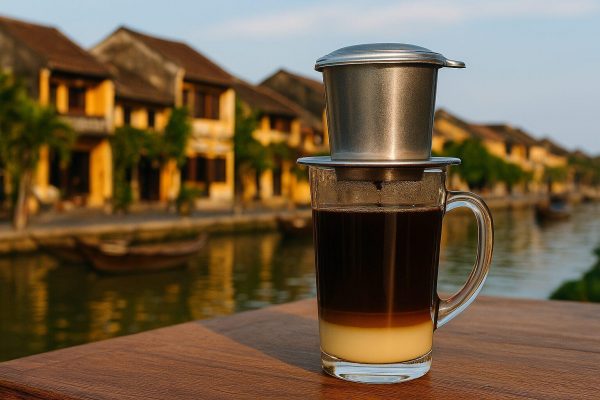
Hoi An offers a particularly charming setting for discovering Vietnamese coffee culture.
After exploring the ancient streets, visitors can sit at a local café, enjoy a traditional phin coffee, and watch the rhythm of everyday life.
Beyond the Old Town, Hoi An’s countryside also provides a different perspective on local life. In areas such as Cam Kim, coffee experiences can be combined with stories about Vietnamese ingredients, local traditions, and the people behind the coffee.
For travelers who want more than simply ordering a cup of coffee, learning how Vietnamese coffee is roasted, ground, and brewed can make the experience much more meaningful.
Why Vietnamese Coffee Is So Strong
Vietnamese coffee is often described as strong, bold, and intense.
One reason is the traditional roasting and brewing style. Robusta coffee beans are also widely used in Vietnam. Compared with Arabica, Robusta generally has a stronger, more bitter flavor and higher caffeine content.
The slow extraction through a phin produces a concentrated cup of coffee. When combined with condensed milk, the result is a powerful but balanced drink.
This combination has helped create the distinctive taste associated with Vietnamese coffee.
How to Experience Vietnamese Coffee Like a Local
If you want to explore Vietnam coffee culture during your trip, here are a few simple things you can try:
- Order a traditional phin coffee and watch it slowly drip.
- Try cà phê sữa đá for the classic Vietnamese coffee experience.
- Taste egg coffee if you enjoy creamy and dessert-like flavors.
- Try salt coffee to discover a different balance of bitterness and sweetness.
- Have coconut coffee for a refreshing tropical variation.
- Visit a local café instead of only choosing international coffee chains.
- Learn how Vietnamese coffee is roasted and brewed to understand where the flavor comes from
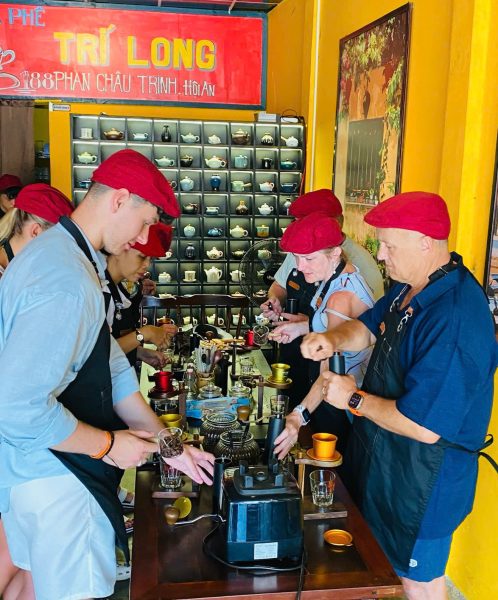
Experience Vietnamese Coffee in Hoi An
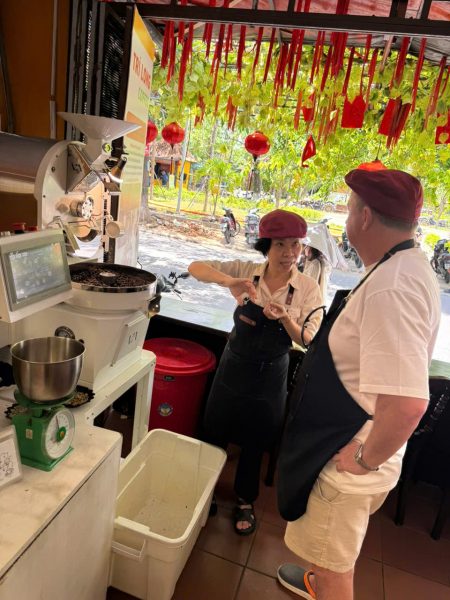
If you want to go beyond simply drinking Vietnamese coffee, a hands-on coffee experience can help you understand the culture from another perspective.
At Trí Long Coffee, visitors can discover how Vietnamese coffee moves from green beans to roasted coffee before learning traditional brewing techniques.
During the experience, you can learn about Vietnamese coffee culture, see the coffee roasting process, grind coffee beans, and prepare different Vietnamese coffee drinks using traditional equipment.
It is an opportunity to taste Vietnamese coffee while also learning the stories, techniques, and traditions behind each cup.
Final Thoughts
Vietnam coffee culture is a combination of history, craftsmanship, creativity, and everyday life.
From the slow drip of a traditional phin to the creamy texture of egg coffee and the refreshing taste of coconut coffee, Vietnamese coffee offers much more than caffeine.
The next time you visit Vietnam, don’t just order a coffee and leave.
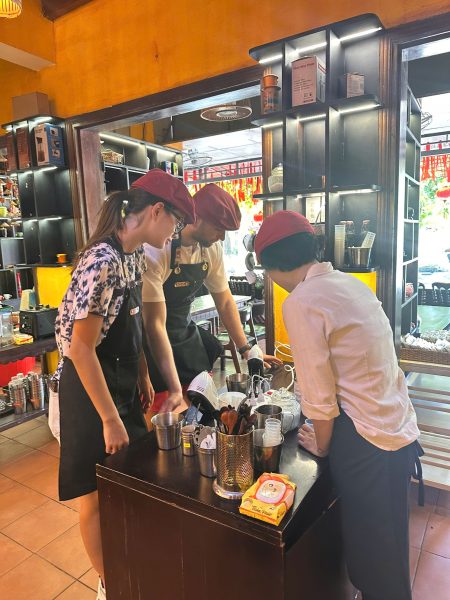
Sit down. Watch the coffee drip. Talk with a local. Try a different style. And take a moment to experience coffee the Vietnamese way.
Because in Vietnam, coffee is not just a drink — it is part of the culture.