
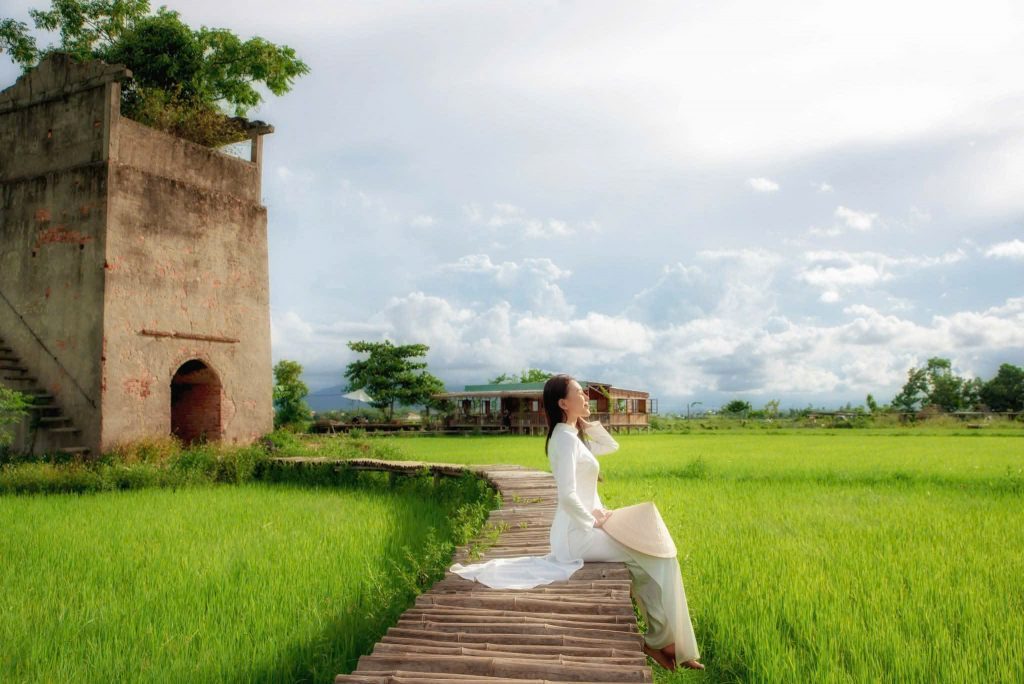
Vietnam is a country with a rich cultural heritage, shaped by thousands of years of history, traditions, and the diverse lifestyles of its people. From traditional festivals and family values to local cuisine and everyday customs, Vietnamese culture is reflected in almost every aspect of daily life.
November 24 is a special day to celebrate and appreciate this cultural identity. Known as Vietnam Culture Day, it is an opportunity to recognize the importance of preserving traditions, sharing cultural values, and introducing the beauty of Vietnam to the world.
But what makes Vietnamese culture so special? Let’s explore some of the traditions and everyday experiences that make Vietnam unique.
1. What Is Vietnam Culture Day on November 24?
November 24 is officially recognized as Vietnam Culture Day, following a resolution passed by the National Assembly in April 2026. It is a national paid public holiday, encouraging people across the country to participate in cultural activities and appreciate Vietnam’s cultural heritage.
The date was chosen to commemorate November 24, 1946, when the first National Cultural Conference was held in Hanoi, under the chairmanship of President Ho Chi Minh.
The conference highlighted the important role of culture in the development of the nation. Since then, the idea that culture is an essential part of national identity has continued to inspire generations of Vietnamese people.
Vietnam Culture Day is not only about looking back at history. It is also about keeping traditions alive, appreciating cultural diversity, and passing meaningful values on to future generations.
2. The Beauty of Vietnamese Culture and Traditions
Vietnamese culture is diverse and deeply connected to the country’s history, family life, and local communities. Some traditions have been passed down for generations, while others continue to evolve with modern life.
Here are a few beautiful aspects of Vietnamese culture worth discovering.
Traditional Clothing – The Vietnamese Ao Dai
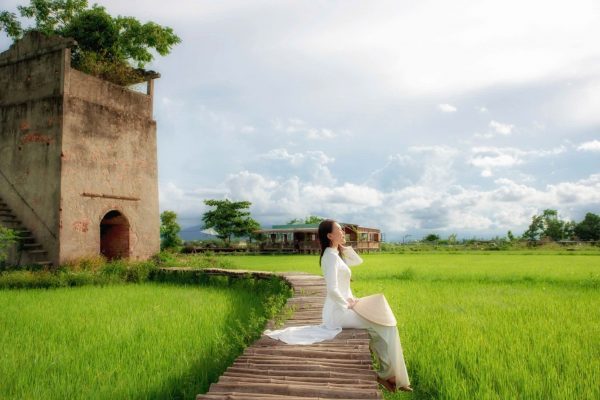
The Ao Dai is one of the most recognizable symbols of Vietnam. This elegant traditional outfit, with its long flowing tunic and fitted silhouette, represents grace, beauty, and Vietnamese identity.
Today, the Ao Dai is commonly worn during important celebrations, weddings, cultural events, and school ceremonies. It is also a popular choice for visitors who want to experience a part of Vietnamese tradition.
Family Values and Respect for Ancestors
Family plays an important role in Vietnamese society. Respect for parents and grandparents, caring for one another, and maintaining close family relationships are values that many Vietnamese people grow up with.
One meaningful tradition is ancestor worship. Many Vietnamese families have an ancestral altar at home, where they offer incense, flowers, and food to remember and honor their ancestors.
During Lunar New Year, family members often gather from different places to celebrate together, share meals, and pay respect to previous generations.
Traditional Festivals and Celebrations
Vietnam has many festivals throughout the year, reflecting its history, beliefs, and regional diversity.
Lunar New Year, known as Tet, is the most important traditional celebration. Families clean and decorate their homes, prepare traditional dishes, visit relatives, and welcome the new year together.
The Mid-Autumn Festival is another beloved occasion, especially for children. Colorful lanterns, mooncakes, lion dances, and family gatherings create a joyful atmosphere in many Vietnamese communities.
These celebrations help preserve traditions while bringing people together.
Traditional Crafts and Handicrafts
Vietnam is also famous for its traditional handicrafts. For generations, local artisans have passed down skills in pottery, silk weaving, wood carving, lacquerware, and lantern making.
Each craft tells a story about the people, materials, and communities behind it.
In Hoi An, for example, colorful handmade lanterns have become one of the town’s most recognizable cultural symbols. Visitors can discover traditional craftsmanship through local workshops and meet artisans who continue to preserve these skills.
Vietnamese Cuisine – A Reflection of Culture
Food is another important part of Vietnamese identity. Vietnamese cuisine is known for its balance of flavors, fresh ingredients, herbs, and regional diversity.
From Pho and Banh Mi to fresh spring rolls and traditional family meals, each dish reflects local ingredients and cooking traditions.
Food is also closely connected to hospitality. Sharing a meal is one of the simplest ways Vietnamese people express warmth, friendship, and care for others.
4. A Cup of Phin Coffee – A Small but Meaningful Part of Vietnamese Culture
Coffee has become an important part of everyday life in Vietnam. From busy city streets to quiet countryside towns, local coffee shops are places where people meet, talk, work, and relax.
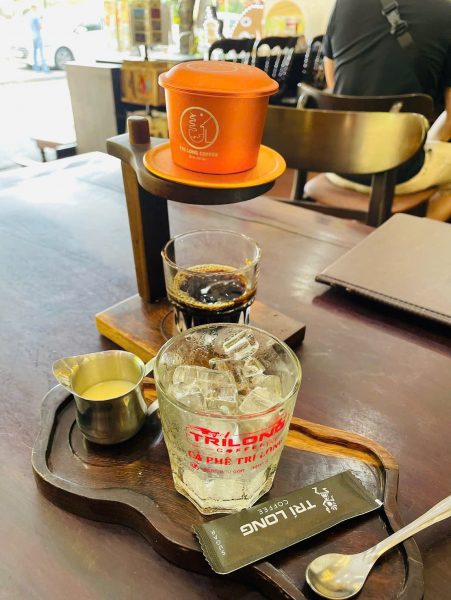
One of the most distinctive traditions is preparing coffee with a small metal filter called a phin.
Unlike modern coffee machines that prepare a drink in seconds, the traditional phin allows hot water to slowly pass through ground coffee, producing a rich and aromatic brew.
Many Vietnamese people enjoy their coffee black or with sweet condensed milk. Iced milk coffee, commonly known as ca phe sua da, is especially popular in the country’s warm climate.
For locals, drinking coffee is often more than just enjoying a beverage. It is a daily ritual – a moment to slow down, read the news, meet friends, or simply watch the world go by.
Although modern coffee trends continue
5. Experience Vietnamese Culture Through a Cup of Coffee in Hoi An
Understanding a country’s culture is not only about reading books or visiting historical attractions. Sometimes, the best way to understand a place is to take part in its everyday traditions.
If you are visiting Hoi An and love coffee, why not discover Vietnamese coffee culture through a hands-on experience?
At Tri Long Coffee, we welcome coffee lovers to explore the journey from green coffee beans to a freshly brewed cup.
During our Vietnamese Coffee Making Class, you will have the opportunity to:
- Learn about different types of Vietnamese coffee beans and their characteristics.
- Discover the real coffee roasting process at our local roastery.
- Learn how to grind coffee and prepare it using traditional brewing methods.
- Practice making popular Vietnamese drinks, including Phin Coffee, Coconut Coffee, Salt Coffee, and Egg Coffee.
- Understand the stories and traditions behind some of Vietnam’s most beloved coffee drinks.
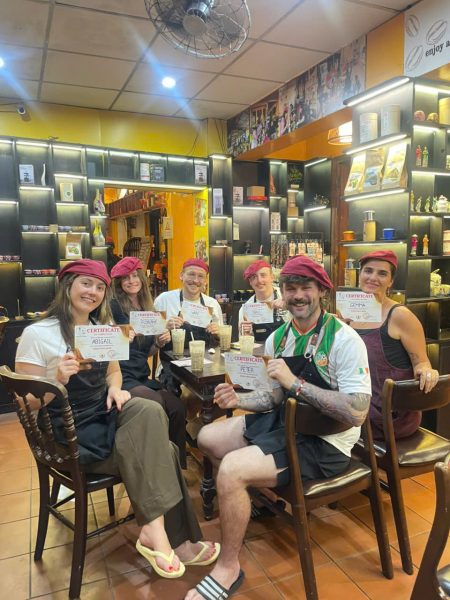
Whether you are a coffee enthusiast or simply curious about Vietnamese culture, this experience offers a different way to discover local life in Hoi An.
You don’t need any previous coffee-making experience. Just bring your curiosity and enjoy learning something new.
Celebrate Vietnamese culture, one cup of coffee at a time!
We look forward to welcoming you to Tri Long Coffee in Hoi An.
Website: https://trilongcoffee.com
WhatsApp: +84905454727