Traditional Vietnamese Coffee Explained: A Beginner’s Guide to Vietnam’s Coffee Culture
Vietnam is famous for its beautiful landscapes, delicious street food, and, of course, its unique coffee culture. But what makes traditional Vietnamese coffee so different from coffee in other parts of the world?
From the slow drip of a traditional phin filter to the rich sweetness of Vietnamese iced coffee, coffee in Vietnam is more than just a drink. It is part of everyday life, social culture, and a way of slowing down and enjoying the moment.
If you are traveling to Vietnam and want to understand Vietnamese coffee, this guide will introduce you to the history, brewing methods, popular coffee styles, and traditions behind a truly Vietnamese cup of coffee.
What Is Traditional Vietnamese Coffee?
Traditional Vietnamese coffee is known for its strong flavor, slow brewing process, and rich aroma.
Unlike espresso, which is brewed quickly under high pressure, Vietnamese coffee is traditionally prepared using a small metal filter called a phin. Hot water slowly passes through ground coffee, producing a concentrated and flavorful cup.
Vietnamese coffee is often made with robusta coffee beans, which are known for their strong body, earthy flavor, and higher caffeine content compared with arabica beans.
The result is a bold coffee with a distinctive taste that many visitors find surprisingly different from the coffee they drink at home.
What Is a Vietnamese Phin Filter?
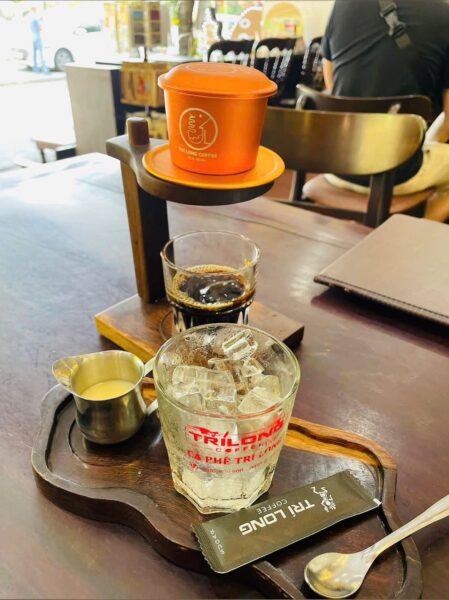
The phin filter is one of the most important parts of traditional Vietnamese coffee culture.
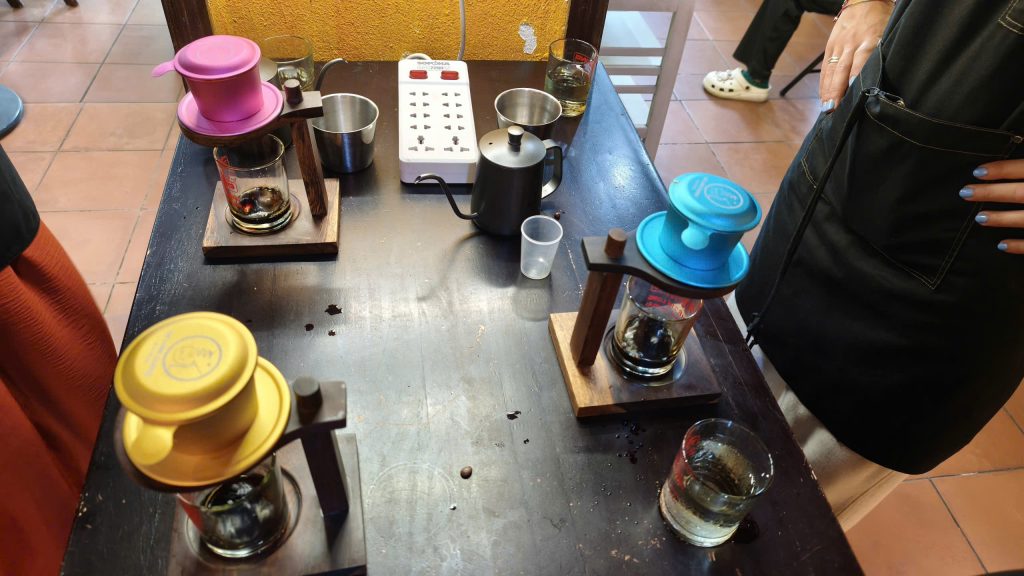
A phin is a small metal coffee filter that sits directly on top of a cup or glass. It usually consists of several simple parts: a filter chamber, a small press, a lid, and the base.
The brewing process is simple but requires patience:
- Add freshly ground coffee to the phin.
- Place the filter press on top of the coffee.
- Add a small amount of hot water and let the coffee bloom.
- Slowly add more hot water.
- Wait as the coffee gradually drips into the cup.
- Enjoy the coffee once the brewing is complete.
The slow dripping process is an important part of the experience. Instead of rushing to drink coffee, you have a few minutes to watch, smell, and appreciate it.
Why Is Vietnamese Coffee So Strong?
One reason Vietnamese coffee is famous around the world is its strong and intense flavor.
Vietnam has traditionally produced large quantities of robusta coffee, particularly in the Central Highlands. Robusta beans generally contain more caffeine than arabica and have a stronger, more intense character.
Vietnamese roasting methods can also create a deep, rich flavor. Traditionally, coffee may be roasted with ingredients that contribute to its distinctive aroma and body.
The combination of robusta beans, dark roasting, fine grinding, and slow phin brewing creates the characteristic taste associated with traditional Vietnamese coffee.
Vietnamese Coffee With Condensed Milk
One of the most famous Vietnamese coffee drinks is cà phê sữa — Vietnamese coffee with sweetened condensed milk.
Because traditional Vietnamese coffee can be very strong and bitter, sweetened condensed milk creates a delicious contrast. The bitterness of the coffee combines with the creamy sweetness of the milk to create a rich and balanced drink.
The traditional preparation is simple:
Strong phin coffee + sweetened condensed milk = Vietnamese milk coffee
When served over ice, it becomes cà phê sữa đá, one of the most popular Vietnamese coffee drinks.
For many travelers, trying a glass of cà phê sữa đá is an essential part of visiting Vietnam.
Vietnamese Iced Coffee: Cà Phê Sữa Đá
If you visit Vietnam during a hot day, you will quickly understand why cà phê sữa đá is so popular.
Freshly brewed phin coffee is poured over sweetened condensed milk and ice. The result is cold, sweet, strong, and refreshing.
You can find Vietnamese iced coffee almost everywhere — from small street-side cafés to modern specialty coffee shops.
In cities such as Hanoi, Ho Chi Minh City, and Hoi An, sitting at a small café with a glass of cà phê sữa đá is a wonderful way to experience everyday Vietnamese life.
Vietnamese Egg Coffee
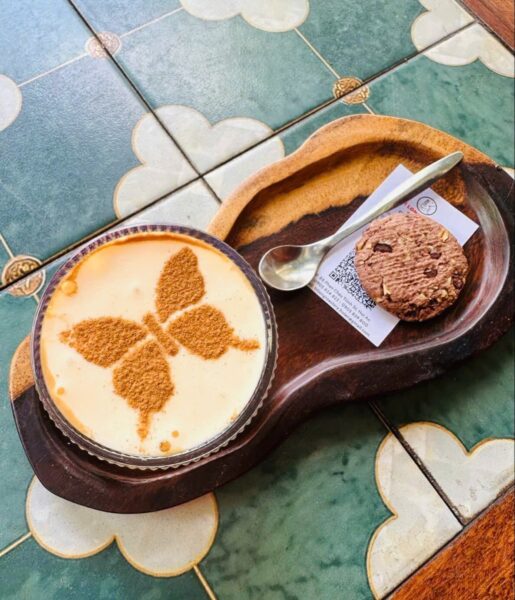
Another famous Vietnamese coffee is cà phê trứng, or Vietnamese egg coffee.
This unique drink was created in Hanoi and combines strong Vietnamese coffee with a creamy mixture made from egg yolk and sugar.
The result is rich, smooth, and dessert-like.
If you enjoy sweet drinks and want to try something unusual, Vietnamese egg coffee is definitely worth trying during your trip.
Vietnamese Salt Coffee
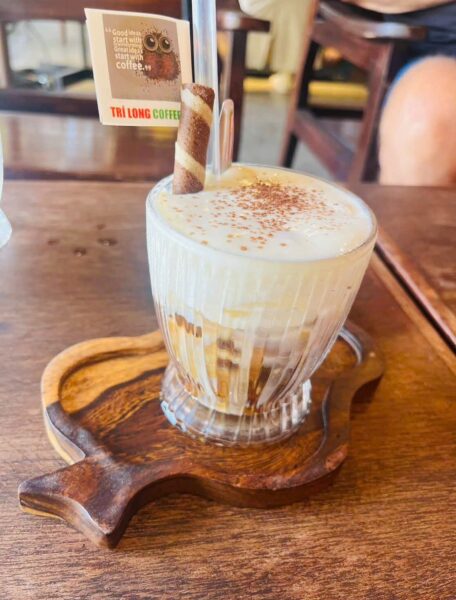
Another interesting modern Vietnamese coffee style is cà phê muối, or Vietnamese salt coffee.
Salt coffee may sound unusual at first, but the small amount of salt helps balance bitterness and enhance the sweetness and flavor of the coffee.
It is commonly served with a creamy salted topping and strong Vietnamese coffee underneath.
For travelers who want to discover something beyond traditional milk coffee, Vietnamese salt coffee is a fun and memorable choice.
Vietnamese Coffee Culture: More Than Just a Drink
Coffee in Vietnam is not simply about caffeine.
For many Vietnamese people, drinking coffee is a social activity and part of their daily routine.
Friends meet at cafés to talk. People sit quietly and watch the streets. Business conversations happen over coffee. Couples spend time together at cafés. Some people simply enjoy a few peaceful minutes before starting their day.
The Vietnamese café is therefore not just a place to buy coffee. It is a place to slow down, connect, and observe everyday life.
This is one reason Vietnamese coffee culture can feel so different from coffee culture in other countries.
Why Is Vietnamese Coffee Brewed Slowly?
The slow brewing process of the phin is an important part of Vietnamese coffee culture.
A phin does not produce coffee instantly. You need to wait while the water slowly passes through the grounds.
For visitors, this can be an enjoyable part of the experience.
You can watch the coffee drip, smell the freshly brewed coffee, and learn how the flavor changes as the brewing continues.
In a world where coffee can be prepared in seconds, the Vietnamese phin encourages you to slow down.
How to Make Traditional Vietnamese Coffee at Home
You do not need an expensive espresso machine to make Vietnamese coffee at home.
All you need is:
- Vietnamese coffee
- A phin filter
- Hot water
- Sweetened condensed milk, if desired
- Ice, for Vietnamese iced coffee
Start by placing the phin on top of your cup. Add the ground coffee and gently press it with the filter. Add a little hot water first and allow the coffee to bloom.
Then slowly add more hot water and let the coffee drip.
Once the brewing is finished, add condensed milk if you want to make cà phê sữa. For iced coffee, add ice and enjoy.
The exact amount of coffee, water, and condensed milk can be adjusted according to your personal taste.
What Makes Vietnamese Coffee Special?
There are many types of coffee around the world, so what makes Vietnamese coffee special?
It is the combination of several things:
The beans – Vietnam is one of the world’s major coffee-producing countries, especially known for robusta.
The phin – This simple metal filter creates a slow and distinctive brewing method.
The flavors – Strong coffee combined with condensed milk, ice, egg, or even salt creates drinks that are uniquely Vietnamese.
The culture – Coffee is connected to conversation, relaxation, family, friends, and everyday life.
The experience – Vietnamese coffee encourages you to slow down and enjoy the moment.
Experience Traditional Vietnamese Coffee in Hoi An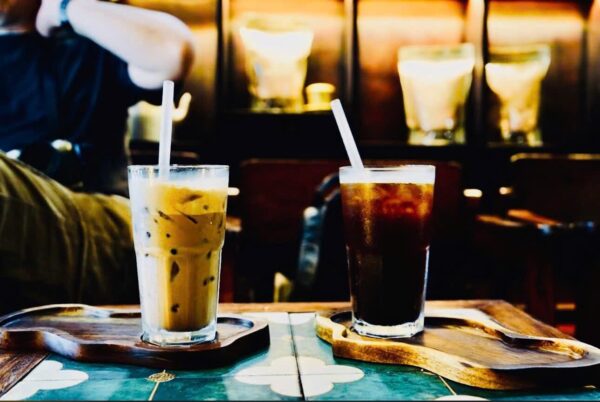
If you are visiting Hoi An, one of the best ways to understand Vietnamese coffee is not simply to drink it, but to learn how it is made.
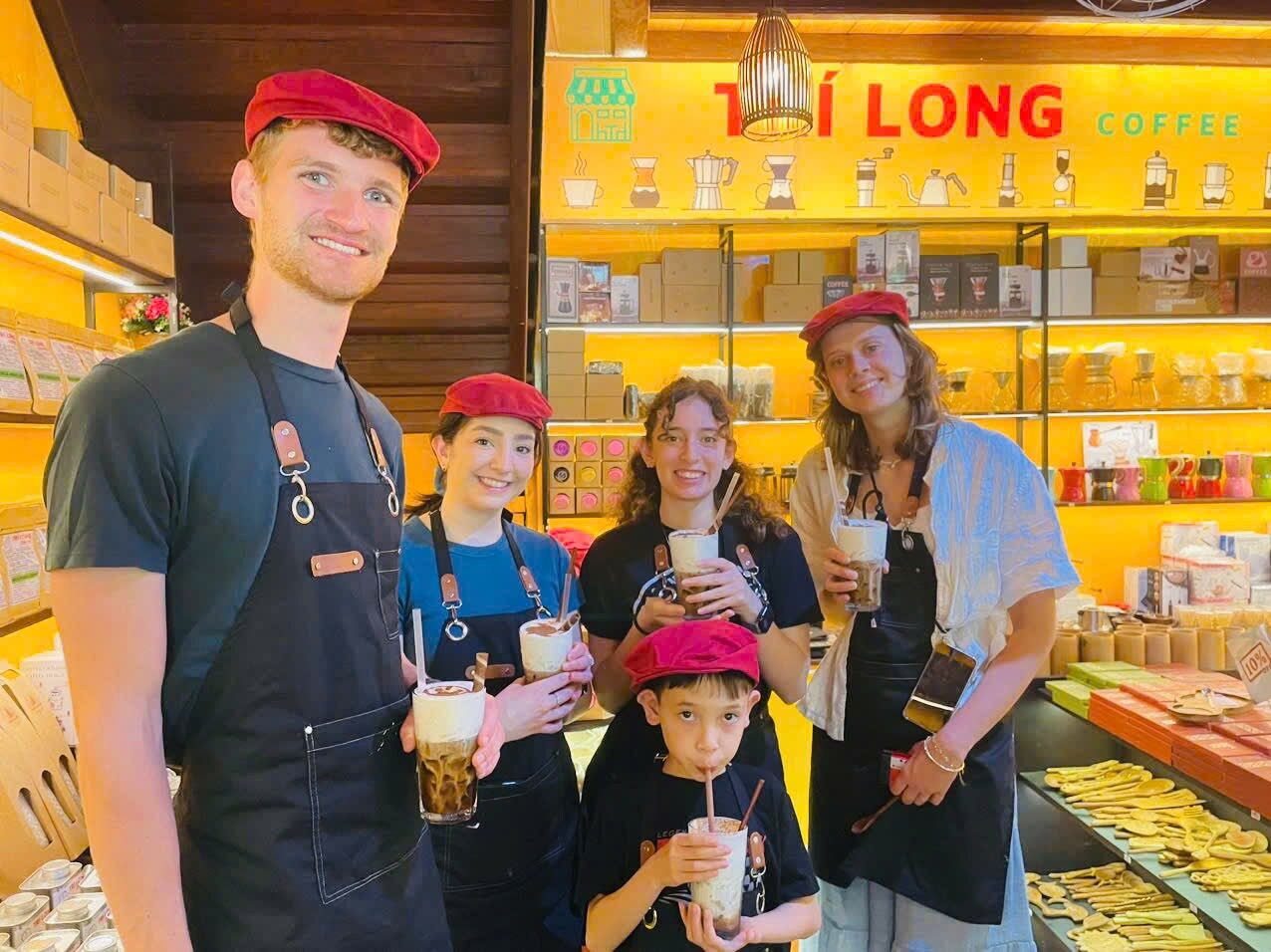
At Trí Long Coffee & Local Life, we invite travelers to discover Vietnamese coffee through a hands-on coffee-making experience.
During the class, you can learn about Vietnamese coffee, discover how coffee is roasted and ground, explore the traditional phin brewing method, and prepare your own Vietnamese coffee.
You can also discover popular Vietnamese coffee styles such as phin coffee and Vietnamese salt coffee, while learning more about the culture and traditions behind each drink.
The experience is designed for travelers who want to do something different in Hoi An — especially on a rainy day or when you have a little free time between exploring the Old Town.
At the end of the experience, you can enjoy the coffee you have prepared and take home the knowledge and recipes to recreate Vietnamese coffee for your family and friends.
Final Thoughts: Discover Vietnam One Cup at a Time
Traditional Vietnamese coffee is more than a strong cup of coffee.
It tells a story about Vietnam’s coffee-growing regions, local traditions, café culture, and the Vietnamese way of enjoying everyday moments.
Whether you try a classic cà phê sữa đá, a creamy egg coffee, a refreshing salt coffee, or slowly brew your own coffee with a phin, each cup offers a small taste of Vietnamese culture.
So when you visit Vietnam, don’t just order a coffee.
Take a seat. Watch the phin drip. Take your time. And enjoy Vietnam, one cup at a time. ☕🇻🇳
Frequently Asked Questions About Traditional Vietnamese Coffee
Is Vietnamese coffee very strong?
Yes. Traditional Vietnamese coffee is usually strong and concentrated, especially when brewed with robusta beans using a phin filter.
What is a phin filter?
A phin is a small Vietnamese metal coffee filter used to brew coffee slowly. It is one of the most traditional ways to prepare Vietnamese coffee.
What is cà phê sữa đá?
Cà phê sữa đá is Vietnamese iced coffee made with strong phin coffee, sweetened condensed milk, and ice.
What is Vietnamese salt coffee?
Vietnamese salt coffee, or cà phê muối, combines strong Vietnamese coffee with a lightly salted creamy topping. The salt helps balance the bitterness and enhance the coffee’s flavor.
Can I make Vietnamese coffee at home?
Yes. With Vietnamese coffee, a phin filter, hot water, and optionally condensed milk, you can easily prepare Vietnamese coffee at home.
Where can I experience Vietnamese coffee in Hoi An?
Travelers visiting Hoi An can join a hands-on Vietnamese coffee-making experience at Trí Long Coffee & Local Life to learn about Vietnamese coffee culture and prepare traditional coffee themselves.