
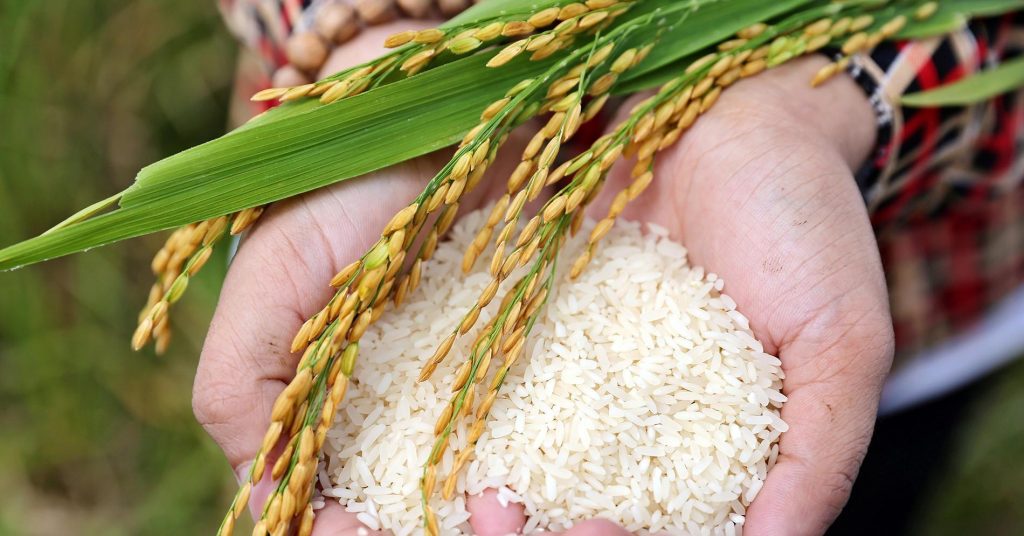
If you visit Vietnam, you may notice something interesting: rice appears almost everywhere. From family dining tables and small local restaurants to traditional markets and street food stalls, rice is an essential part of everyday life.
For many Vietnamese people, a meal does not feel complete without a bowl of steamed rice. Whether it is breakfast, lunch, or dinner, rice has been part of Vietnamese eating habits for generations.
But have you ever wondered why Vietnamese people eat so much rice? Is it simply because Vietnam is an agricultural country, or is there a deeper cultural meaning behind this familiar grain?
Let’s explore the history, traditions, and everyday habits that make rice such an important part of Vietnamese food culture.
1. Vietnam Has a Long History of Rice Cultivation
One of the main reasons rice is so important in Vietnam is the country’s long agricultural history.
Vietnam has a tropical climate, abundant rivers, and fertile plains that provide suitable conditions for growing rice. Two of the country’s most important rice-growing regions are the Red River Delta in the north and the Mekong Delta in the south.
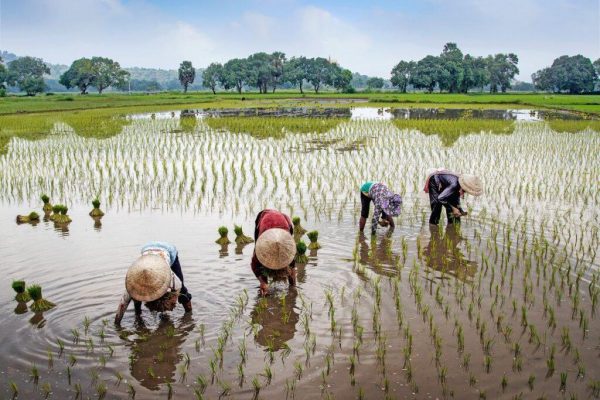
For thousands of years, Vietnamese communities have depended on wet rice cultivation. Farmers learned how to manage water, build irrigation systems, prepare the land, plant rice seedlings, and harvest crops according to the seasons.
Rice farming was not just a way to produce food. It also influenced how villages developed, how people worked together, and how communities organised their daily lives.
In the past, farming often required cooperation between family members and neighbours. People shared agricultural knowledge, helped one another during planting and harvesting seasons, and celebrated successful harvests together.
This long relationship between people and rice helped shape Vietnamese culture over many generations.
2. Rice Is More Than Food – It Represents Life and Hard Work
In Vietnamese culture, rice represents much more than something to eat.
For previous generations, a bowl of rice was the result of months of hard work. Farmers had to prepare the fields, grow the seedlings, take care of the crops, and wait for the harvest.
Rice was precious because producing it required time, effort, and cooperation with nature.
That is why many Vietnamese families teach children not to waste rice or food. Leaving too much rice uneaten can be considered disrespectful to the hard work of farmers.
There is also a familiar Vietnamese expression: “Cơm áo gạo tiền”, which refers to the everyday necessities and financial responsibilities of life.
The word “gạo” means uncooked rice, while “cơm” refers to cooked rice. Both words are deeply connected to everyday conversations about living and making a living.
This shows how rice is not only part of Vietnamese cuisine but also part of the language and mindset of Vietnamese people.
3. A Traditional Vietnamese Meal Is Usually Built Around Rice
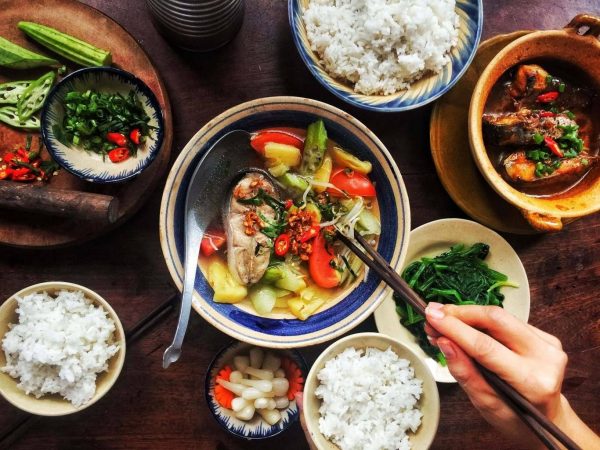
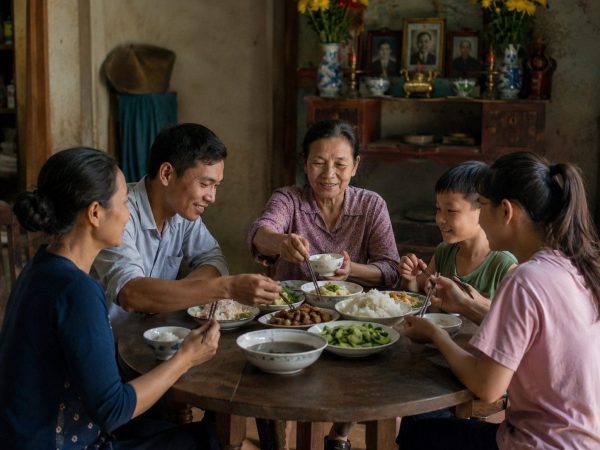
If you visit a Vietnamese family for lunch or dinner, you will probably see a rice cooker or a large bowl of steamed rice placed on the dining table.
A traditional home-cooked meal often includes several shared dishes, such as:
- A bowl of steamed white rice.
- A vegetable dish, such as boiled morning glory or stir-fried greens.
- A meat or fish dish.
- A bowl of soup.
- A small plate of fish sauce or dipping sauce.
Unlike some Western dining styles, where each person orders and eats an individual main course, Vietnamese family meals often involve sharing several dishes.
Everyone has their own small bowl of rice and uses chopsticks to take food from the shared plates.
A typical meal might include caramelised pork, fried fish, boiled vegetables, and a bowl of sour soup. Each dish has its own flavour, and steamed rice helps balance the different tastes.
For Vietnamese people, eating together is also an opportunity to talk about work, school, family, and everyday life.
The meal is not simply about satisfying hunger. It is a moment of connection.
4. Why Do Vietnamese People Say “Have You Eaten Rice Yet?”
Here is something that may surprise international visitors.
In Vietnamese, the word “cơm” is often used when talking about meals. Expressions such as “Ăn cơm chưa?” literally mean “Have you eaten rice yet?”
However, the question is not always about rice itself. It is a common way to ask whether someone has eaten or to show care and concern.
For example, parents may ask their children whether they have eaten after coming home from school. Friends or relatives may ask the same question when meeting one another.
It reflects a simple but meaningful aspect of Vietnamese culture: food is closely connected to caring for others.
Offering someone a meal, inviting a friend to eat together, or preparing an extra bowl of rice for a visitor are familiar ways of showing hospitality.
5. Rice Is Used to Make Much More Than Steamed Rice
Another interesting thing about Vietnamese food culture is the incredible variety of foods made from rice.
Vietnamese people do not only eat rice as steamed white grains. Rice can be transformed into noodles, cakes, pancakes, paper wrappers, and many other traditional dishes.
Here are some popular examples:
Phở – Vietnamese rice noodle soup
Phở is one of Vietnam’s most famous dishes. Its soft rice noodles are served in a flavourful broth, usually with beef or chicken, fresh herbs, and other seasonings.
Bánh mì – Vietnamese bread
Although bánh mì is made primarily from wheat flour rather than rice, it has become one of the most recognisable Vietnamese foods. It is a good example of how Vietnamese cuisine has developed through cultural influences.
Bánh cuốn – Steamed rice rolls
This dish is made from a thin, soft layer of fermented rice batter, usually filled with minced pork and wood ear mushrooms. It is often served with fish sauce.
Bánh xèo – Vietnamese crispy pancakes
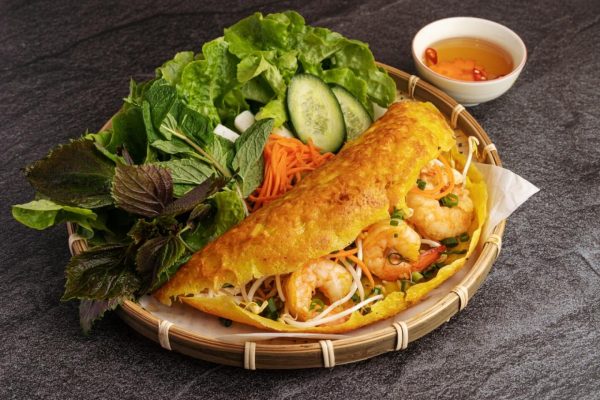
Bánh xèo is a savoury pancake made with rice flour, water, and turmeric. It is usually filled with pork, shrimp, and bean sprouts, then wrapped in fresh vegetables and herbs.
Cơm tấm – Broken rice
A popular dish in southern Vietnam, cơm tấm is made from broken rice grains and is commonly served with grilled pork, pickled vegetables, and fish sauce.
Xôi – Vietnamese sticky rice
Xôi is made from glutinous rice and can be sweet or savoury. It is commonly eaten for breakfast and is also popular during festivals and special occasions.
These dishes demonstrate how one simple agricultural crop has inspired an enormous variety of Vietnamese culinary traditions.
6. Rice Is Connected to Vietnamese Festivals and Family Traditions
Rice also plays an important role in Vietnamese celebrations.
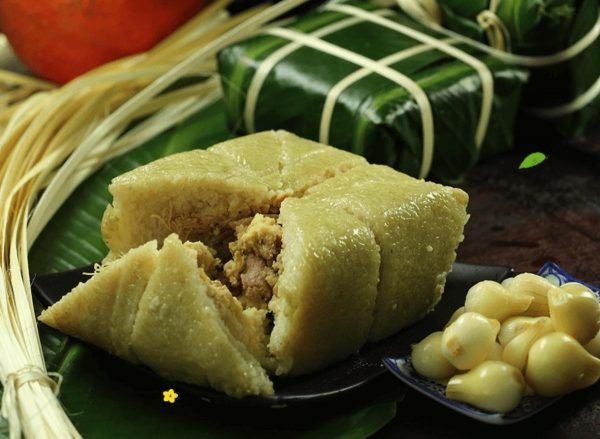
One of the best examples is bánh chưng, a traditional square sticky rice cake prepared during Tết, the Vietnamese Lunar New Year.
Bánh chưng is made from glutinous rice, mung beans, and pork, wrapped in green dong leaves and traditionally boiled for many hours.
According to a well-known Vietnamese legend, the dish represents the importance of rice and agriculture in Vietnamese life.
Families traditionally prepare bánh chưng together before Tết. Some gather around large cooking pots overnight, sharing stories while waiting for the cakes to cook.
Rice-based dishes are also found at family celebrations, ancestor commemorations, and other important occasions.
Through these traditions, rice connects generations and reminds Vietnamese people of their family roots.
7. Do Vietnamese People Eat Rice at Every Meal?
Not necessarily!
Although rice is a staple food, Vietnamese people do not always eat steamed rice three times a day.
Breakfast is a good example of this variety.
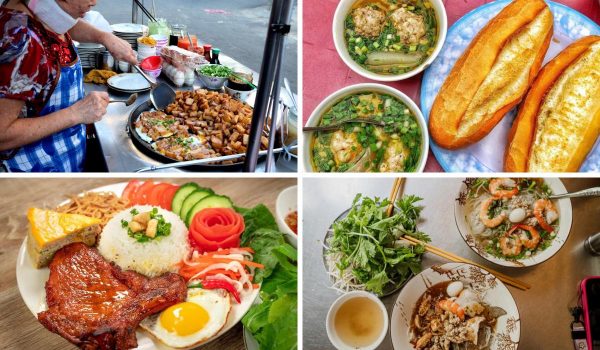
Many Vietnamese people enjoy a bowl of phở, bún bò Huế, mì Quảng, or a bánh mì sandwich in the morning. Others prefer sticky rice, rice porridge, or a simple bowl of leftover rice from the previous evening.
Lunch and dinner are more commonly associated with steamed rice, especially when people eat at home.
In addition, eating habits vary between regions, families, generations, and individuals.
For example, people living in central Vietnam may enjoy mì Quảng or cao lầu, while people in the south may prefer hủ tiếu or broken rice.
This variety makes Vietnamese cuisine interesting. Rice is at its heart, but there are countless ways to enjoy it.
8. Discover Vietnamese Culture Through Its Food
Understanding Vietnamese food culture is one of the best ways to understand the country itself.
A simple bowl of rice tells a story about agriculture, history, family relationships, hard work, and the traditions passed down through generations.
When travelling in Vietnam, don’t just visit famous restaurants. Try eating at a local family-run restaurant, explore a traditional market, or enjoy a home-style meal with several shared dishes.
You may discover that some of the most memorable travel experiences come from simple everyday moments.
And food is only one part of the story.
Vietnamese coffee is another important part of daily life. From traditional phin coffee to egg coffee, coconut coffee, and salt coffee, coffee has developed its own place in Vietnamese culture.
If you are visiting Hoi An and would like to explore more of this local tradition, you are welcome to visit Tri Long Coffee Roastery at 25 Thich Quang Duc Street.
At our local coffee roastery, you can discover different coffee beans, learn about the roasting process, and experience how Vietnamese coffee is prepared.
You can also join our Vietnamese Coffee Making Class, where you will have the opportunity to make and taste traditional Vietnamese coffee yourself.
Because sometimes, the best way to understand a country’s culture is not just to read about it, but to experience it.
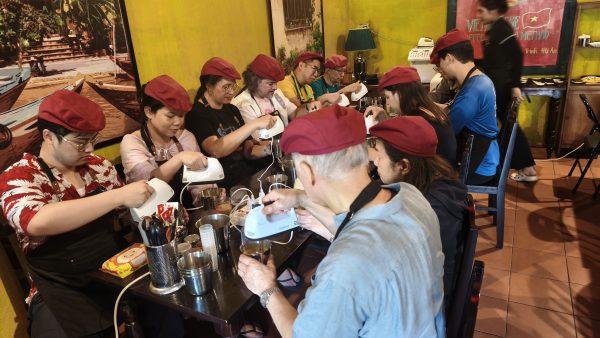
Discover more about Vietnamese coffee and local traditions at Tri Long Coffee in Hoi An.