Traditional Markets in Vietnam: Discover the Rhythm of Local Life
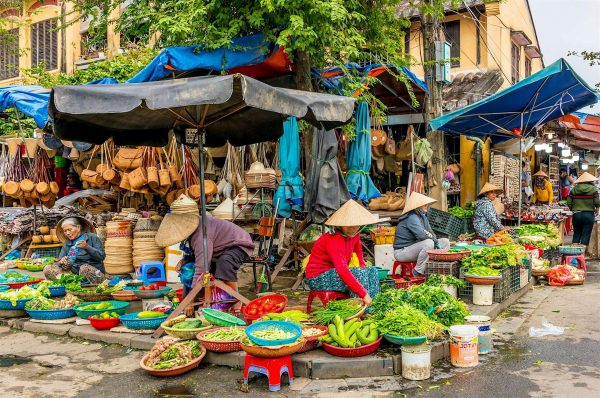
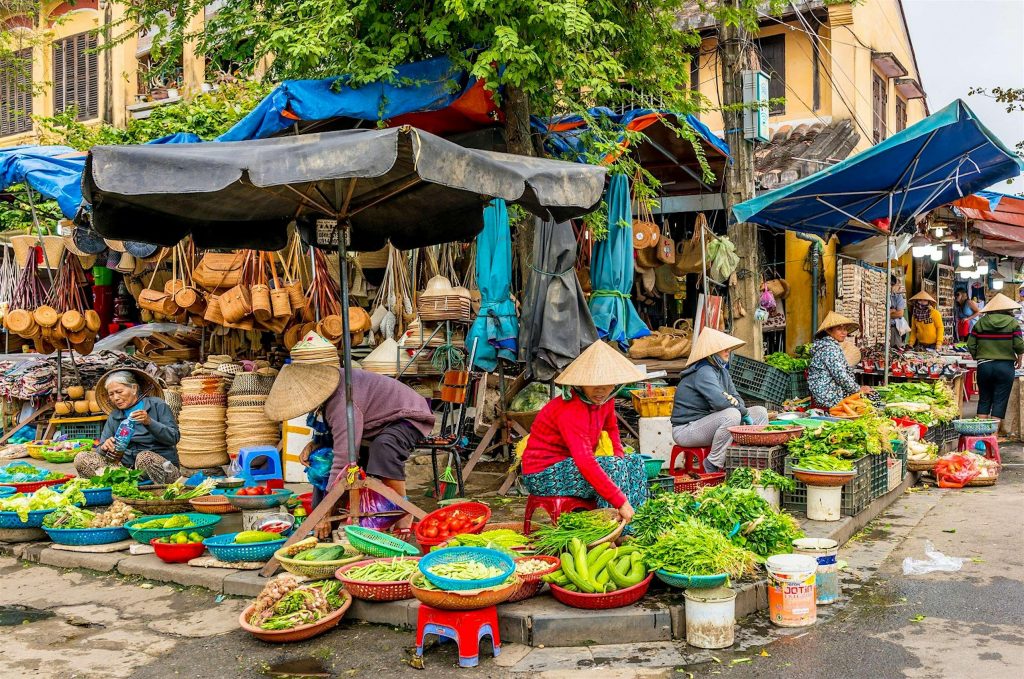
Traditional markets in Vietnam offer a fascinating way to discover local culture and everyday life. When visiting Vietnam, it is easy to spend your days exploring famous landmarks, tasting local dishes, and taking photos of beautiful streets. But if you want to understand how people really live, a traditional market is a place worth exploring.
A local market is more than a place to buy food. It is where the day begins, families shop for their meals, vendors build relationships with regular customers, and visitors can observe everyday life beyond the usual tourist attractions.
In Hoi An and many other Vietnamese towns, a visit to a traditional market offers a different perspective on local culture. You do not need a tour guide or a detailed itinerary. Sometimes, all you need is an early morning, a little curiosity, and a willingness to slow down.
1. Why Do Traditional Markets Start So Early?
In many parts of Vietnam, the day begins early, especially for people who work in food production, fishing, farming, and small businesses.
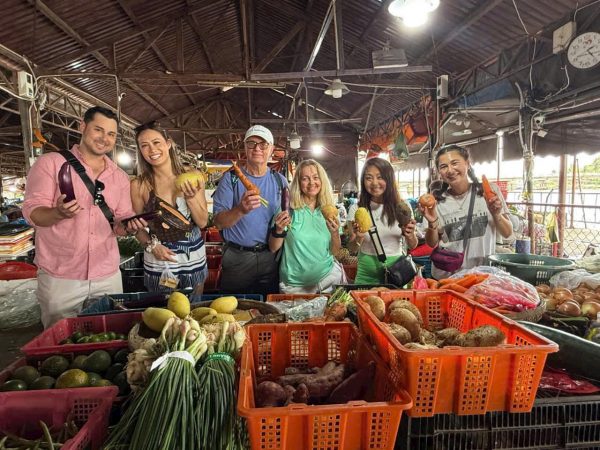
Traditional markets often become busy in the morning as fresh vegetables, herbs, seafood, meat, and other ingredients arrive. Many local residents prefer to shop early, when there is a wide selection of fresh produce and enough time to prepare meals for the day.
For visitors, the morning is an opportunity to see a different side of Vietnam. Instead of crowds gathering around tourist attractions, you may see residents carrying reusable shopping bags, vendors arranging their products, and food stalls preparing breakfast.
The atmosphere can be lively, with people talking, negotiating prices, and moving between stalls. It is an ordinary part of daily life for local residents, but an interesting cultural experience for travelers.
Travel tip: If you want to observe a traditional market at its busiest, consider visiting in the early morning. Opening hours vary by location, so check locally before you go.
2. A Market Is More Than a Place to Shop
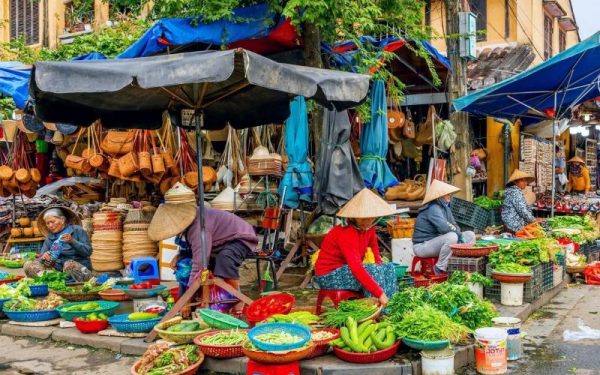
In many Vietnamese communities, traditional markets are closely connected to daily social life.
Some customers visit the same vendors regularly. Over time, sellers may become familiar with their customers’ preferences, such as the vegetables they usually buy or the ingredients they need for particular dishes.
Conversations can be just as important as transactions. People exchange greetings, ask about one another’s families, discuss the weather, or share news from the neighborhood while shopping.
These small interactions may seem unremarkable to local residents, but they offer visitors a glimpse into how relationships are maintained within a community.
Unlike a supermarket, where shopping is often quick and private, a traditional market can feel more personal. You can observe how people communicate, how vendors present their products, and how food connects people to their homes and families.
Every market has its own character, shaped by the surrounding community and the products available in that region.
3. Discover the Ingredients Behind Vietnamese Cooking
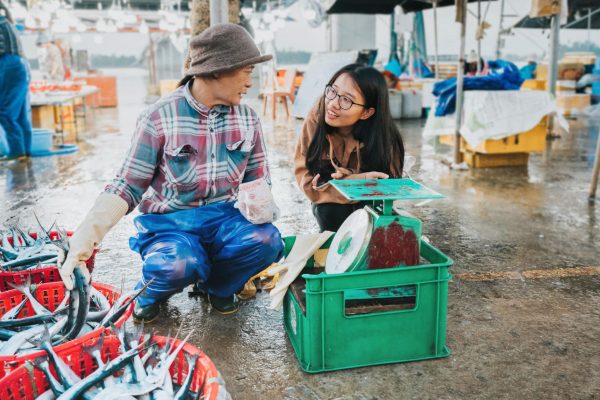
One of the most interesting things about visiting a traditional market is discovering the variety of ingredients used in Vietnamese cuisine.
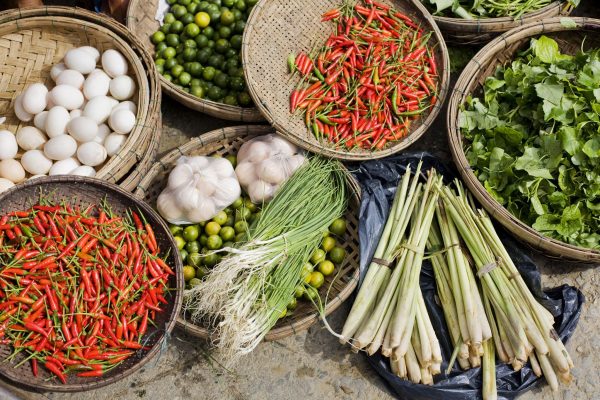
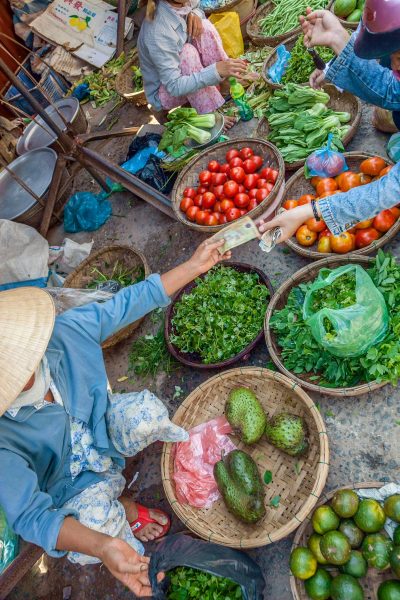
You may find bundles of fresh herbs, leafy vegetables, tropical fruits, local mushrooms, rice products, noodles, spices, and different types of seafood. Some ingredients may be familiar, while others may be completely new to you.
Vietnamese cooking often combines fresh herbs, vegetables, aromatic ingredients, and a balance of different flavors. Visiting a market can help you understand where these ingredients come from and how they appear in everyday meals.
For example, herbs such as mint, coriander, and Vietnamese coriander are used in many dishes. Depending on the region and recipe, they may accompany noodles, rice dishes, grilled meat, or fresh spring rolls.
You may also notice that ingredients change with the seasons and local availability. Coastal communities often have access to a variety of seafood, while agricultural areas may offer different vegetables and fruits.
Rather than simply looking at the ingredients, take a moment to notice their colors, smells, textures, and variety. These details can help you appreciate the relationship between local markets and Vietnamese food culture.
4. How Do Vietnamese People Choose Fresh Ingredients?
Shopping for food is a practical skill, and traditional markets provide an opportunity to observe how local residents choose ingredients.
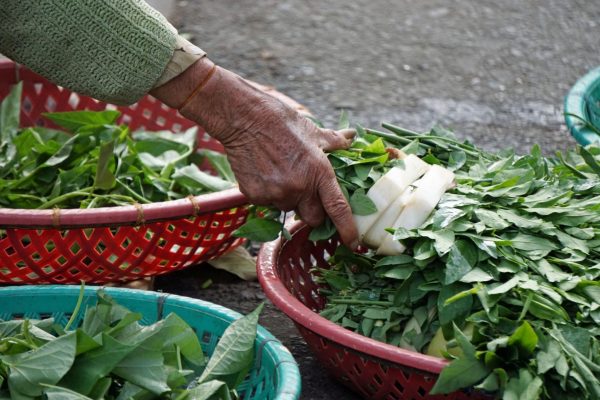
When buying vegetables, shoppers may look at the color, freshness, texture, and condition of the leaves. When selecting fruit, they may consider its ripeness, smell, firmness, and intended use.
For seafood and meat, freshness and proper handling are particularly important. Customers may ask vendors for recommendations or explain what they plan to cook.
These habits are often learned through experience. Someone who cooks the same dishes regularly may know which ingredients work best for a particular recipe or how much to buy for a family meal.
You do not need to master these skills during one market visit. Simply watching how people shop can teach you something about local food habits.
If you are interested in Vietnamese cooking, you can also ask a vendor about an unfamiliar ingredient. A friendly question may lead to a useful explanation of how it is prepared or used in local dishes.
Remember that vendors may be busy, especially during peak shopping hours. Choose a quieter moment when possible, and be respectful if someone does not have time to talk.
5. Understanding Prices and Communication at Local Markets
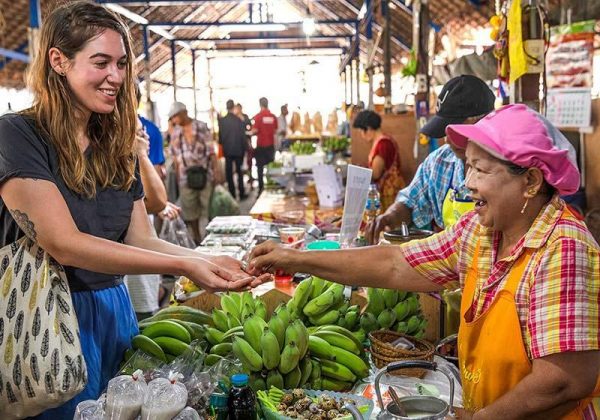
For international visitors, shopping at a traditional Vietnamese market can sometimes feel unfamiliar, particularly when products do not have clearly displayed prices.
At some stalls, customers ask the price before deciding what to buy. Bargaining may be common for certain goods, especially souvenirs and products sold without fixed prices. However, not every transaction involves bargaining, and practices vary between markets and vendors.
A friendly attitude makes the experience easier.
Here are a few useful Vietnamese phrases:
- Xin chào — Hello.
- Bao nhiêu tiền? — How much is it?
- Cho tôi một ít — Please give me a little.
- Cảm ơn — Thank you.
You can also use a calculator or your phone to communicate when there is a language barrier.
If you want to negotiate a price, do so politely and with a smile. If the price is not suitable, you can simply thank the vendor and move on. There is no need to turn a small purchase into an uncomfortable interaction.
Another useful tip is to carry some small banknotes for everyday purchases. This can make paying easier when vendors have limited change.
6. What Should Travelers Know Before Visiting a Traditional Market?
A little preparation can make your visit more comfortable and respectful.
Go at a suitable time. Morning markets can be busiest early in the day. If you want to shop rather than simply observe, allow enough time to explore without rushing.
Bring cash. Some vendors may not accept cards or electronic payments, particularly at smaller stalls.
Ask before taking photographs. Markets can be visually interesting, but the people working there are going about their daily business. Ask permission before taking close-up photos of vendors or customers, and respect their answer.
Be mindful of your surroundings. Market aisles can be narrow, wet, or crowded. Avoid blocking walkways while taking photos or checking your phone.
Buy something if you can. If you discover a fruit, snack, or ingredient that interests you, consider making a small purchase. It is a simple way to participate in the market rather than treating it only as a place for photographs.
Keep an open mind. Traditional markets can be noisy, humid, crowded, and less organized than the shopping environments you may be used to. These characteristics are part of the everyday setting, not necessarily signs that something is wrong.
7. Experience Everyday Life in Hoi An Beyond the Old Town
Hoi An is well known for its historic architecture, lantern-lit streets, riverside scenery, and local cuisine. Yet everyday life continues beyond the places most visitors recognize.
A traditional market offers another way to explore the town. You can observe residents buying ingredients, discover unfamiliar produce, and see how food shopping fits into their daily routines.
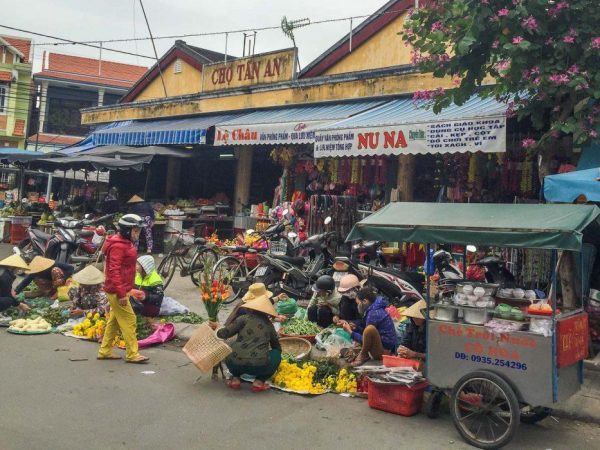
Hoi An’s Central Market is one option for visitors who want to explore local food and market culture. If you prefer a setting focused more on residents’ everyday shopping, you can also research smaller neighborhood markets, such as Tan An Market, before visiting.
Each market has a different atmosphere, and the experience depends on the time of day, the season, and the people you meet.
You do not have to buy many things or follow a strict plan. Walk slowly, observe what catches your attention, try a local snack if you feel comfortable, and allow yourself to experience the town at a more natural pace.
A market visit can also complement other cultural activities, such as learning how local dishes are prepared or discovering the ingredients used in Vietnamese home cooking.
Final Thoughts
Travel is not only about seeing famous places. It is also about understanding the small details that make a destination different from home.
Traditional markets in Vietnam offer a window into daily routines, local ingredients, communication, and community relationships. They remind us that culture is not found only in museums or historic buildings. It is also present in the ordinary activities people repeat every day.
If you visit Hoi An, consider setting aside a morning to explore a local market. Go with curiosity rather than a checklist, be respectful of the people you meet, and pay attention to the details around you.
You may discover that some of the most memorable travel experiences come from simply observing everyday life.
Planning a visit to Hoi An? Explore beyond the familiar tourist spots, discover local food traditions, and take time to experience the culture that makes this town special.