
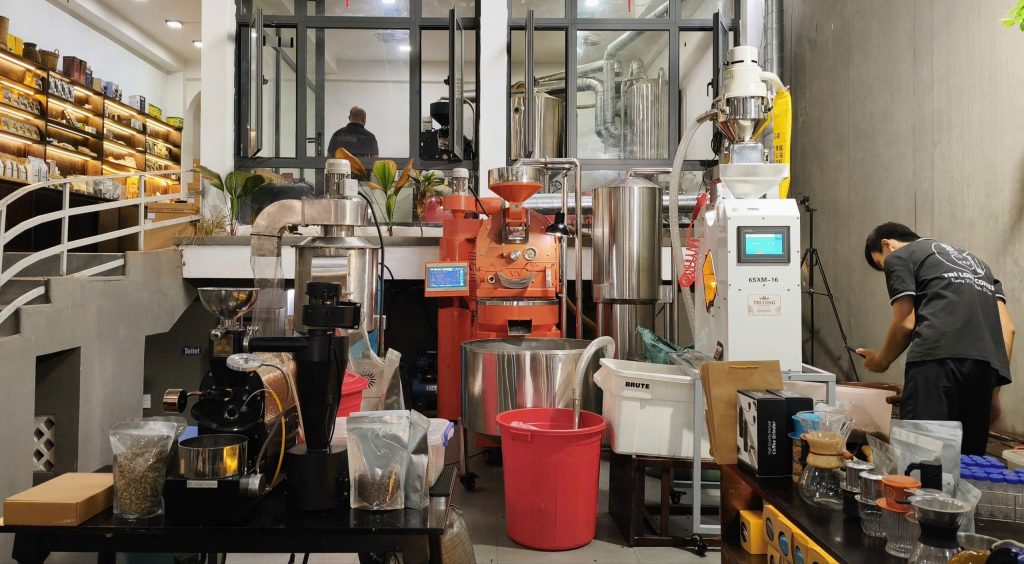
How to keep coffee fresh is an important question for anyone who wants to enjoy the full aroma and flavor of their favorite coffee. Even high-quality coffee beans can lose their distinctive flavor when exposed to air, moisture, heat, and light.
Whether you enjoy Vietnamese Robusta, Arabica, or traditional Vietnamese phin coffee, proper storage helps you get the best flavor from every cup.
In Vietnam, where the weather can be hot and humid, storing coffee properly is especially important. Fortunately, you do not need expensive equipment to protect your coffee. A few simple habits can make a real difference.
In this guide, we will explore seven common coffee storage mistakes and explain how to keep your coffee fresh for longer.
Why Does Coffee Lose Its Freshness?
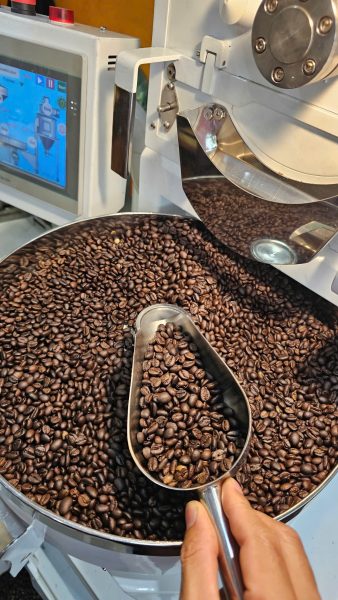
Coffee beans undergo significant physical and chemical changes during roasting. Roasting develops the aromas and flavors we enjoy, but it also makes the beans vulnerable to changes caused by oxygen, heat, light, and moisture.
After roasting, coffee gradually releases carbon dioxide and loses some of its volatile aromatic compounds. Once coffee is ground, its increased surface area exposes more of the coffee to air, causing its aroma and flavor to deteriorate more quickly.
This is why freshly roasted coffee should be stored carefully and ground as close to brewing time as possible.
7 Common Mistakes When Storing Coffee
1. Leaving Coffee in an Open Bag
One of the most common mistakes is leaving a coffee bag open after use. Every time coffee is exposed to air, oxidation can gradually affect its aroma and flavor.
An open bag also makes it easier for moisture and surrounding odors to reach the coffee.
How to avoid this mistake:
- Close the coffee bag tightly after every use.
- Choose packaging with a reliable resealable closure.
- Alternatively, transfer the coffee to a clean, airtight container.
- Avoid leaving coffee exposed on the kitchen counter for long periods.
For the best results, buy coffee in quantities you can comfortably finish while it is still aromatic.
2. Storing Coffee in Direct Sunlight
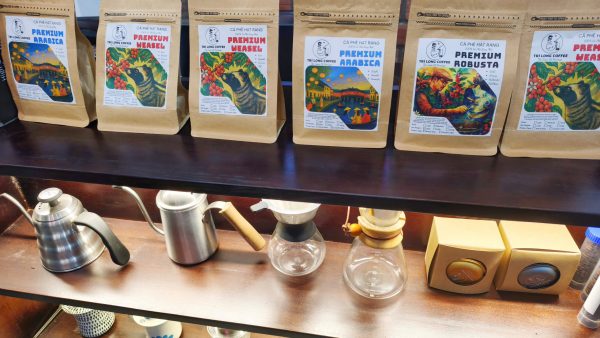
A clear glass jar filled with coffee beans may look attractive on a kitchen shelf, but placing it near a sunny window is not ideal.
Exposure to light, particularly direct sunlight, can accelerate the deterioration of coffee quality. A warm location can make the problem worse.
How to avoid this mistake:
Store coffee in an opaque, airtight container inside a cool, dry cupboard. Keep it away from windows and other locations exposed to direct sunlight.
If you prefer using a glass jar, choose an opaque container or place the jar inside a closed cupboard to protect the beans from light.
3. Keeping Coffee Near the Stove or Oven
Heat is another enemy of coffee freshness. Storing coffee beside a stove, oven, or other heat-producing appliance exposes it to unnecessary temperature changes.
In a warm kitchen, these conditions can accelerate the loss of desirable aromas.
How to avoid this mistake:
Choose a storage location away from cooking equipment, hot appliances, and direct sunlight. A cool, dark cupboard at normal room temperature is generally suitable.
You do not need to refrigerate your everyday coffee to keep it fresh. Protecting it from heat and moisture is more practical for most households.
4. Ignoring Humidity in Vietnam’s Climate
Humidity deserves special attention in Vietnam, especially in coastal destinations such as Hoi An.
Coffee readily absorbs moisture and odors from its surroundings. When coffee powder is left exposed to humid air, it can absorb moisture more easily and become less consistent in quality. Under unsuitable conditions, excessive moisture can also contribute to spoilage.
This is particularly important during rainy weather, when indoor air may feel damp and coffee packaging can be opened and closed frequently.
How to avoid this mistake:
- Always close the package immediately after taking out your coffee.
- Use an airtight container that seals properly.
- Keep coffee away from sinks, steam, and damp areas.
- Use a completely dry spoon when handling coffee powder.
- Avoid transferring coffee into a container that has not dried completely after washing.
If you live in a humid climate, these small habits can help protect your coffee from unnecessary exposure to moisture.
5. Storing Coffee in the Refrigerator
Many people believe that putting coffee in the refrigerator is the best way to preserve freshness. However, refrigeration is generally not recommended for coffee you use every day.
Coffee can absorb odors from other foods, and temperature changes may cause condensation when a cold container is opened in a warmer environment.
Moisture and unwanted odors can negatively affect the coffee’s flavor.
How to avoid this mistake:
Keep your everyday coffee in an airtight container in a cool, dark cupboard instead of the refrigerator.
Freezing can be useful for longer-term storage when done carefully. If you choose to freeze coffee, divide it into airtight portions, protect it from moisture, and allow each sealed portion to return to room temperature before opening it. Avoid repeatedly thawing and refreezing the same coffee.
6. Buying Ground Coffee but Storing It for Too Long
Ground coffee is convenient, especially if you prepare Vietnamese coffee with a traditional phin filter. However, ground coffee generally loses its freshness faster than whole beans because grinding exposes more surface area to air.
You may notice that coffee which once smelled rich and fragrant gradually develops a flatter aroma and less distinctive flavor.
How to avoid this mistake:
If possible, buy whole roasted beans and grind only the amount you need before brewing.
If you prefer pre-ground coffee, purchase smaller quantities, reseal the package carefully, and follow the roaster’s storage recommendations.
For Vietnamese phin coffee, choosing the appropriate grind size is also important. Coffee that is too fine or too coarse can affect extraction, even when the beans are fresh.
7. Buying More Coffee Than You Can Use
Buying coffee in bulk may seem economical, but a large bag is not always the best choice if you drink only one or two cups a day.
Coffee gradually loses its peak aroma over time, particularly after the package has been opened. Buying more than you can reasonably consume may mean that the last portion tastes noticeably different from the first.
How to avoid this mistake:
Buy coffee according to your drinking habits. If you prepare coffee every day, choose an amount you can finish while the coffee retains its desirable aroma and flavor.
Check the roasting date when available, rather than relying only on the best-before date. Store the coffee according to the package instructions and remember that freshness depends on roasting, packaging, storage, and how often the bag is opened.
There is no single freshness deadline that applies to every coffee. Different roast levels, packaging methods, and storage conditions can produce different results.
Whole Beans vs. Ground Coffee: Which Stays Fresh Longer?
Whole roasted beans generally preserve their aroma better than ground coffee because less of their surface area is exposed to oxygen.
Here is a simple comparison:
| Feature | Whole roasted beans | Ground coffee |
|---|---|---|
| Aroma retention | Generally better | Declines more quickly |
| Exposure to air | Lower surface exposure | Higher surface exposure |
| Convenience | Requires a grinder | Ready to brew |
| Best everyday habit | Grind before brewing | Keep sealed and buy smaller amounts |
If you enjoy exploring different coffee flavors, whole beans offer another advantage: you can adjust the grind size to suit your brewing method.
For example, Vietnamese phin coffee, espresso, and French press require different grind sizes. Grinding shortly before brewing helps you experience the coffee’s aroma more clearly.
How to Keep Coffee Fresh in Vietnam’s Humid Climate
If you live in Vietnam or are visiting Hoi An, you can follow these practical steps to protect your coffee from heat and humidity.
Step 1: Choose suitable packaging. Keep coffee in its original bag if it has a reliable resealable closure and appropriate protective packaging. Otherwise, use a clean, airtight, preferably opaque container.
Step 2: Store it in the right place. Choose a dry, shaded cupboard away from direct sunlight, cooking equipment, and sources of steam.
Step 3: Protect it from moisture. Close the package immediately after use. Never scoop coffee with a wet spoon or place it in a damp container.
Step 4: Grind only what you need. For whole beans, grinding shortly before brewing helps preserve the aromatic experience.
Step 5: Buy an appropriate quantity. Smaller purchases may be more practical if you drink coffee occasionally rather than every day.
Step 6: Follow the roaster’s recommendations. Packaging, roast level, and storage conditions all influence how coffee retains its quality.
These practices are simple, but together they help you enjoy coffee closer to the flavor intended by the roaster.
Why Fresh Roasting Matters
Proper storage begins with good coffee, but freshness also depends on what happens before the coffee reaches your kitchen.
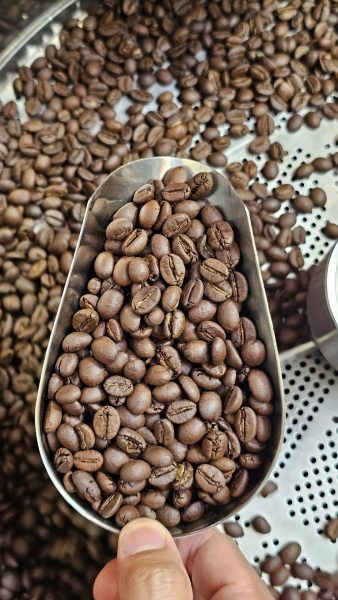
Roasting transforms green coffee beans, developing the aromas, flavors, and color that define the finished product. Different roast profiles can bring out different characteristics, from chocolate and nuts to caramel, fruit, or more intense roasted notes.
At a local roastery, you can learn how the roasting process influences the flavor of coffee and why storage matters after roasting.
At Tri Long Coffee in Hoi An, visitors can explore Vietnamese coffee, learn about different beans and roasting processes, and experience traditional Vietnamese coffee preparation.
Our roastery is a place to discover the journey from roasted beans to a cup of coffee, while learning more about local coffee culture.
If you are visiting Hoi An, you are welcome to visit us at 25 Thich Quang Duc Street, Hoi An, Da Nang, Vietnam, to discover freshly roasted coffee and experience Vietnamese coffee-making traditions.
You can also explore our coffee-making and roasting experiences to learn more about Vietnamese coffee, its preparation, and its distinctive flavors.
Frequently Asked Questions About Coffee Freshness
Should I store coffee beans in the refrigerator?
Generally, no. For everyday use, an airtight container in a cool, dark, dry place is more suitable. Refrigerators can expose coffee to unwanted odors and condensation.
Is whole-bean coffee fresher than ground coffee?
Whole beans generally retain their aroma better because grinding increases the surface area exposed to air. Grinding shortly before brewing is a good way to preserve flavor.
How can I tell if my coffee has lost its freshness?
Coffee that has lost freshness may smell less aromatic or taste flat compared with when the package was first opened. If you notice visible mold, unusual dampness, or an abnormal smell, do not use the coffee.
Does freshly roasted coffee need to be used immediately?
Not necessarily. Freshly roasted beans release carbon dioxide after roasting, and some coffees benefit from a resting period before brewing. The ideal timing depends on the coffee, roast level, and brewing method. Follow the roaster’s recommendations.
Can I freeze coffee beans?
Yes, freezing can be useful for longer-term storage when the beans are sealed in airtight portions and protected from moisture. Avoid repeatedly opening, thawing, and refreezing the same portion.
Final Thoughts
Keeping coffee fresh does not require complicated equipment. The most important habits are to protect it from air, moisture, heat, and light, choose suitable packaging, and grind whole beans close to brewing time.
These steps are especially useful in Vietnam’s warm and humid climate, where careful storage can help preserve the aroma and flavor of your favorite coffee.
Whether you enjoy a traditional Vietnamese phin, a strong Robusta, or a balanced Arabica, paying attention to freshness can make your daily coffee experience more enjoyable.
And if you want to understand coffee beyond the cup, visit Tri Long Coffee Roastery in Hoi An to discover Vietnamese coffee, explore the roasting process, and experience local coffee culture.