
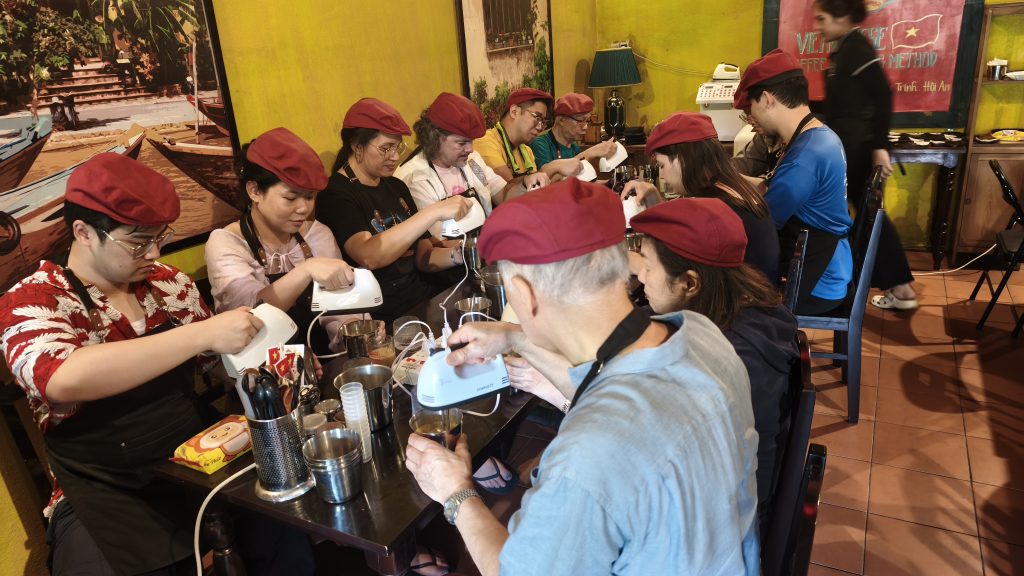
A coffee class experience in Hoi An can be much more than simply learning how to make a cup of coffee. At Tri Long Coffee Roastery, travelers can watch real coffee roasting, discover Vietnamese coffee culture and make their own Vietnamese-style drinks in a local roasting factory.
There is something special about making your own cup of coffee. You notice the aroma more, pay attention to the texture and become curious about where the beans came from and how they were roasted. When you finally take that first sip, the coffee feels a little different because you were part of the process.
That is exactly what many travelers discover when they join our coffee making class. Instead of simply sitting in a café and ordering a drink, they get involved, try different techniques, share a few laughs and create their own Vietnamese coffee experience.
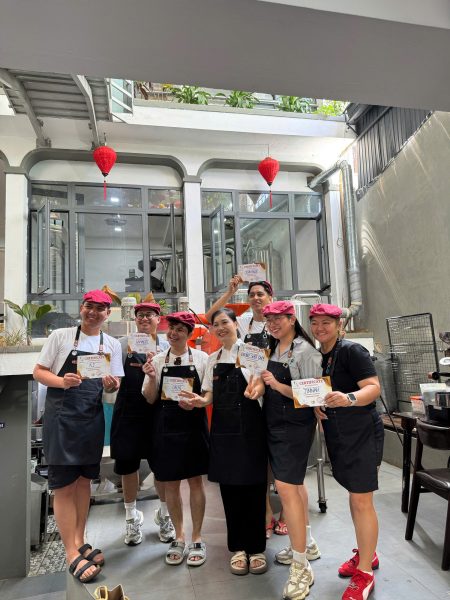
What Makes a Coffee Class Experience in Hoi An Special?
Vietnam is famous for its strong coffee, condensed milk and traditional phin filter. But Vietnamese coffee culture is much more than a particular drink.
Coffee is part of everyday life. You can see people enjoying a slow cup of coffee in the morning, meeting friends at a small local café, or sitting together and talking while a phin slowly drips into a glass.
When travelers first try Vietnamese coffee, they often recognize the distinctive flavor immediately. It can be strong, rich, aromatic and sometimes surprisingly sweet.
But one question often comes up:
How does Vietnamese coffee get this flavor?
Our coffee making class starts by answering that question.
Instead of simply serving guests a finished drink, we invite them behind the scenes to see part of the journey from green coffee beans to roasted coffee and finally to the cup.
Watching Green Coffee Beans Become Roasted Coffee
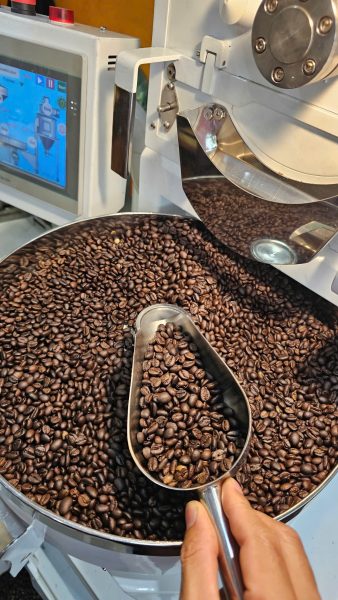
One of the most interesting moments of the experience is watching the actual roasting process at our local coffee roastery.
Before roasting, coffee beans are green. They look very different from the dark, aromatic beans most people recognize.
During the class, guests learn how roasting changes the beans through heat. They can observe the color gradually becoming darker and learn how roasting time and temperature influence aroma and flavor.
The roasting process also introduces guests to an important part of coffee that is often hidden from everyday coffee drinkers.
Coffee does not simply “taste like coffee.”
The final flavor depends on many factors, including the origin of the beans, processing method, roast profile, brewing technique and how the coffee is stored.
Standing beside a real roasting machine makes these ideas much easier to understand.
Guests can smell the changing aroma and see the roasted beans after they leave the roaster and cool down. For coffee lovers, this is often one of the most fascinating parts of the visit.
For travelers who do not know much about coffee, it can be a fun surprise to discover how much work happens before the first sip.
Discovering the Beans Behind Vietnamese Coffee
Vietnam is one of the world’s major coffee-producing countries, and Robusta has played an especially important role in the country’s coffee industry. You can explore more information about Vietnam’s coffee production and Robusta industry in the International Coffee Organization’s coffee statistics and reports.
During the class, guests have the opportunity to learn about different types of coffee beans, including Robusta and Arabica, and how their characteristics can influence the final cup.
Robusta is well known for its stronger body and more intense character, while Arabica is often associated with more delicate aromas and acidity.
We also talk about Vietnamese coffee-growing regions, including Buon Ma Thuot and Da Lat, and how growing conditions and processing methods can affect coffee.
For many international visitors, this is a new way of looking at Vietnamese coffee.
They may have already tried a Vietnamese iced coffee or egg coffee in a café. But learning about the beans behind those drinks gives the experience another dimension.
Suddenly, the coffee on the table has a story.
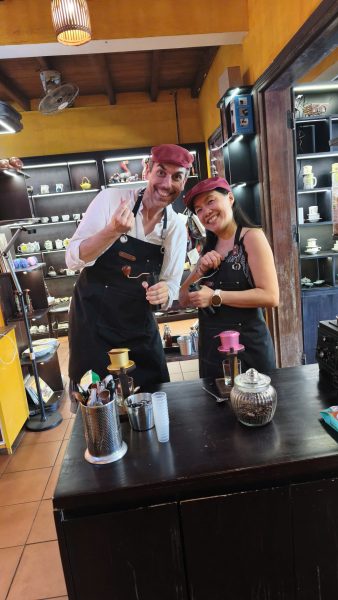
Making Vietnamese Signature Coffees
The fun does not stop with traditional phin coffee.
Depending on the class option, guests can also learn how to prepare some of Vietnam’s popular signature coffee drinks.
Vietnamese Phin Coffee
This is the foundation.
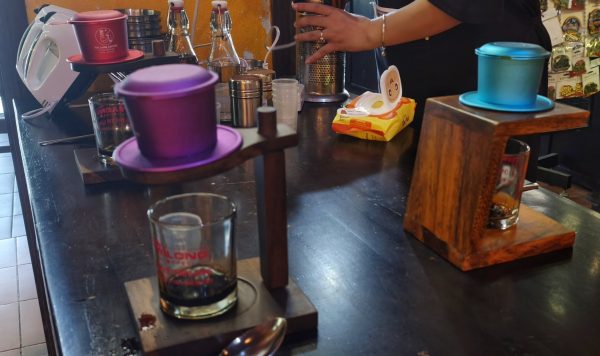
Guests learn how to brew coffee using the traditional Vietnamese phin and experience the strong aroma and rich flavor of freshly roasted coffee.
For many visitors, making the phin themselves is a simple but meaningful introduction to Vietnamese coffee culture.
Coconut Coffee
Coconut coffee is a favorite among travelers visiting Vietnam.
The combination of coffee and creamy coconut creates a refreshing drink with a different texture and flavor from traditional black coffee.
Making it yourself makes the drink even more enjoyable.
Egg Coffee
Vietnamese egg coffee is one of the country’s most famous specialty drinks.
The creamy topping and strong coffee underneath create a surprising combination. Guests who have never tried egg coffee before are often curious about how the drink can taste so smooth and dessert-like.
Learning how it is prepared turns that curiosity into a hands-on experience.
Salt Coffee
Salt coffee is another Vietnamese specialty that often surprises international visitors.
A small amount of salt can change the balance of flavors and complement the bitterness of coffee.
For guests trying it for the first time, the reaction is often the same:
“Really? Salt in coffee?”
Then they taste it.
And many discover that coffee can be much more versatile than they expected.
The Most Fun Part? Making Mistakes and Trying Again
A coffee class does not have to be perfect.
In fact, some of the most memorable moments happen when guests are learning.
Someone may pour the water too quickly into the phin. Someone else may be surprised by how slowly the coffee drips. Another guest may become very serious while trying to create the perfect egg coffee topping.
These small moments create laughter and conversation.
Because everyone is learning together, the atmosphere is usually relaxed and friendly.
Guests can ask questions, compare their drinks and taste what they have made.
And when the final cup is ready, there is always a little sense of achievement.
It is not just coffee anymore.
“I made this myself.”
That feeling is a big part of the experience.
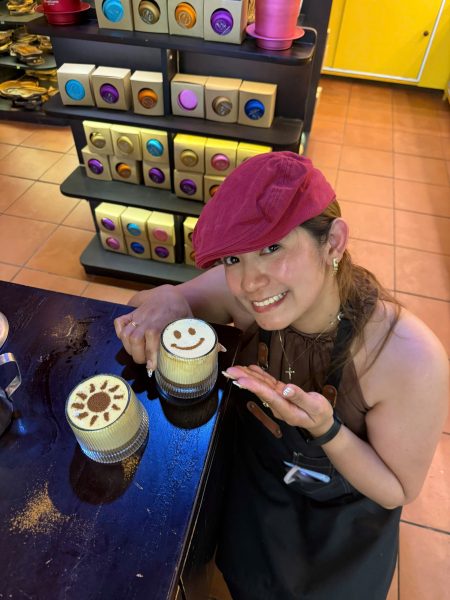
Discovering Vietnamese Coffee Culture in a Local Roastery
One reason the experience feels different from a typical coffee workshop is the setting.
Instead of learning in a hotel conference room or a standard cooking studio, guests visit a real local coffee roasting factory.
Tri Long Coffee has been roasting coffee in Hoi An since 2016. The roastery supplies coffee to cafés, restaurants and hotels in Hoi An and nearby areas, making the space a working part of the local coffee scene.
Guests can see coffee roasting in a real working environment and learn about the journey from green beans to roasted coffee.
The roastery also handles coffee equipment, including roasters, grinders and brewing equipment, and provides coffee-related training and classes.
This creates an experience that connects the visitor not only with a drink, but with the people and work behind it.
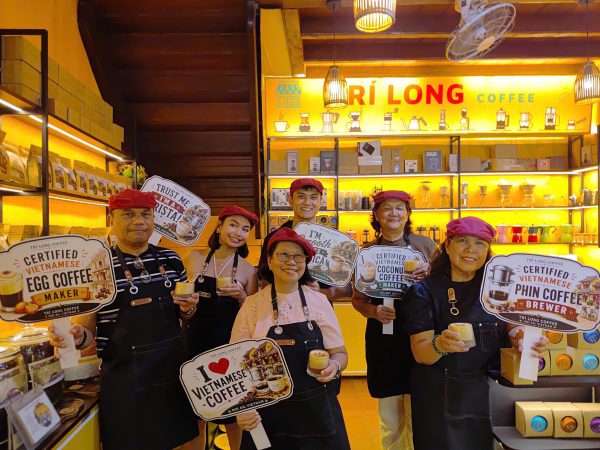
A Great Experience Between Check-Out and Your Next Journey
Travel days can sometimes be awkward.
You have already checked out of your hotel, but your airport transfer is not until later. Or perhaps you have arrived in Hoi An early and cannot check in yet.
Instead of spending those extra hours simply waiting, a coffee making class can turn that free time into a local experience.
The class takes place during the day, making it possible for travelers to combine it with other activities around Hoi An.
You can arrive with your luggage, learn something new, make Vietnamese coffee and enjoy a relaxed experience before continuing to the airport or your hotel.
For travelers who have limited time in Hoi An, this can also be a simple way to experience something local without spending an entire day on an activity.
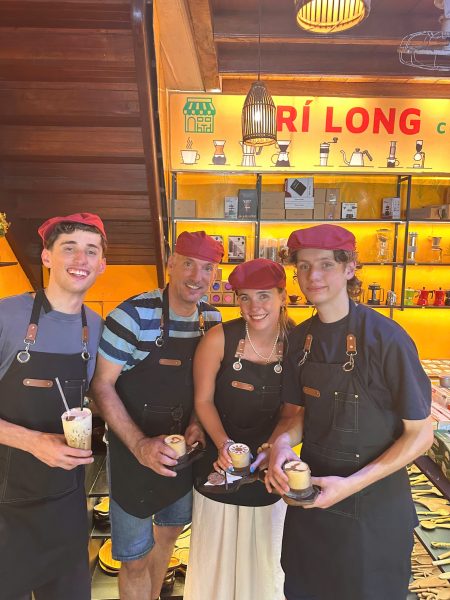
More Than a Coffee Class
At the end of the class, guests leave with more than a drink.
They have seen green coffee beans become roasted beans.
They have learned about Robusta and Arabica.
They have discovered how roasting affects flavor.
They have watched a traditional Vietnamese phin slowly brew coffee.
They have made their own Vietnamese coffee.
And, perhaps most importantly, they have experienced a small part of the coffee culture that is woven into everyday life in Vietnam.
Some guests arrive knowing very little about coffee. Others are already passionate coffee lovers.
But the experience gives everyone something to take away.
For some, it is a new appreciation for Vietnamese Robusta.
For others, it is the discovery of egg coffee or salt coffee.
And for many, it is simply the memory of sitting together, waiting for the phin to finish dripping while the aroma of freshly brewed coffee fills the room.
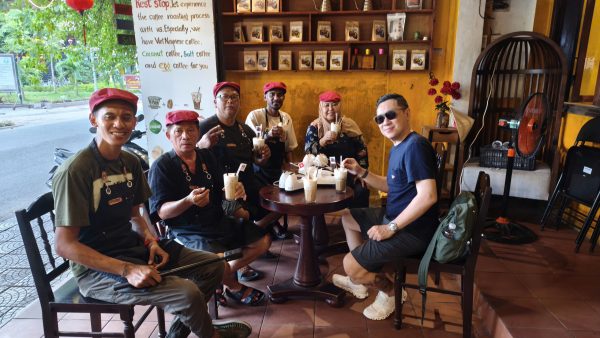
Take Your Vietnamese Coffee Experience in Hoi An Home
Travel memories are often connected to food and drinks.
A particular smell can remind you of a street in Hoi An. A familiar flavor can bring back a conversation with a local guide. And sometimes, making a drink yourself becomes part of the memory.
That is what we hope guests experience at our coffee making class.
We do not want visitors to simply taste Vietnamese coffee.
We want them to understand a little more about where it comes from, how it is roasted, how it is brewed and why coffee has such an important place in Vietnamese daily life.
Because once you understand the journey from bean to cup, your next Vietnamese coffee may taste a little different.
And perhaps when you return home, you will look at your coffee in a new way.
Not simply as a drink.
But as a story — from the coffee farm, to the roastery, to the phin, and finally to your cup.
Join Our Coffee Making Class in Hoi An
If you are looking for a hands-on local experience in Hoi An, our coffee making class in Hoi An offers a chance to explore Vietnamese coffee from roasting to brewing.
Come to our local roastery, see the real roasting process, discover Vietnamese coffee beans, learn traditional brewing techniques and make your own signature Vietnamese coffee.
You may arrive simply looking for something interesting to do.
You may leave with a new appreciation for Vietnamese coffee — and a cup that you can proudly say you made yourself.