
Vietnamese Herbal Tea in Hoi An: Local Teas to Discover
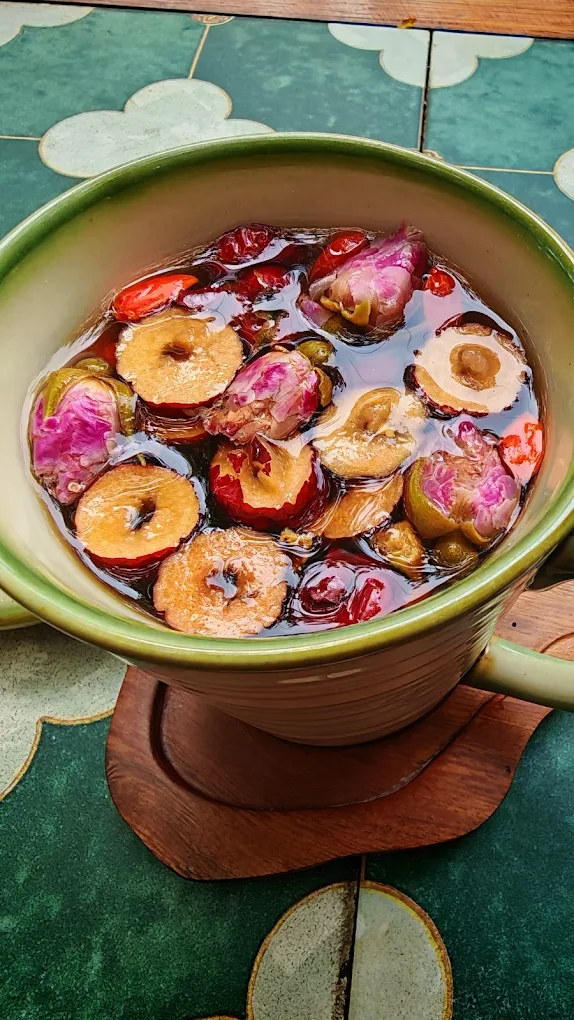
When visiting Hoi An, travelers can discover Vietnamese herbal tea in Hoi An as a quieter and more traditional side of Vietnamese drinking culture. Unlike coffee or traditional green tea, herbal tea can be made from flowers, herbs, roots, fruits, and other local ingredients.
From fragrant lemongrass and lotus to butterfly pea flowers, ginger, licorice, and dried fruits, Vietnamese herbal teas offer a wide range of aromas, colors, and flavors. They can be enjoyed warm or chilled and are often part of everyday life, family gatherings, or a relaxing break after exploring the town.
If you are looking for something different from coffee or traditional green tea, discovering Vietnamese herbal tea is a simple way to experience another side of local culture.
nal green tea, discovering Vietnamese herbal tea can be a simple way to experience another part of local culture.
What Is Vietnamese Herbal Tea?
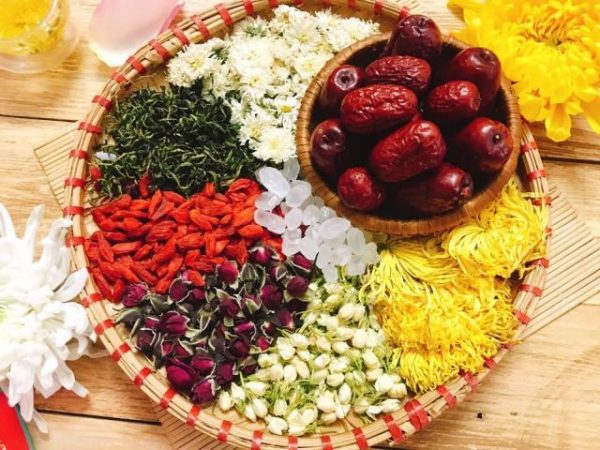
Vietnamese herbal tea is generally made by steeping or simmering herbs, flowers, roots, fruits, or other plant ingredients in hot water.
Unlike traditional tea made from the Camellia sinensis plant, many Vietnamese herbal drinks contain no tea leaves at all.
This is an important distinction for visitors. Vietnamese green tea, such as chè xanh, is made from tea leaves. Herbal tea, on the other hand, can be made from ingredients such as lemongrass, lotus flowers, ginger, butterfly pea flowers, licorice, or dried fruits.
The ingredients and combinations can vary from one household, region, or tea shop to another.
Vietnamese Herbal Tea vs. Green Tea
Vietnam has a long tradition of drinking green tea, so the words “tea” and “herbal tea” can sometimes be confusing for international visitors.
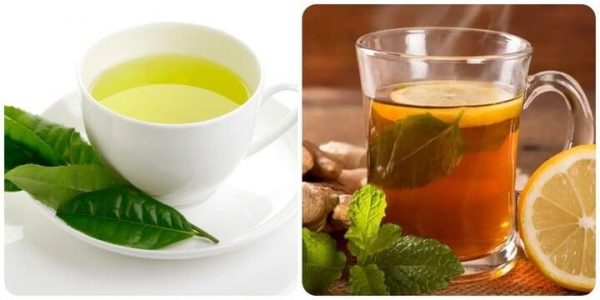
Traditional Vietnamese green tea is made from tea leaves and usually has a fresh, slightly bitter, or astringent taste.
Herbal tea uses other botanical ingredients. Depending on the ingredients, the flavor can be floral, citrusy, sweet, spicy, earthy, or refreshing.
For example:
- Green tea has a distinctive tea-leaf flavor.
- Lemongrass tea has a fresh citrus-like aroma.
- Ginger tea has a warm and spicy character.
- Lotus-based tea has a delicate floral fragrance.
- Butterfly pea tea is known for its naturally deep blue color.
- Licorice can add a naturally sweet note.
There is therefore no single flavor that defines Vietnamese herbal tea.
Popular Ingredients in Vietnamese Herbal Tea
One of the most interesting parts of Vietnamese herbal tea is the variety of local ingredients used to create different flavors.
Lemongrass
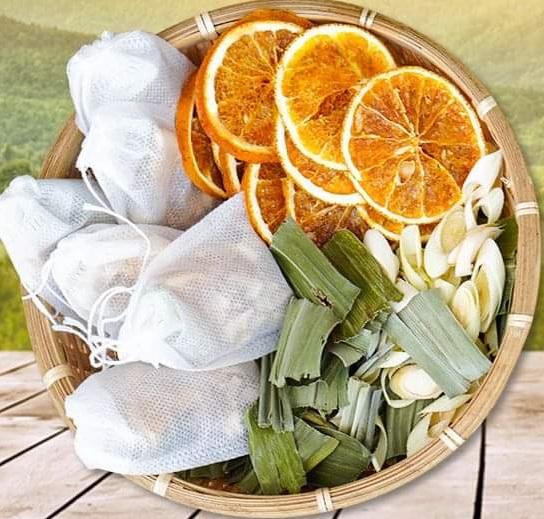
Lemongrass is widely used in Vietnamese cooking and beverages. When steeped in hot water, it produces a fresh, aromatic drink with a light citrus character.
It can be enjoyed on its own or combined with other herbs and ingredients.
Lotus
Lotus has a special place in Vietnamese culture and is commonly associated with beauty, calmness, and traditional Vietnamese aesthetics.
Lotus flowers and other parts of the lotus plant can be used in different Vietnamese tea preparations. Lotus-based drinks often have a gentle floral aroma.
Butterfly Pea Flower
Butterfly pea flower is especially interesting for visitors because of its naturally blue color.
When steeped in hot water, the flowers create a vivid blue infusion. The color can also change when an acidic ingredient such as lemon is added.
This makes butterfly pea tea both a drink and a visually interesting part of the Vietnamese tea experience.
Ginger
Fresh ginger is another familiar ingredient in Vietnamese drinks.
Ginger tea has a warm, spicy aroma and is particularly enjoyable as a hot drink on a rainy afternoon in Hoi An.
It can be combined with other ingredients, including dried fruits or sweeteners, to create different flavor profiles.
Licorice
Licorice root is sometimes used in Vietnamese herbal tea blends to provide a naturally sweet and distinctive flavor.
Because its flavor is quite recognizable, it is often used in combination with other herbs rather than as the only ingredient.
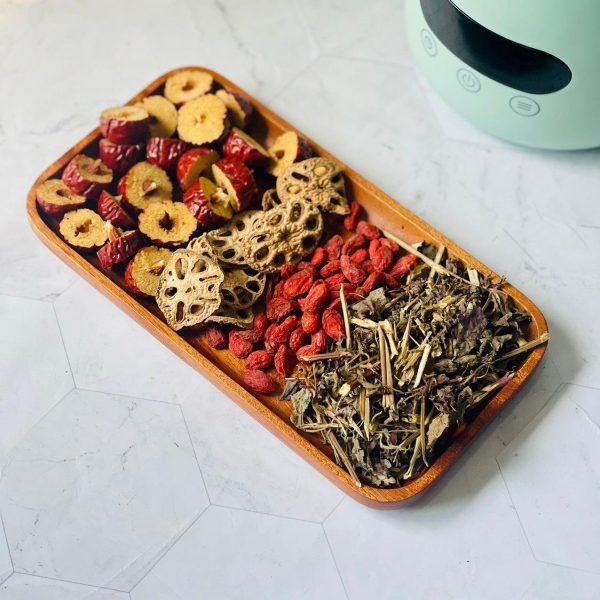
Red Dates and Goji Berries
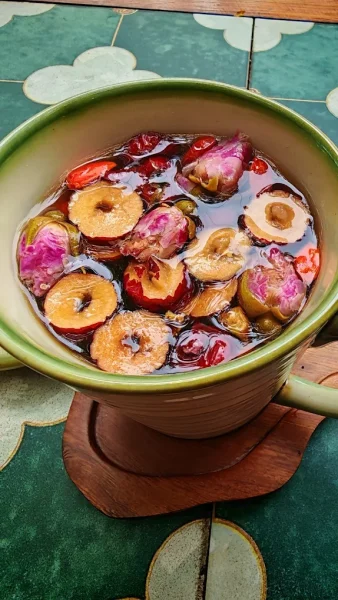
Dried red dates and goji berries are also found in some herbal tea combinations.
They add sweetness, color, and a fruity character to the drink. They are often combined with flowers and herbs to create a more complex infusion.
Vietnamese Herbal Tea and Everyday Life
Tea in Vietnam is not always about a formal tea ceremony.
For many people, tea is simply part of everyday life.
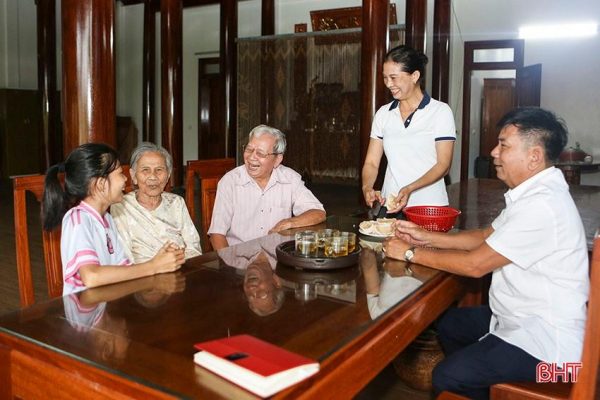
A pot of tea can be prepared when guests arrive at home. Friends may share tea while talking, and families may enjoy tea together after a meal.
Herbal drinks can fit naturally into this culture because they are flexible and can be prepared with ingredients available locally.
This everyday character is one reason why exploring Vietnamese tea can feel different from visiting a formal tea tasting.
You are not only learning about a drink. You are discovering how drinks fit into Vietnamese daily life.
Why Herbal Tea Feels Right in Hoi An
Hoi An is often associated with its yellow historic buildings, lanterns, cafés, and busy Ancient Town streets. But the town can also be experienced at a slower pace.
On a rainy afternoon, for example, walking through the old streets may become less convenient. A warm cup of herbal tea offers a simple opportunity to slow down, sit indoors, and enjoy local flavors.
Even outside the rainy season, herbal tea can be a refreshing alternative to coffee when you want something lighter and more aromatic.
For travelers interested in local culture, this slower experience can be just as memorable as visiting another sightseeing attraction.
Vietnamese Herbal Tea Is Not the Same as Matcha
Another distinction worth understanding is the difference between herbal tea and matcha.
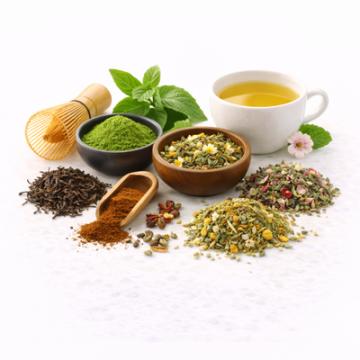
Matcha is made from specially processed green tea leaves that are finely ground into a powder. When drinking matcha, you consume the tea itself rather than simply drinking an infusion made by steeping leaves or other ingredients.
Vietnamese herbal tea is different. It can contain flowers, herbs, roots, or dried fruits, and many herbal infusions contain no tea leaves.
In Hoi An, visitors can therefore explore both traditions: learning about Vietnamese-style matcha preparation while also discovering local herbal tea ingredients and flavors.
How to Enjoy Vietnamese Herbal Tea in Hoi An
There is no single correct way to enjoy Vietnamese herbal tea.
You can drink it hot on a rainy day, serve it chilled in warmer weather, or enjoy it alongside a small local snack.
If you are trying a new herbal tea, take a moment to notice its aroma before drinking. Different ingredients can create surprisingly different experiences.
You can also ask about the ingredients. Learning what is inside the cup often makes the experience more interesting, especially when the ingredients are unfamiliar.
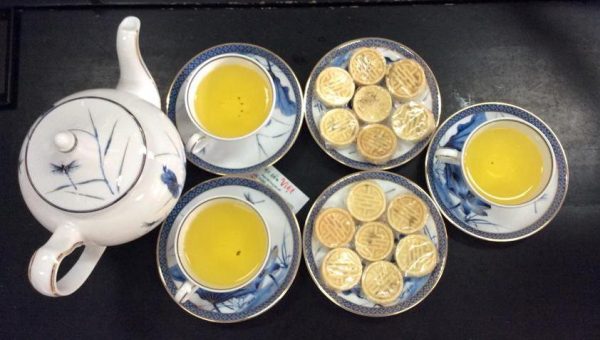
Experience Vietnamese Herbal Tea in Hoi An
For travelers who want to go beyond simply ordering a drink, a tea-making experience can provide a more hands-on introduction to Vietnamese drinking culture.
At Tri Long Coffee in Hoi An, tea and matcha can be explored alongside the local coffee culture. Guests can learn about Vietnamese-style matcha preparation and discover herbal tea ingredients such as lotus, butterfly pea flower, lemongrass, licorice, red dates, and goji berries.
It is a relaxed way to learn about Vietnamese ingredients while enjoying a drink in a local setting.
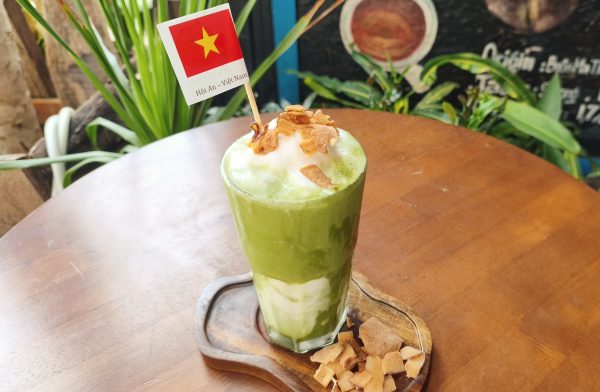
A Different Side of Vietnamese Drinking Culture
Vietnam is famous around the world for its strong coffee, especially Vietnamese phin coffee. But coffee is only one part of the country’s beverage culture.
Vietnamese herbal tea offers another perspective: one based on flowers, herbs, local ingredients, simple preparation, and everyday moments.
When you visit Hoi An, consider taking some time away from the busiest streets and discovering this quieter side of Vietnamese culture.
Sometimes, a cup of warm herbal tea and a rainy afternoon can become one of the most relaxing memories of a trip to Hoi An.