
How to Drink Matcha in Vietnam: Tea Culture, Lattes & Local Flavors
1. Matcha and Vietnamese Tea Culture
Before talking about matcha, it is important to understand Vietnamese tea culture.
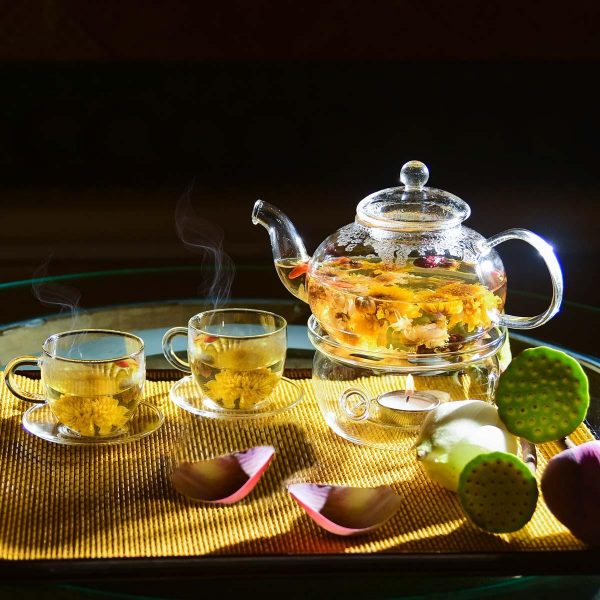
Tea has a special place in Vietnamese life. Traditionally, tea is often associated with hospitality, family gatherings, conversation and moments of relaxation. Vietnamese tea culture does not always require a formal ceremony. Instead, tea is often enjoyed naturally as part of everyday life.
In a Vietnamese home, offering tea to a guest can be a simple gesture of welcome. Tea can also be enjoyed at small roadside stalls, restaurants, family gatherings and traditional celebrations.
Vietnam has many tea-growing regions, including Thái Nguyên, Yên Bái, Hòa Bình, Sơn La and parts of the Central Highlands. Different regions produce teas with their own aromas, textures and characteristics.
This long relationship with tea provides an interesting cultural background for the growing popularity of matcha in Vietnam.
2. Is Matcha Traditional Vietnamese Tea?
No. Matcha should not be confused with traditional Vietnamese green tea.
Matcha is a finely ground powdered green tea strongly associated with Japanese tea culture. It has become internationally popular because of its distinctive green color, umami flavor and versatility.
Vietnam, however, has its own long-established tea traditions. Traditional Vietnamese tea is commonly prepared from whole or processed tea leaves rather than being consumed as a fine powder.
The interesting development today is the meeting of these two worlds.
As matcha becomes more popular in Vietnam, cafés and drink makers are creating their own interpretations of matcha drinks. This means travelers can experience matcha in a distinctly modern Vietnamese café environment while also discovering the country’s older tea traditions.
3. How to Drink Matcha in Vietnam: Popular Ways to Enjoy Matcha
There is no single way to enjoy matcha in Vietnam.
Depending on the café, location and recipe, matcha may be served as a traditional-style whisked drink, a latte or a creative cold beverage.
Here are some of the most common ways you may encounter it.
Traditional-Style Matcha
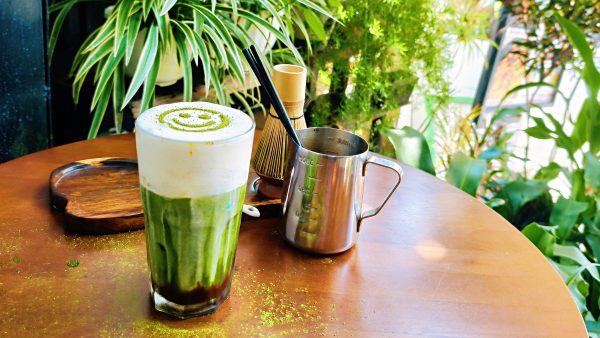
The simplest way to experience matcha is to whisk matcha powder with warm water.
This preparation allows you to taste the matcha more directly. You can notice its aroma, bitterness, umami and natural sweetness without milk or other ingredients changing the flavor.
The traditional-style preparation is also a good way to learn why water temperature, powder quality and whisking technique matter.
For travelers who are new to matcha, starting with a simple preparation can help them understand the ingredient before moving on to sweeter or creamier drinks.
Matcha Latte
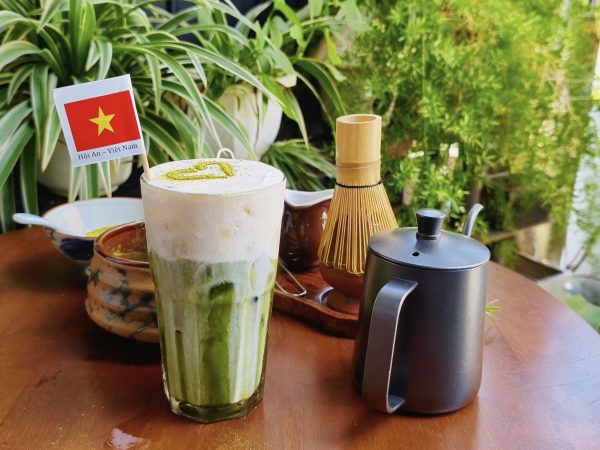
Matcha latte is probably one of the easiest ways for beginners to enjoy matcha.
Matcha is whisked with warm water and combined with milk. Depending on the recipe, condensed milk or another sweetener may also be added.
The result is creamy, smooth and less bitter than drinking matcha with water alone.
In Vietnam, matcha latte fits naturally into the country’s café culture, where drinks are often adapted to local preferences for sweetness, creaminess and texture.
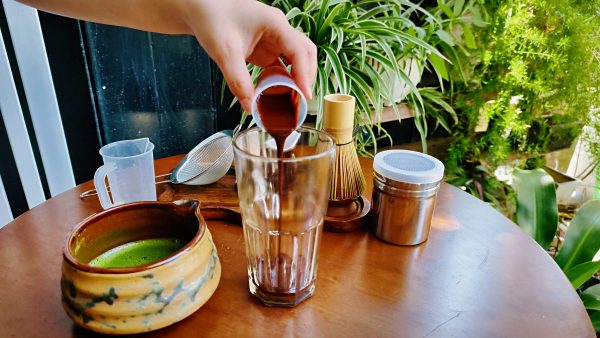
4. Try Matcha with Vietnamese-Inspired Flavors
One of the most interesting things about matcha in Vietnam is how easily it can be combined with other flavors.
Vietnamese café culture is known for creative combinations. Coffee has already been paired with ingredients such as coconut, egg and salt, creating drinks that are now strongly associated with Vietnamese beverage culture.
Matcha is now following a similar path.
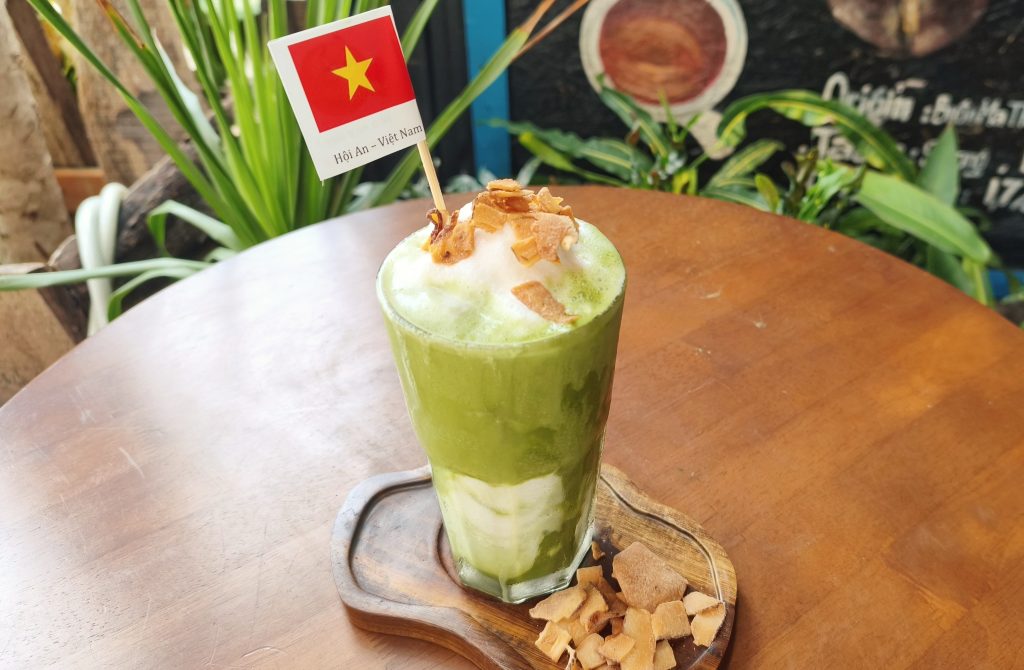
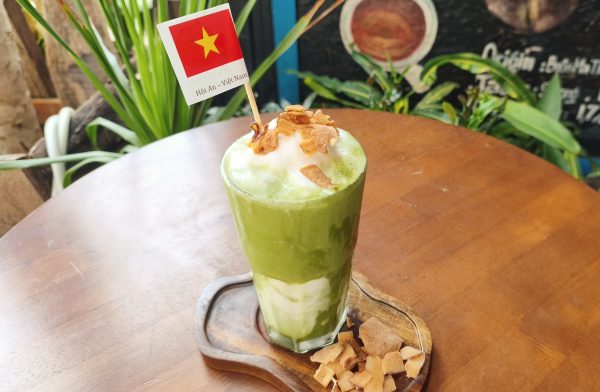
Matcha Coconut
Coconut is an especially natural pairing for matcha in Vietnam.
Creamy coconut flavors can soften matcha’s bitterness while adding a tropical character to the drink.
A cold coconut matcha can be particularly refreshing in Hoi An’s warm weather.
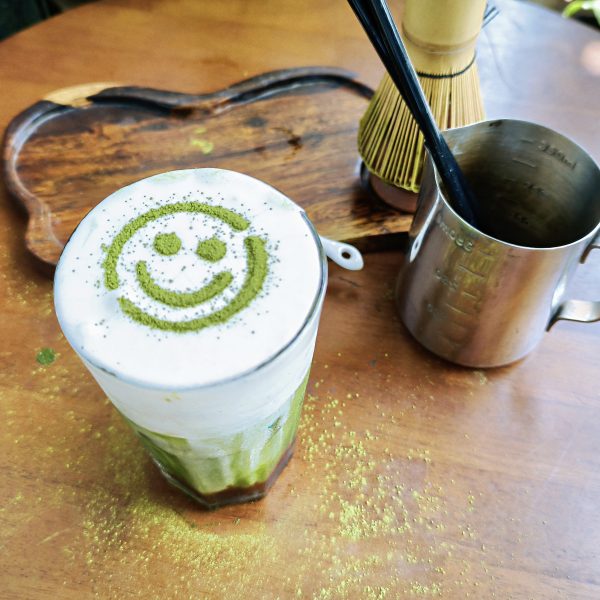
Salted Matcha
Salt may seem unusual at first, but a small amount of salt can help balance bitterness and sweetness.
Vietnamese drinks have already demonstrated how salt can be used creatively in beverages, so salted matcha is an interesting modern variation for travelers who want to try something different.
Matcha Cacao
Matcha and cacao create a richer combination.
The earthy character of matcha works with the deeper chocolate notes of cacao, creating a drink that can appeal to people who enjoy both tea and chocolate.
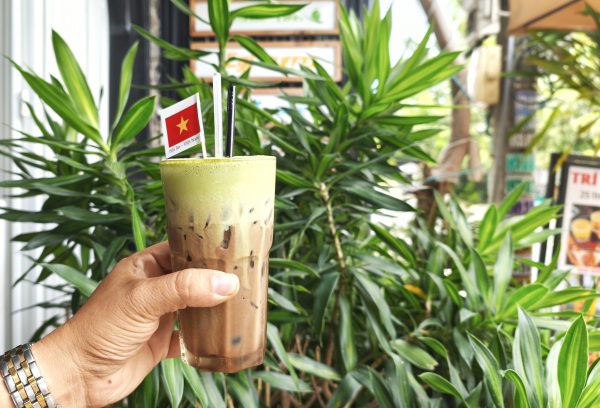
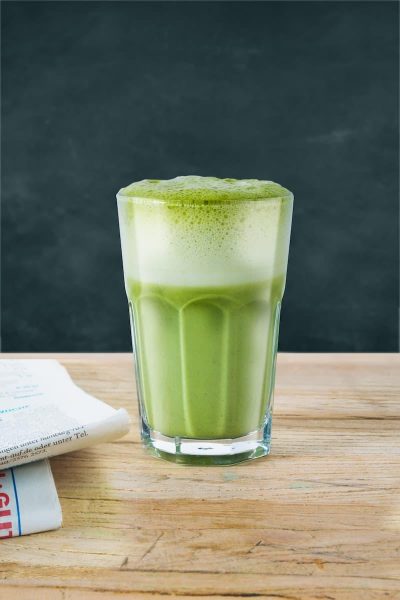
Classic Matcha Latte
For a first introduction, a classic matcha latte is often the easiest choice.
It allows you to enjoy the distinctive green tea flavor while the milk creates a softer and creamier texture.
5. Why Has Matcha Become So Popular in Vietnam?
Matcha is currently experiencing significant attention in Vietnam’s beverage market.
In recent years, matcha drinks such as matcha latte, coconut matcha and other creative combinations have appeared increasingly often on café menus and social media. Vietnamese media has described matcha as a major new trend in the country’s beverage industry.
Several factors help explain its popularity.
First, matcha has a distinctive appearance. Its bright green color makes it highly recognizable and visually appealing.
Second, matcha can be used in many different types of drinks and desserts.
Third, younger consumers are increasingly interested in specialty beverages and new café experiences.
Finally, matcha fits naturally into the growing interest in tea, wellness and alternative drinks to traditional coffee.
The result is a new generation of Vietnamese matcha drinks that combine international inspiration with local café creativity.
6. Matcha vs. Vietnamese Green Tea
Although both come from the tea plant, matcha and Vietnamese green tea are prepared and enjoyed differently.
Traditional Vietnamese green tea is generally brewed with tea leaves, while matcha is consumed as a finely powdered tea.
This creates a major difference in the drinking experience.
With brewed tea, you taste the liquid extracted from the leaves.
With matcha, the finely ground tea powder is whisked into water or another liquid, so the drink has a fuller texture.
Vietnamese tea culture also has a different character from the formal Japanese tea ceremony. Vietnamese tea drinking can be simple, informal and closely connected to everyday hospitality and social life.
Understanding this difference can make your first matcha experience in Vietnam much more meaningful.
7. How to Drink Matcha in Vietnam Like a Local
If you are visiting Vietnam and want to explore matcha, don’t only look for the sweetest or most colorful drink.
Try experiencing matcha in stages.
Start with a simple whisked matcha if you want to understand the natural flavor.
Then try a classic matcha latte.
After that, explore Vietnamese-inspired combinations such as coconut or salted matcha.
Most importantly, take time to learn about the tea culture behind the drink.
Vietnamese tea culture is not only about how tea is prepared. It is also about hospitality, conversation and sharing time with other people.
That cultural context can make a simple cup of matcha much more interesting.
8. Where to Experience Matcha in Hoi An
Hoi An is known around the world for its Ancient Town, lantern-lit streets, traditional architecture and food culture. But it is also an interesting place to discover modern Vietnamese drinks.
For travelers who want more than simply ordering a matcha from a café menu, a hands-on experience can be a better way to understand the drink.
At Trí Long Coffee in Hoi An, visitors can join a Vietnamese Matcha Making Class and explore matcha from a Vietnamese perspective.
Instead of simply watching a drink being prepared, participants can learn how to prepare their own matcha and choose from different drink styles.
Depending on the experience, you can discover creative combinations such as:
- Traditional Matcha Latte
- Coconut Matcha
- Salted Matcha
- Matcha Cacao
The experience also connects modern matcha drinks with Vietnamese tea culture, giving visitors an opportunity to learn, prepare and taste their own drinks.
9. Learn to Make Your Own Matcha in Hoi An
If you are curious about matcha and want a more interactive experience during your trip, joining a Matcha Making Class in Hoi An is a fun way to explore the drink beyond a café menu.
You can learn about matcha, practice preparing it and discover how different ingredients change the flavor and texture of the final drink.
More importantly, you can take the knowledge home with you and recreate your favorite matcha drink after your trip.
For travelers who enjoy food and drink experiences, this is also a chance to discover another side of Vietnam beyond the better-known coffee culture.
Final Thoughts
Matcha may have strong roots in Japanese tea culture, but its growing popularity in Vietnam is creating a new and interesting chapter in the country’s modern beverage culture.
Vietnam already has a deep tea tradition built around hospitality, conversation and everyday life. Today, matcha is becoming part of that modern café landscape, appearing in everything from classic lattes to coconut, salted and cacao combinations.
So, if you are traveling in Vietnam, don’t think of matcha as simply another trendy drink.
Take the opportunity to taste it, learn how it is prepared and discover how Vietnamese drink culture is adapting an international favorite in its own creative way.
And if you are visiting Hoi An, why not go one step further and make your own?
Join a Hoi An Matcha Making Class at Trí Long Coffee and experience Vietnamese tea culture through a fun, hands-on matcha experience.