
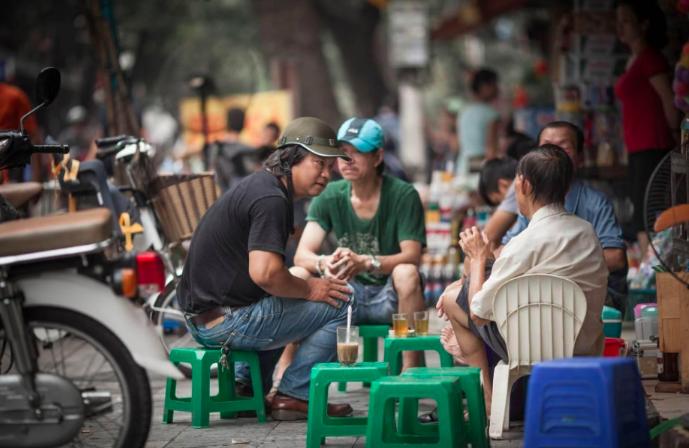
Vietnam is famous for its beautiful landscapes, delicious food, and vibrant street life. But there is another part of everyday Vietnamese life that visitors quickly notice: coffee.
From small sidewalk cafés with tiny plastic stools to modern coffee shops and traditional cafés tucked away in quiet alleys, coffee is everywhere in Vietnam. For many Vietnamese people, drinking coffee is not simply about getting caffeine. It is a daily ritual, a social activity, and a way to slow down and enjoy the moment.
If you are visiting Vietnam for the first time, understanding Vietnamese coffee culture can make your trip even more interesting. Here are 10 things tourists should know before ordering their first Vietnamese coffee.
1. Coffee Is Part of Everyday Vietnamese Life
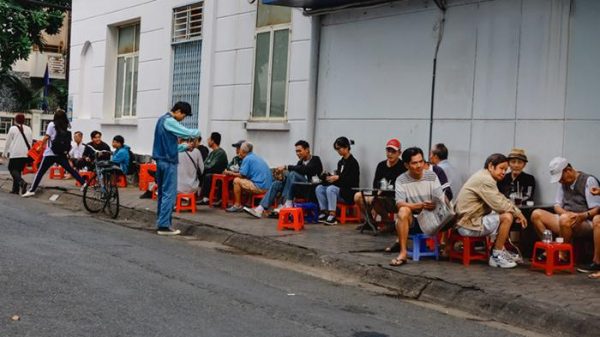
Coffee is deeply connected to everyday life in Vietnam.
Many people start their morning with a cup of coffee before going to work. Others meet friends at a café, sit and talk with colleagues, read a book, work on a laptop, or simply watch the world go by.
Unlike in some countries where coffee is mainly a quick morning drink, in Vietnam, going to a café can be an experience in itself.
You may see groups of friends spending hours together over a few drinks. You may also see people sitting alone, quietly enjoying their coffee while watching traffic and daily life around them.
This is one of the most important things to understand about Vietnamese coffee culture: coffee is as much about the experience and the people as it is about the drink.
2. Vietnamese Coffee Is Known for Its Bold Flavor
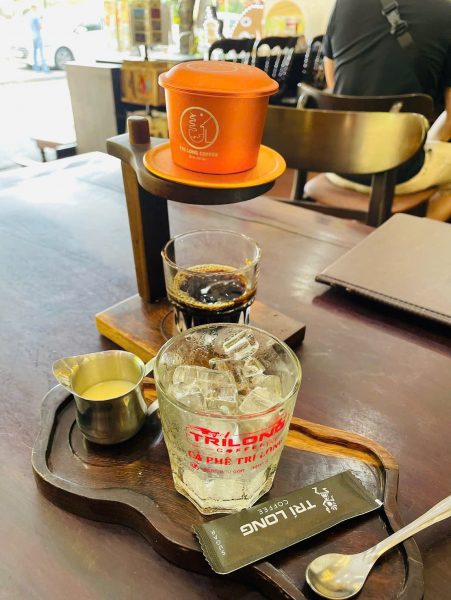
Vietnam is one of the world’s major coffee-producing countries, and Vietnamese coffee is particularly well known for its bold and intense flavor.
Vietnam has traditionally produced a large amount of Robusta coffee, a variety known for its strong body and distinctive bitterness. This makes Vietnamese coffee very different from many lighter coffees that travelers may be familiar with.
However, Vietnamese coffee is not always simply “strong coffee.”
The final flavor depends on many factors, including the type of coffee beans, roasting level, grinding, brewing method, water, and ingredients added to the drink.
This is why two cups of Vietnamese coffee can taste completely different even when they use the same basic brewing method.
3. The Phin Filter Is an Important Part of Vietnamese Coffee Culture
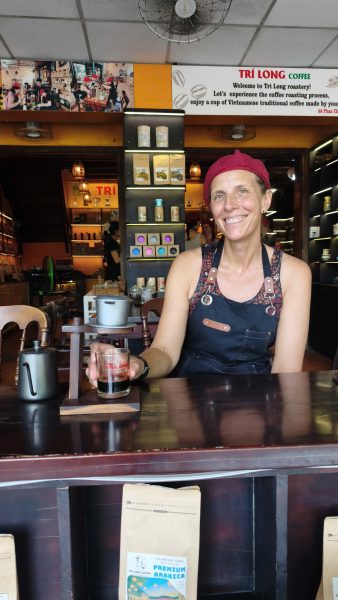
One of the most recognizable symbols of Vietnamese coffee is the phin filter.
A phin is a small metal coffee filter placed directly on top of a cup or glass. Ground coffee is added to the filter, followed by hot water. The coffee then slowly drips through the filter into the cup below.
Unlike a modern espresso machine, the phin does not require electricity or complicated equipment.
The slow brewing process is part of the charm.
Instead of receiving a cup of coffee immediately, you can watch the dark coffee slowly drip through the filter. This encourages you to slow down and enjoy the preparation process.
For many visitors, learning how to use a phin is one of the easiest ways to experience Vietnamese coffee culture firsthand.
4. Vietnamese Coffee Is More Than Just Black Coffee
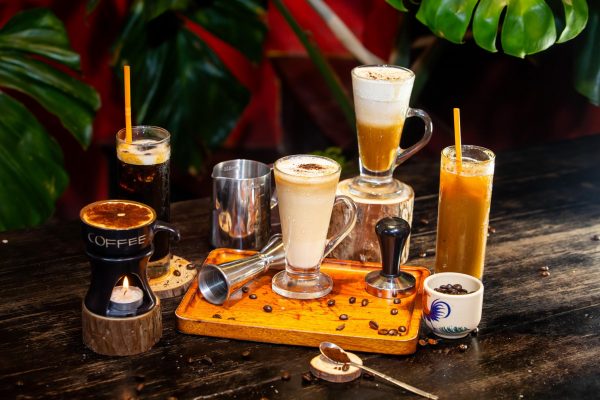
When tourists hear “Vietnamese coffee,” they often imagine a strong black coffee.
But Vietnamese coffee comes in many different styles.
One of the most famous is cà phê sữa đá, Vietnamese iced coffee with condensed milk. The combination of strong brewed coffee, sweet condensed milk, and ice creates a rich and refreshing drink.
Vietnam is also famous for creative coffee drinks such as:
- Phin coffee – traditionally brewed using a Vietnamese phin filter
- Cà phê sữa đá – Vietnamese iced coffee with condensed milk
- Egg coffee – coffee topped with a rich, creamy egg mixture
- Coconut coffee – coffee combined with creamy coconut
- Salt coffee – coffee balanced with a lightly salty cream
These drinks show how Vietnamese people have adapted coffee to local tastes and ingredients.
For tourists, trying different styles is a great way to discover the variety of Vietnamese coffee.
5. Condensed Milk Became an Important Part of Vietnamese Coffee
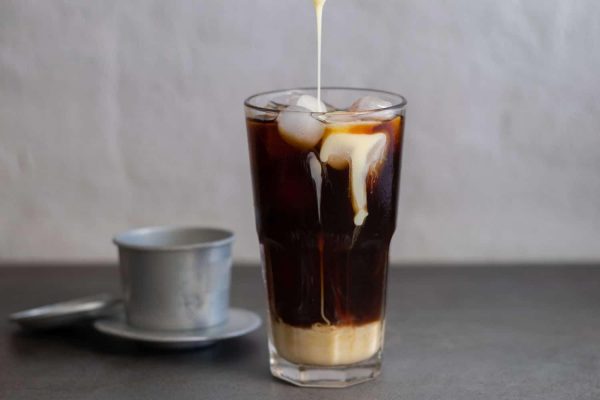
One ingredient that immediately distinguishes many Vietnamese coffee drinks is sweetened condensed milk.
Because fresh milk was historically difficult to store and transport in Vietnam, condensed milk became a practical alternative. Over time, it became an important ingredient in Vietnamese coffee.
The combination of strong coffee and sweet condensed milk creates a distinctive balance.
The bitterness of the coffee is softened by the sweetness and creamy texture of the condensed milk. When served over ice, the result is especially refreshing in Vietnam’s warm climate.
Today, cà phê sữa đá is one of the drinks that many international visitors associate with Vietnam.
If it is your first time trying Vietnamese coffee, this is an excellent place to start.
6. Vietnamese Cafés Are Social Spaces
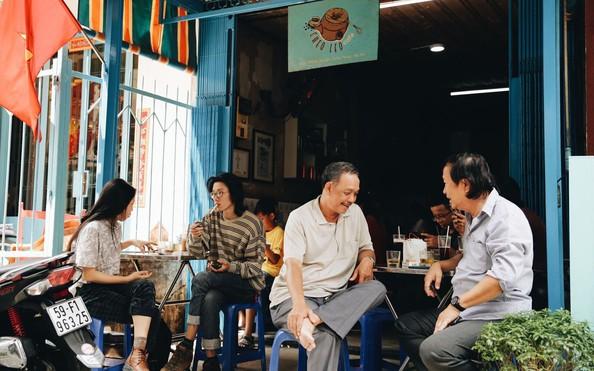
A café in Vietnam is not simply a place to buy coffee.
It can be a meeting place, a workspace, a place to relax, or somewhere to spend time with friends.
You will often find people sitting together for long conversations while their drinks slowly disappear. Others may spend an afternoon working or studying in a café.
In cities such as Hanoi, Ho Chi Minh City, and Hoi An, cafés come in many different styles.
Some are modern and minimalist. Others are hidden inside old buildings, located in narrow alleys, or set along busy streets.
There are also countless small sidewalk cafés where customers sit on low plastic stools and enjoy inexpensive drinks while watching everyday life.
This relaxed café culture is an important part of the Vietnamese lifestyle.
7. Iced Coffee Is Especially Popular in Vietnam
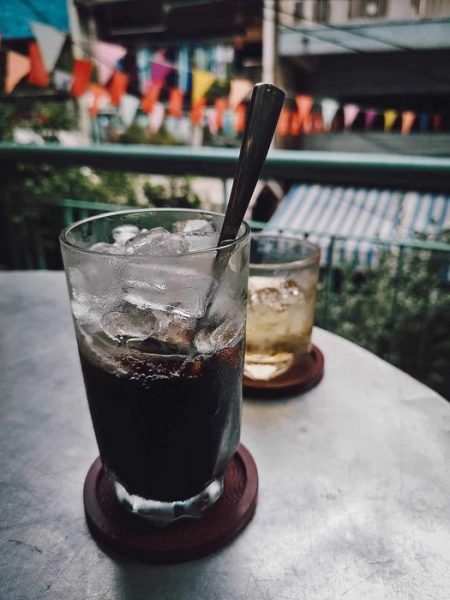
Vietnam has a tropical climate, so it is no surprise that iced coffee is extremely popular.
For many Vietnamese people, a glass of coffee with ice is a normal part of the day.
One of the most iconic examples is cà phê sữa đá.
Strong coffee is brewed, mixed with condensed milk, and then poured over ice. The result is sweet, creamy, bold, and refreshing.
For visitors arriving from countries where hot coffee is the standard, Vietnamese iced coffee can be a completely different experience.
It is particularly enjoyable when sitting at a local café and taking your time rather than drinking it quickly.
8. Street Cafés Are an Essential Part of the Experience
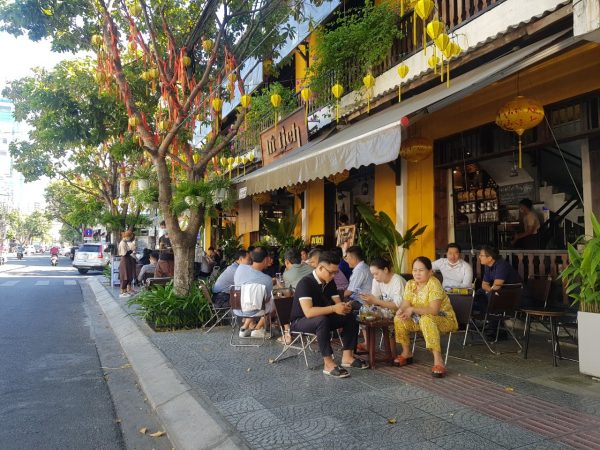
If you want to understand Vietnamese coffee culture, don’t only visit stylish cafés.
Try a small local café as well.
Some of the most authentic coffee experiences can happen in very simple places: a few plastic chairs, a small table, a coffee filter, and a busy street nearby.
These cafés may not have elaborate decorations or fancy menus, but they are closely connected to everyday Vietnamese life.
You can sit down, order a cà phê sữa đá, and simply observe what is happening around you.
In Hoi An, you can also find cafés inside old houses, along small streets, beside the river, and in quieter local neighborhoods.
The setting may change, but the idea remains the same: coffee gives people a reason to slow down and spend time together.
9. Roasting Plays a Major Role in Vietnamese Coffee
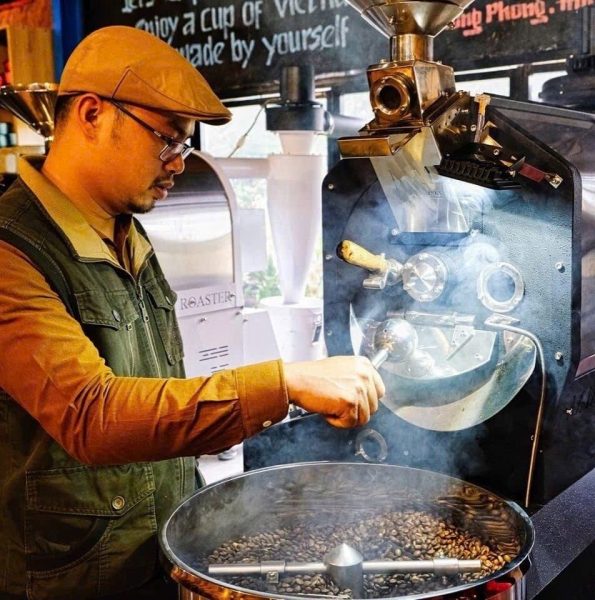
The flavor of coffee begins long before the coffee reaches your cup.
It starts with the green coffee bean.
During roasting, heat transforms the green beans into the brown beans we recognize as coffee. The roasting process affects the color, aroma, sweetness, bitterness, acidity, and overall character of the coffee.
This is why understanding coffee roasting can completely change the way you experience a cup of Vietnamese coffee.
Different beans can behave differently during roasting, and the roasting time and temperature can significantly influence the final flavor.
For travelers who are curious about Vietnamese coffee, visiting a local roastery is a great way to see this process for yourself.
Instead of simply drinking coffee, you can learn where it comes from, how the beans change during roasting, and how roasting influences the final cup.
10. The Best Way to Understand Vietnamese Coffee Is to Make It Yourself
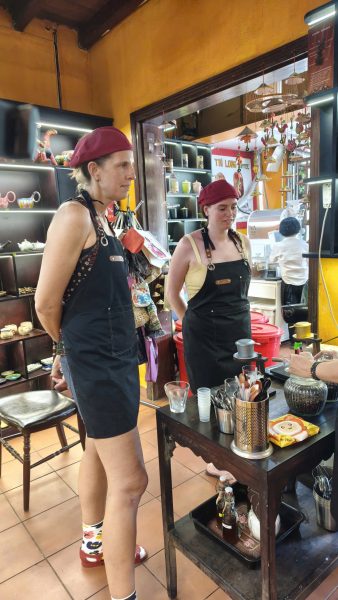
You can learn a lot about Vietnamese coffee by drinking it.
But making it yourself gives you a completely different perspective.
When you prepare coffee using a traditional phin filter, you can see how the brewing process works. When you learn about roasting, you begin to understand why different coffees have different aromas and flavors.
And when you make drinks such as egg coffee, coconut coffee, or salt coffee yourself, you discover how Vietnamese coffee combines traditional brewing methods with creative local ingredients.
This is especially interesting for travelers who want to experience more than the typical sightseeing itinerary.
Instead of simply taking a photo of a cup of Vietnamese coffee, you can learn how to make one and understand the culture behind it.
Vietnamese Coffee Culture Is About More Than Coffee
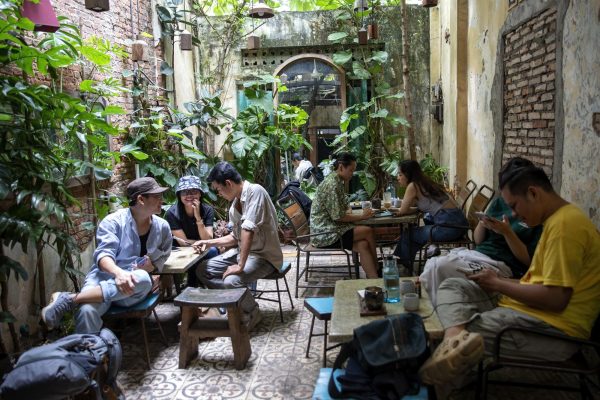
For tourists, Vietnamese coffee can initially seem like a simple drink.
But once you look closer, there is much more to discover.
It is about the phin filter, the roasting process, local coffee beans, condensed milk, iced coffee, creative recipes, street cafés, conversations, and the simple habit of taking time out of a busy day.
That is what makes Vietnamese coffee culture so special.
Whether you are sitting on a small plastic stool beside a busy street, enjoying coffee in an old Hoi An house, or learning how to brew your own cup, coffee offers a unique way to connect with everyday Vietnamese life.
Want to Experience Vietnamese Coffee Culture in Hoi An?
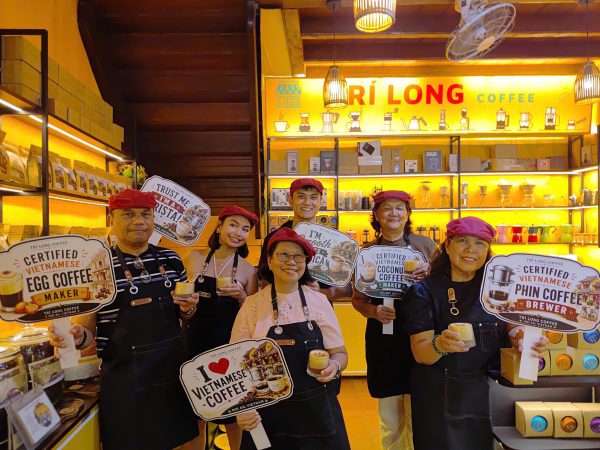
Vietnamese coffee making experience in Hoi An
If you want to go beyond simply drinking Vietnamese coffee, join a local coffee-making experience in Hoi An.
At Trí Long Roastery, you can learn about Vietnamese coffee beans and the roasting process, discover how roasting affects flavor, and make your own Vietnamese coffee using traditional methods.
You can also choose from several popular Vietnamese coffee styles, including phin coffee, coconut coffee, egg coffee, and salt coffee.
It is a hands-on way to discover Vietnamese coffee culture and take home more than just a memory—you can also learn the recipes and techniques to recreate the experience after your trip.